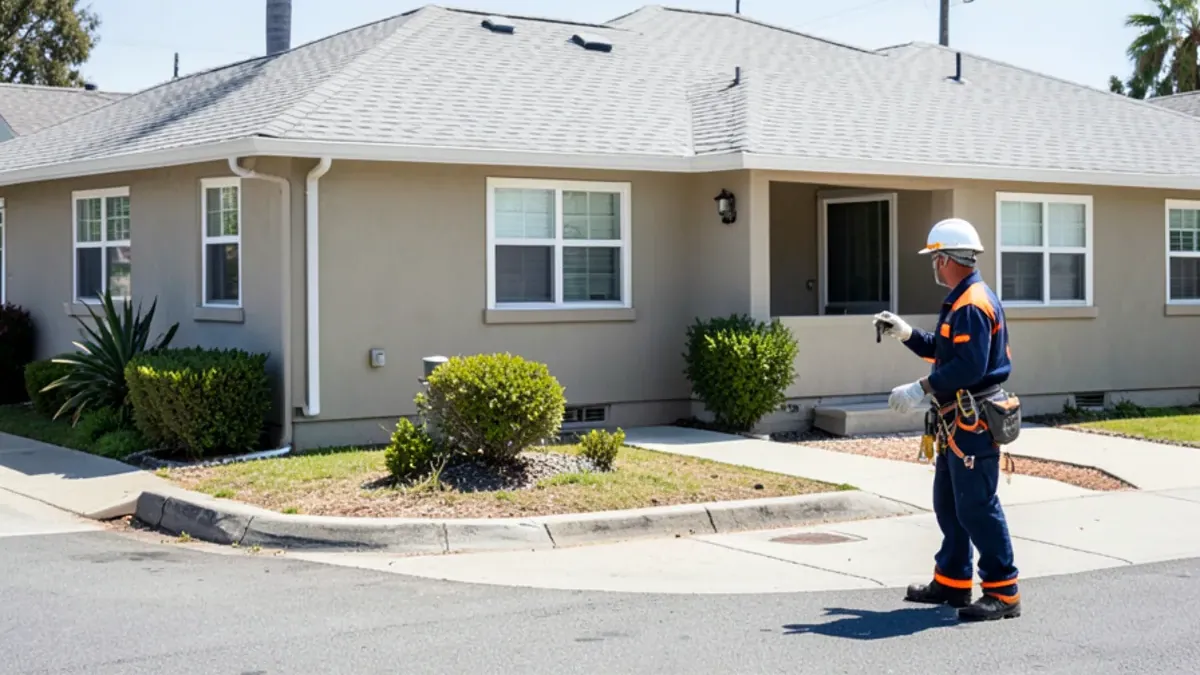
No. A cool roof is not required for a single-family reroof in Alameda. Alameda is in California Climate Zone 3, and the 2025 Energy Code lists cool roof reroof requirements for single-family homes only in other zones. A cool roof, which reflects more sunlight, is a choice here, and the local building department has the final word.
What do the 2025 Title 24 cool roof rules say?
The 2025 Energy Code (Title 24, Part 6) took effect January 1, 2026. The Cool Roof Rating Council's summary of it sets these requirements for single-family reroofs, where the covering is replaced:
| Roof type | Minimum aged solar reflectance | Minimum thermal emittance | Climate zones |
|---|---|---|---|
| Steep slope (2:12 or more) | 0.20 | 0.75 | 4 and 8 through 15 |
| Low slope | 0.63 | 0.75 | 4 and 6 through 15 |
The reroof rule applies once a large share of the roof is replaced. BayREN's guide puts the trigger at 50 percent of the roof or more, and the code text has the exact wording. Zone 3 is on neither list, so Alameda's single-family reroofs are outside both. Exceptions exist elsewhere, including roofs of at least 25 pounds per square foot, areas covered by building-integrated solar and certain insulation trade-offs.
Does Alameda's Zone 3 location settle it?
For single-family homes, yes. But check your own situation against four cases:
- A nonresidential building. The CRRC summary shows nonresidential low-slope reroofs need 0.63 reflectance and 0.75 emittance in all zones when more than 50 percent of the roof area or more than 2,000 sq ft, whichever is less, is altered. Multifamily has its own rules.
- A different address. A rental or second home in another city may sit in Zone 4 or Zone 12, and the requirement applies there.
- An addition or new construction. Different sections of the code apply, so ask the Permit Center if part of your project adds floor area.
- A local amendment. A city may add requirements beyond the state minimum, so ask Alameda's Permit Center what applies to your parcel.
Do not assume a county or a ZIP code settles your zone. BayREN's 2022 guide notes that in the Bay Area the cool roof requirement applies only in Zones 4 and 12, which include parts of Alameda, Contra Costa and Solano counties (Zone 12) and parts of Santa Clara County (Zone 4). Alameda County is not the same as the City of Alameda.
How do I confirm my climate zone?
Use the California Energy Commission's EZ Building Climate Zone Search Tool, which shows where an address falls relative to the climate zone boundaries. The CEC also publishes a list of zone assignments by ZIP code for local jurisdictions that choose to give a whole ZIP code a single zone, since some ZIP codes span more than one zone. For a house, the address lookup is the safer route. Screenshot the result and keep it with your permit paperwork.
What does a rated product look like?
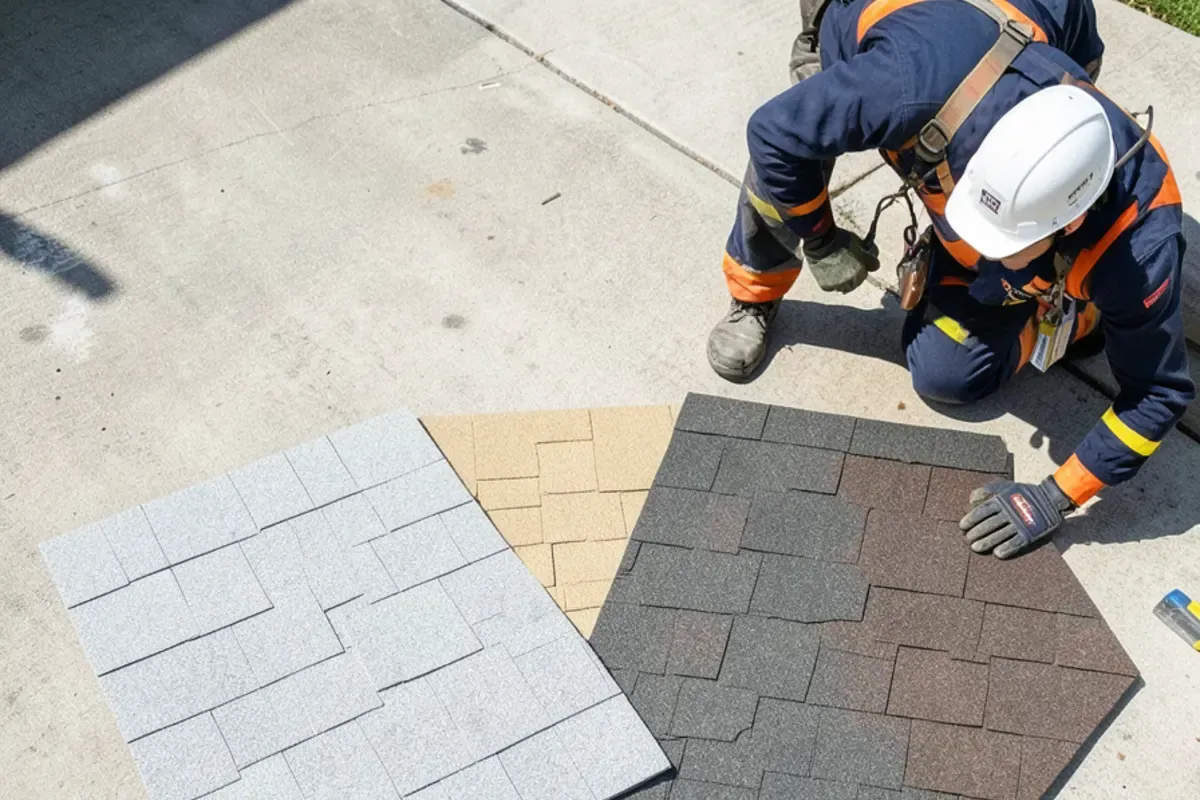
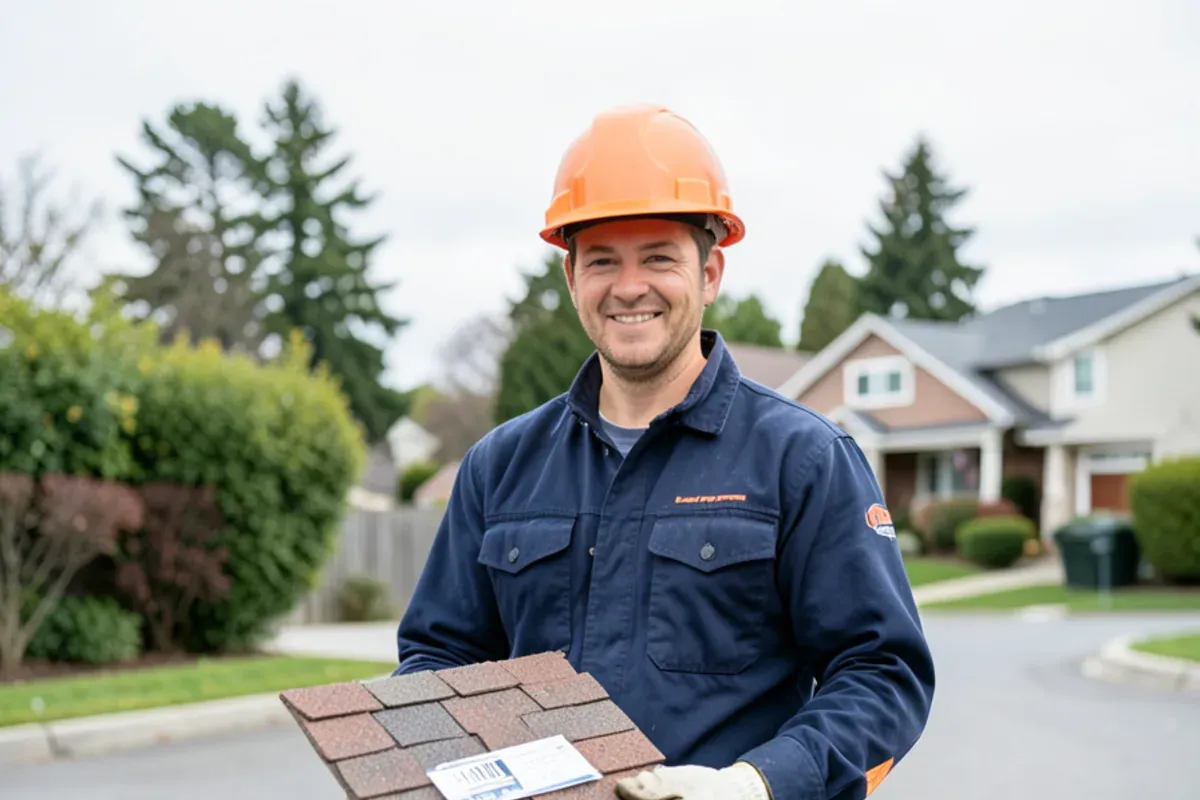
A product used to meet the code has to be rated by the Cool Roof Rating Council, with a label showing its emittance and its initial and three-year aged solar reflectance. If a roofer says a product complies, ask to see the label or the CRRC listing, not a brochure line. Products without a certified rating are assigned low default values in the code, so an unrated shingle will not meet the 0.20 steep-slope figure.
Even where it is optional, the label helps you compare. A lighter shingle reflects more heat than a charcoal one, and two shingles in the same color can have different ratings.
What do the two cool-roof numbers mean?
The code uses two measurements. Aged solar reflectance is the share of sunlight the surface bounces back after weathering, written as a decimal from 0 to 1. Thermal emittance is how well the surface releases the heat it does absorb. A shingle at 0.20 reflectance returns about a fifth of the sun's energy, and dark roofs can fall below that. Aged values matter more than new ones because dirt and algae lower reflectance over time.
You do not need to calculate anything. The label does it, which is why the Cool Roof Rating Council listing is the document to ask for.
How do I choose a roof color in Zone 3?
Treat it as a design and comfort decision with a short checklist behind it.
- Confirm your climate zone with the California Energy Commission lookup.
- Ask the Permit Center whether anything applies to your parcel, and keep the answer.
- Check the style guidance if your home is historic.
- Hold full-size samples against the siding and trim in daylight.
- Compare the CRRC rating and the fire classification on the products you like.
- Write the product name and color into the contract, not just the color family.
Item six matters because two shingles sold as light gray can carry different ratings, and a substitution at the pallet is hard to spot.
Where does roof color actually help in Alameda?
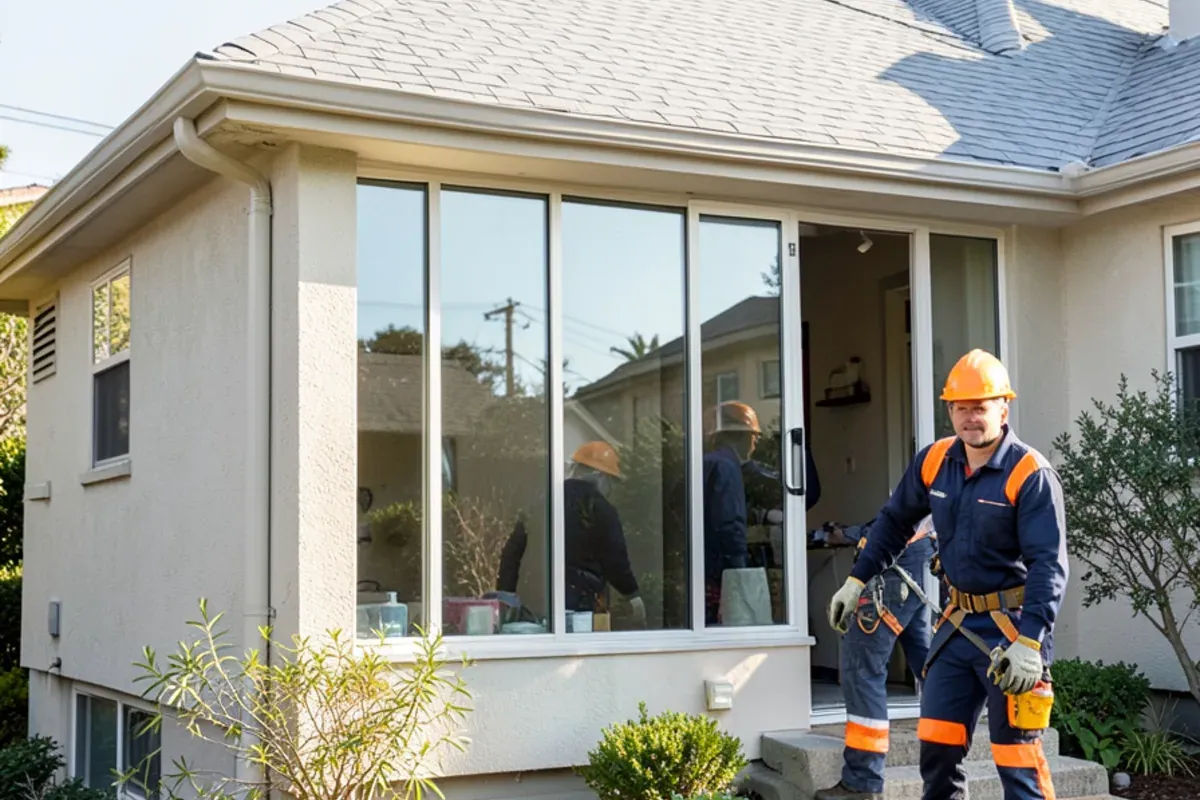
Color matters most where heat has nowhere to go. A sunroom, a flat-roofed addition with thin insulation, and a top-floor room under a low-pitch roof gain the most from a lighter surface. For a typical house with an insulated, ventilated attic, color moves the needle less than insulation and airflow. Past Alameda reviews include a customer who was advised to choose a lighter color to keep a sunroom cooler, which is the case where color pays. Our asphalt shingle roofing page shows the color and profile choices.
Is a cool roof worth choosing in Alameda anyway?
Sometimes. Alameda summers are mild, so the cooling benefit is smaller than in the hot inland valleys. A lighter roof helps most over a sunroom, an addition with little attic or a top-floor space that overheats. One Alameda customer was advised to use a lighter color to keep a sunroom cooler. On a typical attic with proper ventilation, color matters less than insulation and airflow.
Check the other rules before you choose. Historic homes can carry style guidance, and a hillside or fire zone may call for a Class A rating. A cool roof can also be Class A. Compare the product's fire listing and its CRRC rating side by side.
Are there rebates for a cool roof?
Do not count on one. Alameda Municipal Power's published residential rebate list did not include a cool roof item when we checked, and its terms say rebates are offered until approved funds are exhausted. Programs change, so ask AMP directly. We quote no amounts, and we found no confirmed Alameda cool roof incentive.
What to do next
Before choosing a roof color, confirm three things with the Permit Center: your climate zone, whether any local rule applies to your parcel and who pulls the permit, which your estimate should state. Then compare products by their CRRC rating and fire listing. Our cool roofs page covers the options, and the roof replacement overview shows what a reroof includes. To start, call or request an estimate for a roof in Alameda. Other cities we cover are on the service areas page.