
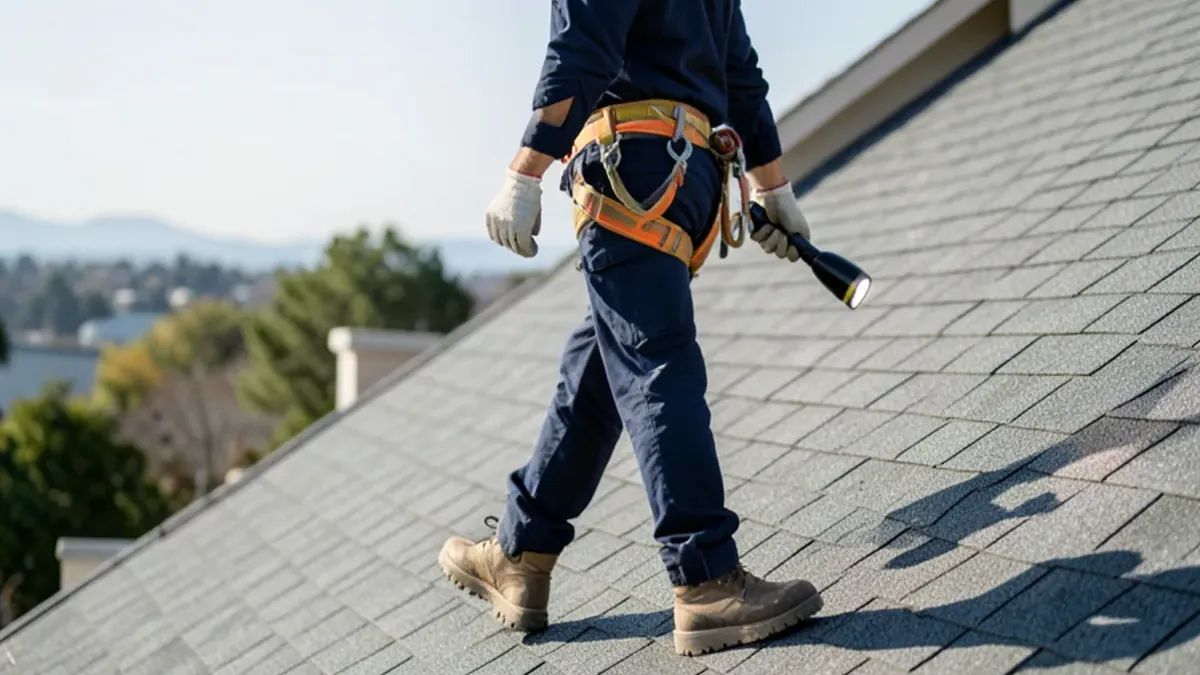
When do you need a roof inspection?
You need one when there is a reason, and several common ones apply to Alameda homeowners. No law requires a homeowner to inspect a roof on a schedule, but these situations call for it.
- Before the rainy season, in late summer or early fall, so small faults are fixed before the first storms.
- After a windstorm or a falling limb, when shingles and flashing may have lifted.
- After a leak, when you need the entry point and not just the stain.
- Before buying or selling a home, when the roof's condition affects the deal.
- When an insurer asks, or when a policy renewal depends on roof age and condition.
- When the roof is nearing the end of its life, and you want to plan a budget.
One Alameda customer's insurance was cancelled over an aging roof without an inspection, which is a reason to keep your own record.
What does a roof inspection in Alameda cover?
An inspection covers every part of the roof that can let water in, from the outside and, where reachable, from the inside.
- Surface: lifted, cracked, missing or worn shingles and granule loss
- Flashing: chimneys, walls, skylights, valleys and vent pipes
- Vents and penetrations: boots, flanges and seals
- Roof edge: drip edge, fascia and gutter connection
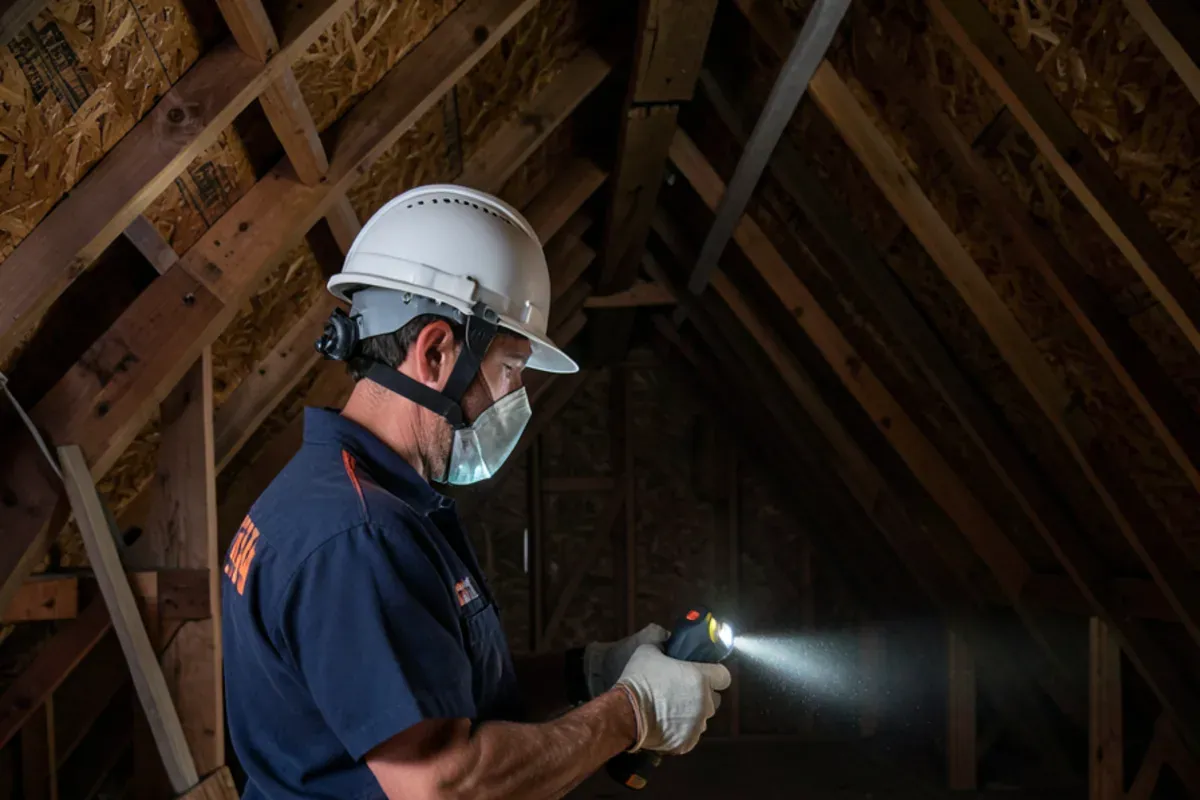
- Attic: damp insulation, stained boards, daylight and ventilation
Each finding is photographed and labeled urgent, plan-for or fine. Repair-or-replace advice follows from the pattern, and we have told customers to wait.
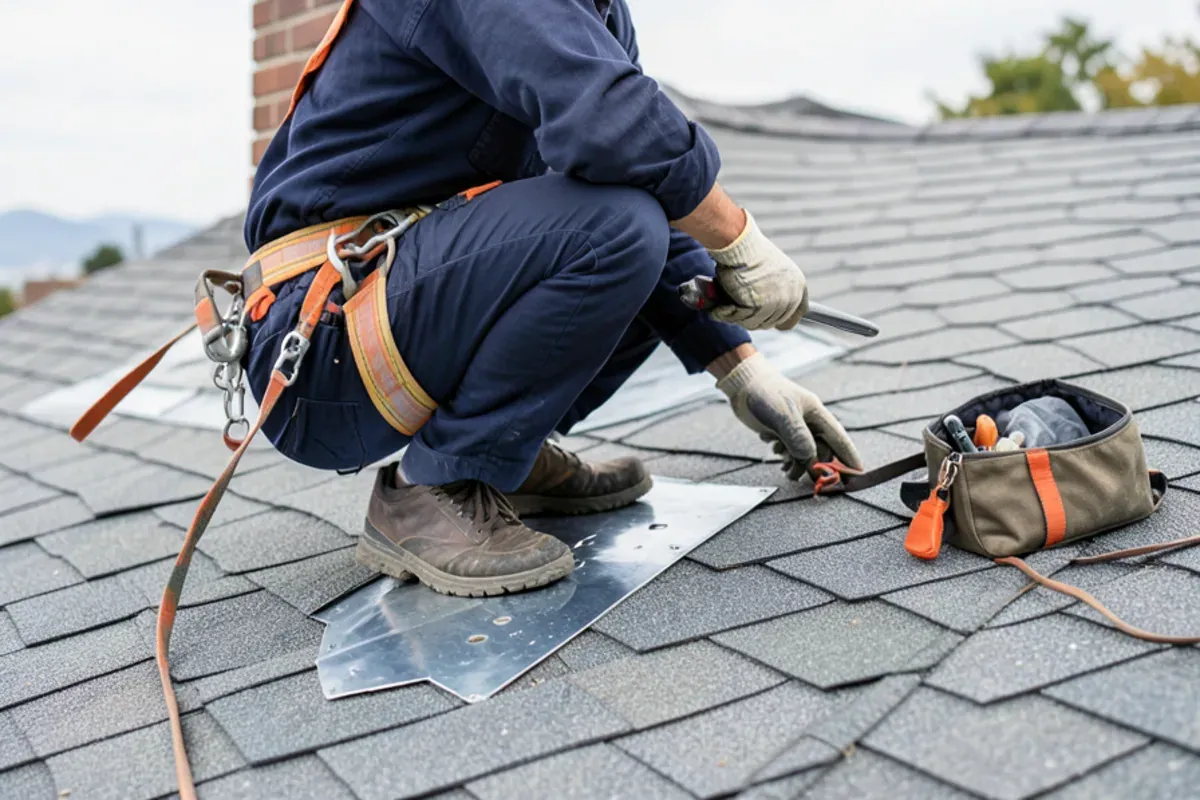
Aerial roof inspection: when photos from above do the job
Some people search for a drone roof inspection. What matters is photos taken from above, and on steep or multi-section Alameda roofs, aerial photos show valleys, chimneys and slopes you cannot see from the street. They also keep people off roofs that do not need to be walked.
Photos from above show the covering and layout, not a cracked boot or damp decking. We use them to scope the work and then confirm on the roof or in the attic. A metal roof estimate in Alameda was done from satellite images and GPS, which shows how far remote measurement can go.
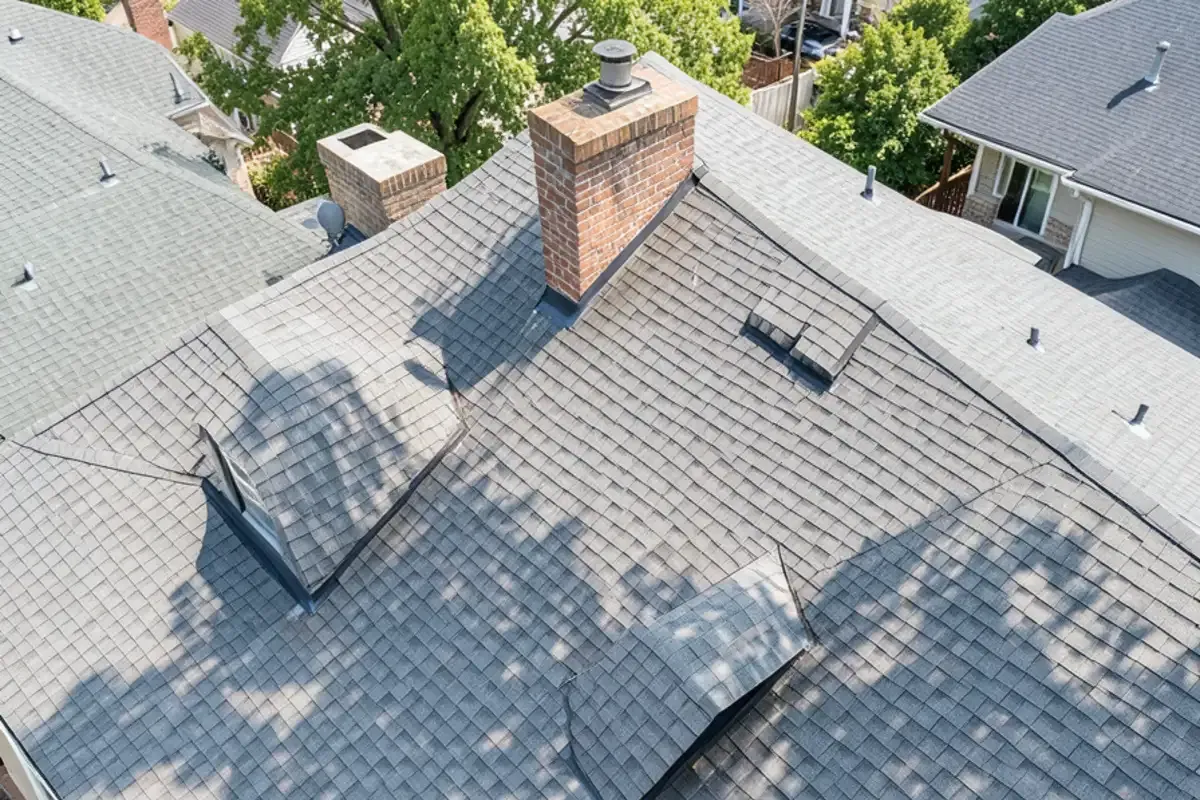
Roof leak inspection: a different kind of visit
A leak inspection traces water to its source, which is rarely above the stain. We start in the attic, follow the wet framing uphill and then check the roof surface and flashing above it. Sometimes a controlled water test settles the question.
The findings are narrower than a general inspection: the entry point, the cause and the repair. Past customers describe fast callbacks after a leak call, including a same-day visit.
Roof inspection before buying a home
For a buyer, the question is how many years the roof has left and what repairs it needs now. The answer gives you a number for your budget.
Do the inspection before the contingency period ends, and ask for photos. A roof with two layers already needs a full tear-off when it is replaced, because the building code does not allow a third. For a formal condition report used in escrow, see our roof certification page.
How fast is a roof inspection, and what do you receive?
Customers report scheduling within hours, inspections within a day and estimates by the next day. That is what past jobs looked like, not a promise.
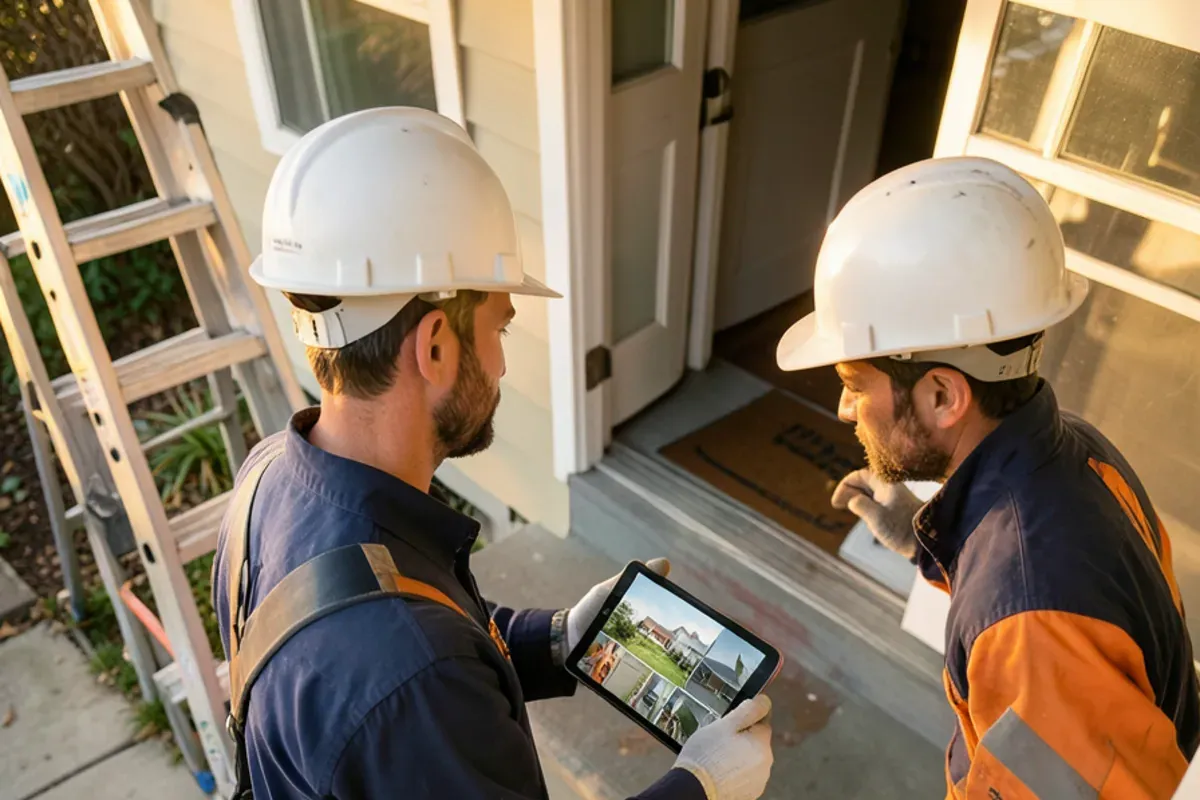
- Call and scheduling. You tell us what you have seen and when.
- Arrival. Wayne or Pedro often does the inspection.
- Roof and attic check. Surface, flashing, vents, edge and attic.
- Photos. Each finding is photographed.
- Findings. We explain them in plain English, sorted by urgency.
- Written estimate. If repair is needed, a detailed quote follows.
What happens if the inspection finds problems?
You decide what happens next. We list repairs by urgency and say which ones can wait. An active leak or lifted flashing comes first. A worn but sound roof may get a maintenance plan, which our roof maintenance page describes.
If decking is soft or rotted, the written estimate states the change. We have explained aged decking as a change order before work continued. A roof near the end of its life gets a replacement budget, and we show you the evidence so you can get a second opinion.
Permits and licensing for repairs that follow
Repairs found at an inspection can need a permit from the City of Alameda Permit Center; a third-party county guide puts the roof-work line near 200 sq ft (PermitFlow). The estimate should name who pulls it. Look up any roofer on cslb.ca.gov for the C-39 classification, and check that the status reads active. An inspection itself needs no permit, because nothing on the roof changes. The report becomes the record that the repair or reroof is measured against, so keep it with the permit card once work begins. If the findings lead to a reroof of more than half the roof area, ask whether your climate zone triggers cool-roof rules; Alameda, in Zone 3, generally does not for single-family homes.
Who pays for a roof inspection, and for repairs?
Past customers describe free inspections and free estimates, so ask whether yours is free when you book. Repairs are paid by the homeowner, unless an insurance claim covers sudden damage. Wear and tear is usually excluded from a policy, so read yours.
If the damage comes from a storm or fallen limb, we document it and can meet the adjuster on site. Only you, your insurer or a licensed public adjuster negotiates the claim in California. In a sale, who pays for repairs is negotiated between buyer and seller. The written estimate, not any range you read online, sets the price.
Annual roof inspection across the East Bay
We reach Oakland in roughly 12 minutes from Webster St, Berkeley in about 18, San Leandro in about 24 and Hayward in about 31, subject to bridge traffic.
These city pages describe how we cover each place: Oakland, Berkeley, San Leandro and Hayward.