
What risks and obligations come with a historic Alameda roof?
The biggest risks on an older Alameda house are structural and procedural. The structure may have decking you cannot judge until the roof is stripped. The procedure may involve the city.
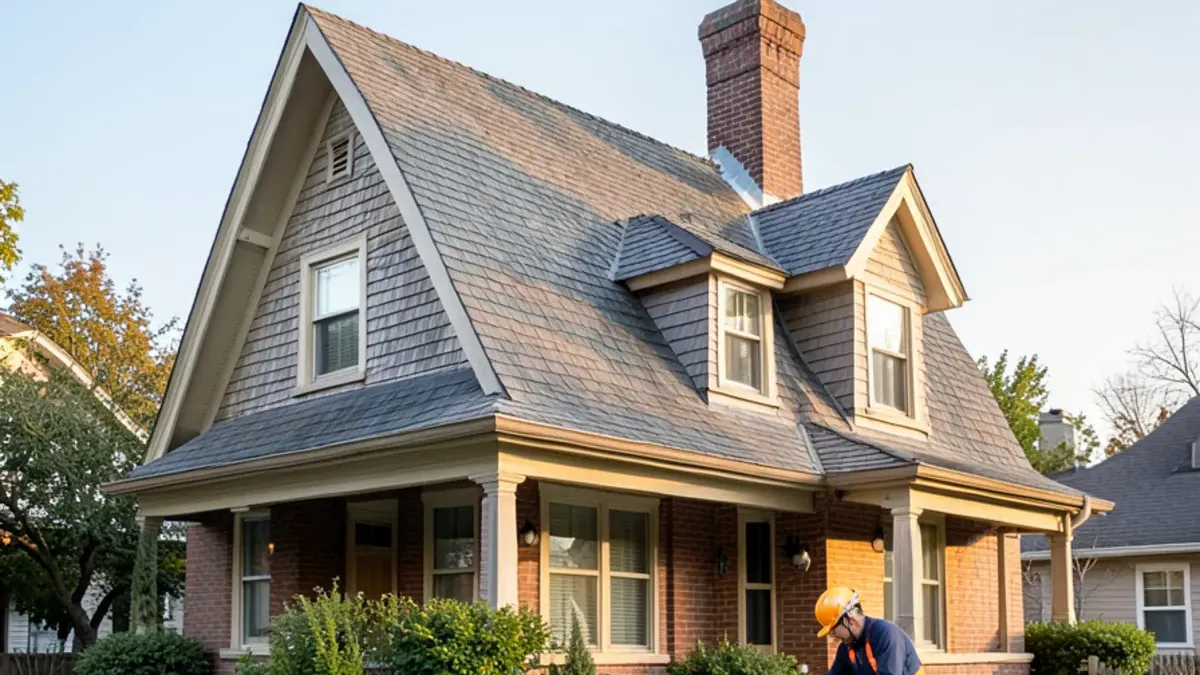
Point2Homes counts 10,315 Alameda homes built in 1939 or earlier, 31.9% of the city. Victorians and Craftsman houses from that era often have steep pitches, multiple roof planes, dormers, chimneys and old plank decking with a history of patches and layered coverings. Two layers already on the roof means a full tear-off, since the building code does not allow a third.
On the obligation side, the City of Alameda Permit Center says most construction work needs a permit, and work that changes a building's exterior may also need Planning design review. Ask before you change the look of a historic home, and confirm who pulls the permit. If the house is a listed historic resource, the City's Historical Advisory Board can issue a Certificate of Approval under the Historic Preservation Ordinance (AMC 13-21), and that certificate only lets you apply for the building permit. Check any roofer's C-39 classification at cslb.ca.gov before you sign. A like-for-like reroof is usually handled as an Express building permit; changing material, color or the roofline is where design review comes in.
What materials suit a Victorian or Craftsman roof?
Your options are not the same on every house. The roof structure, the budget and the city's view of appearance all narrow the list.
- Composition shingle in a heavier profile: The lowest-cost path to a traditional look.
- Wood shake: The original look on many Craftsman homes, with more upkeep.
- Slate or tile: Durable and expensive, and the framing has to carry the weight.
- Metal in a period profile: Long-lived, with a different appearance to settle with the city.
We lay out two or three realistic options. Alameda sits in Climate Zone 3, where a cool roof is optional on a single-family reroof.
What records should you gather before the estimate?
Gather what the roof's history can tell us. It shortens the inspection and lowers the chance of surprises.
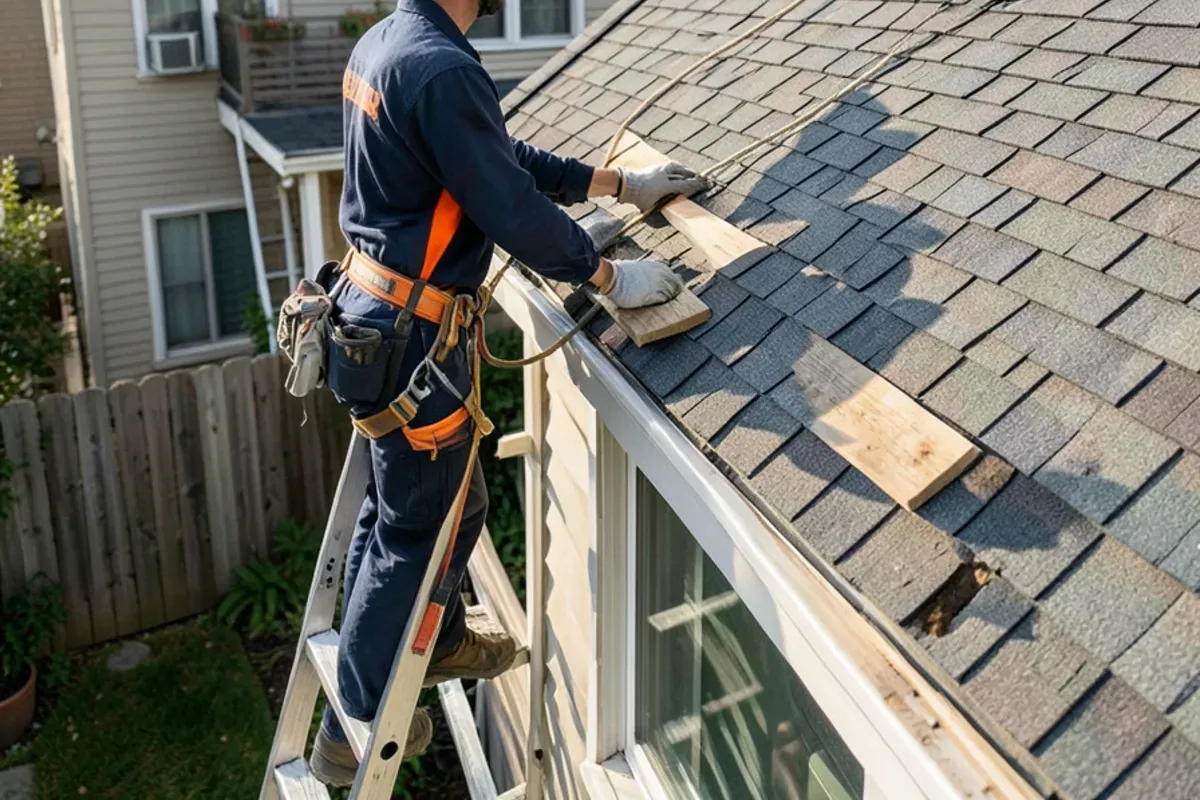
- Photos of the existing roof from every side, including chimneys and dormers
- Past permits, invoices or warranty papers for earlier roofing
- The age of the roof, if you know it, and how many layers
Keep a dated photo set before work begins. If decking turns up soft, or an insurer asks about condition, you will have a record.
What is included in a historic roof scope?
A historic roof scope is longer than a standard one because the details cost more to get right.
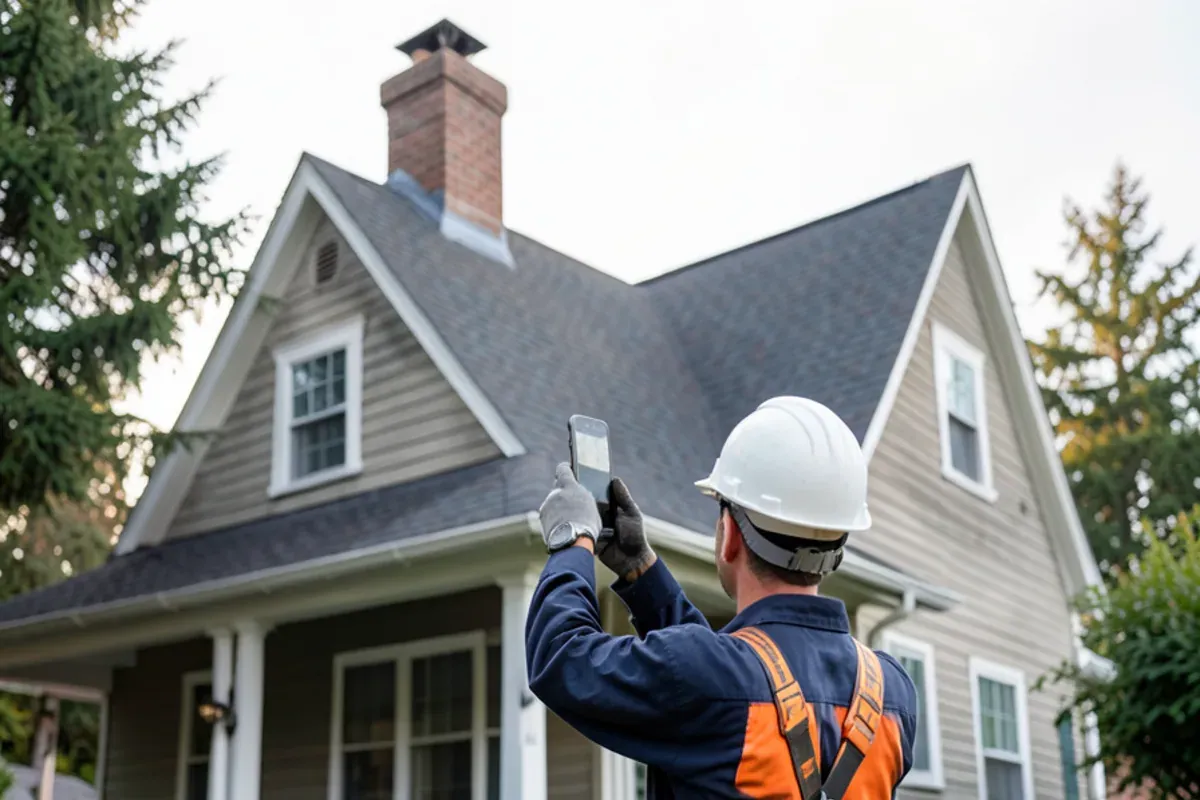
- Tear-off of the existing covering and underlayment down to the decking
- Decking inspection and replacement of boards that cannot hold fasteners
- New underlayment, drip edge and covering in the chosen material
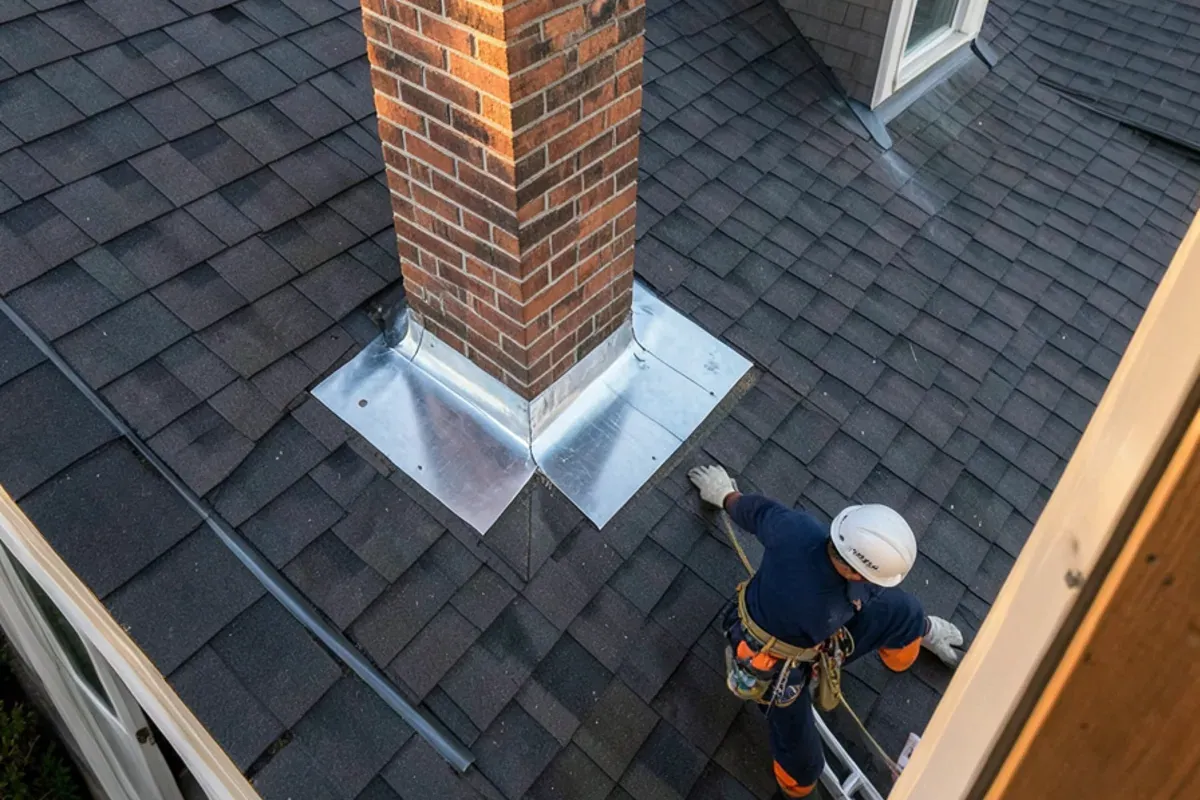
- Flashing at chimneys, dormers, walls and valleys, rebuilt instead of recaulked
- Gutter and trim faults noted on the way and fixed with the roof where the scope allows
- Cleanup and a final walkthrough by a site supervisor
If an old roof turns out to have a rotted section, we say what it costs and wait for your decision.
Can old decking be repaired instead of replaced?
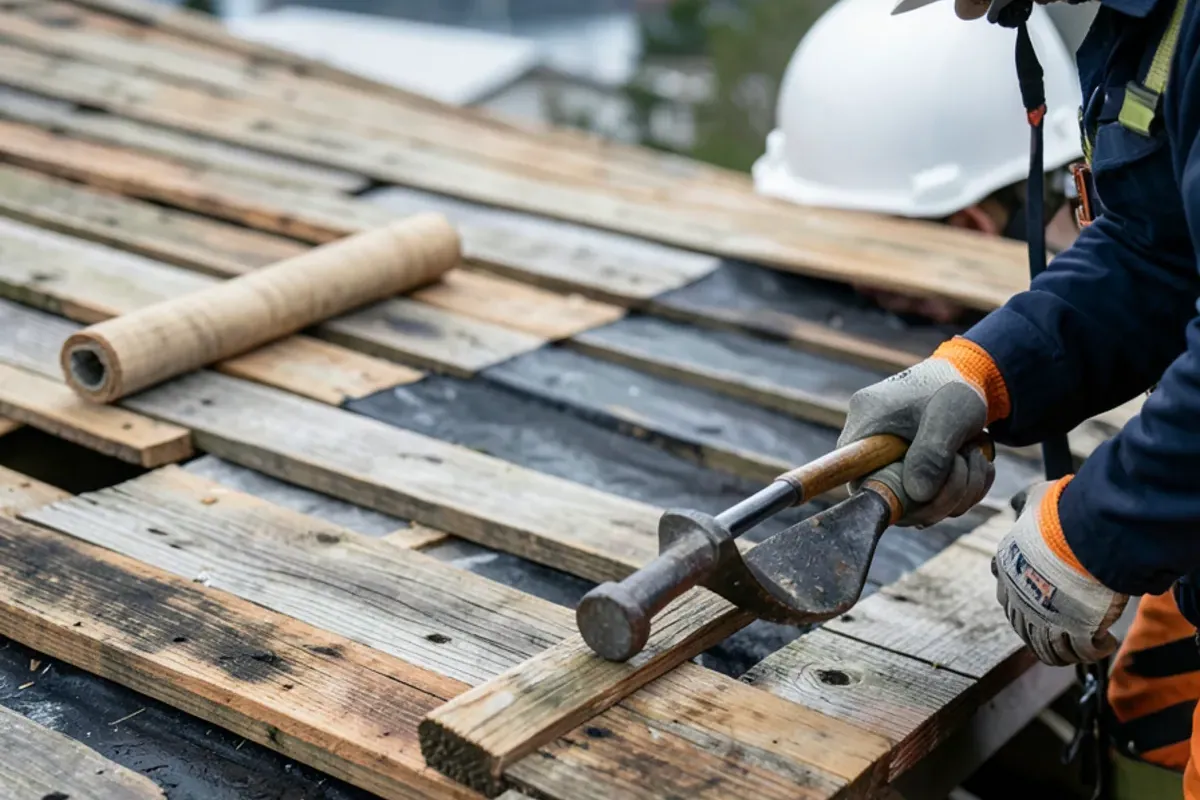
Often it can be repaired in sections. Old plank decking is tougher than modern sheathing in places, and sound boards can stay. Rotted or split boards are cut out and replaced, and gaps between boards get checked before the underlayment goes on.
You cannot know the answer until the covering is off. That is why the written estimate states a rule for decking and why we explain any change order before work continues. It happened on an Alameda job where aged decking was found at tear-off.
How are steep and three-story roofs scheduled and staged?
Scheduling starts with access. Narrow Alameda lots leave little room for a dumpster, ladders and staging, so we decide where each goes before the date. Aerial photos have been used to scope steep and multi-section roofs, so the first visit is not wasted on slopes that cannot safely be walked.
- Estimate visit, with aerial photos if the roof is steep.
- Material choice and, if needed, a call to the Permit Center.
- Permit and order, with the estimate naming who pulls it.
- Staging set up and neighbors told.
- Tear-off and decking work, finished in dry weather.
- Covering, flashing and cleanup, with photos sent the same day.
Alameda's rain falls almost entirely between October and April (BestPlaces), so book for the dry months where you can. A steep roof takes longer than a single-story one of the same footprint.
What does a historic roof cost?
The price rises with pitch, stories, staging, decking repairs and the material you choose. A 2026 Alameda pricing guide puts a full roof at $8,500 to $35,000 or more, and steep or complex older roofs sit toward the high end of any range. That is a published range and not our quote. Only the written estimate fixes the price.
One older Alameda roof with an unusual steep shape was planned around the owner's budget. Tell us your limit at the first visit, and read the neighboring residential roofing page for how a standard reroof runs.
Older roofs across Oakland and the East Bay
We reach Oakland in roughly 12 minutes from Webster St, Berkeley in about 18 and San Leandro in about 24. Bridge routes can lengthen those. Coverage is described on the Oakland, Berkeley and San Leandro pages.