
Is a tear-off or an overlay the right choice?
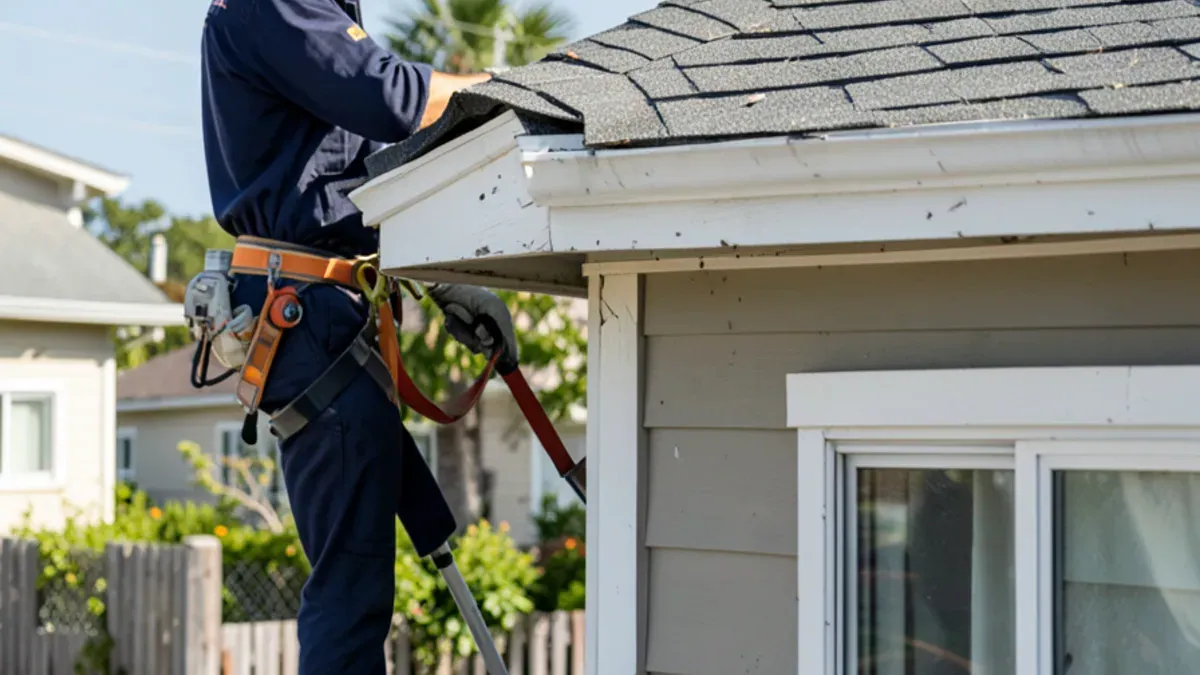
A tear-off is the right choice for most roofs, and an overlay is allowed only when there is a single layer of covering and the deck, flashing and code all permit it. California stops the overlay option at two layers.
California Building Code reroofing rules, found in Chapter 15 (Section 1512 in the 2022 edition, per Livermore's published handout), say a new roof covering may not be installed over a roof that already has two or more applications of covering. Section numbers differ by code edition, so confirm with your local building department. Local handouts apply the two-layer limit the same way: three layers is never an option, and a two-layer roof means tear-off.
| Tear-off | Overlay | |
|---|---|---|
| Existing layers allowed | Any number | One only |
| Deck inspected | Yes | No |
| Flashing and drip edge replaced | Yes | Often reused or covered |
| Up-front cost | Higher | Lower |
| Next reroof | Starts clean | Removes two layers |
| Hidden problems | Found early | Stay hidden |
What does an overlay hide?
The deck. Once the second layer goes down, nobody sees the sheathing, the old flashing or the nail pattern below. Rot, moisture and soft spots stay in place until the leak shows.
An overlay also covers up shingle problems that a tear-off exposes. Old layers add weight and trap heat, and uneven surfaces telegraph through the new shingles. Edge metal and flashings are often left in place rather than replaced, and those are the parts that most often fail first.
When does a tear-off pay off?
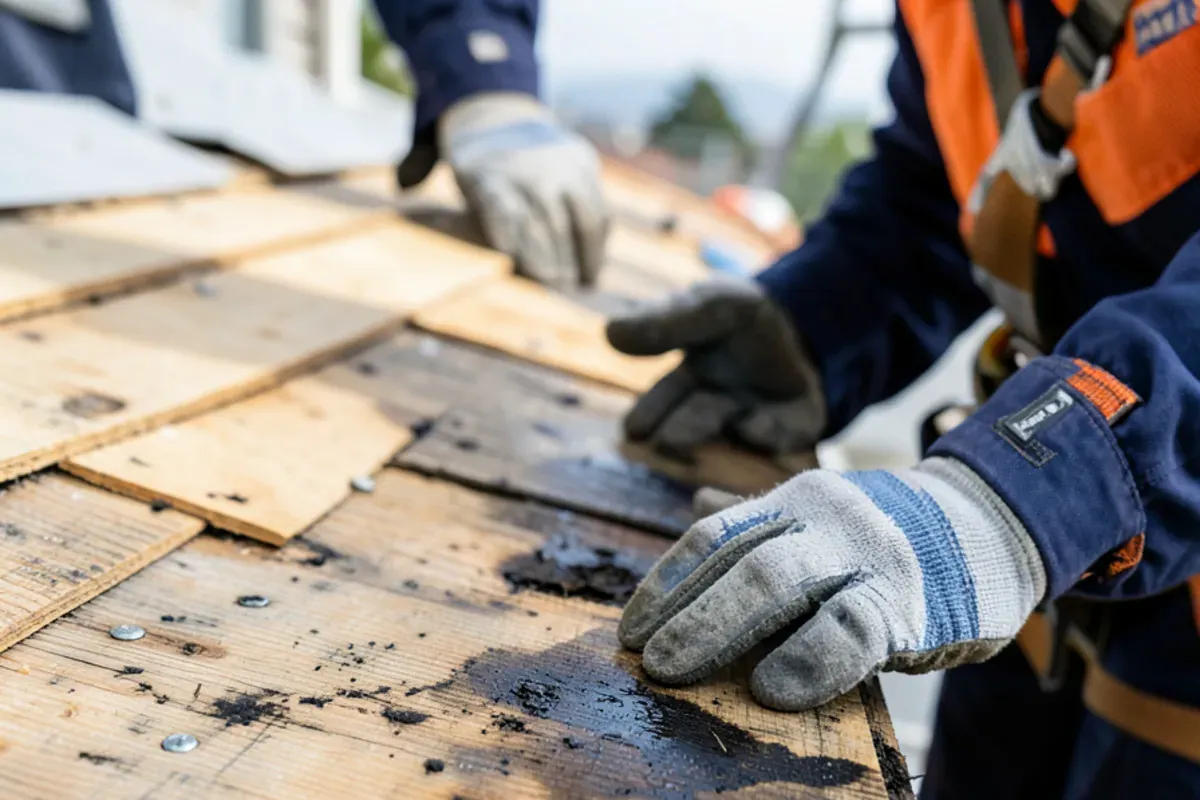
A tear-off pays off whenever leaks, age or doubt about the deck are involved. It pays off most when:
- The roof is already leaking or has been repaired repeatedly
- The existing shingles are curled, cracked or granule-bare
- There are two layers already
- The deck feels soft or has stains in the attic
- You plan to stay in the home or to sell with a clean inspection
- Skylights, vents or flashing are being replaced at the same time
Tearing off is not a luxury. It is the only way to inspect and fix the roof's structure, and it resets the clock on a new roof.
What do tear-offs find in Alameda?
Older houses reveal their history at tear-off. About 31.9% of Alameda homes were built in 1939 or earlier (Point2Homes), and many carry earlier layers and plank or aged sheathing. On one Alameda job, aged decking turned up during tear-off, and a change order was written and explained before work continued. On another, a previous crew had left only underlayment and a leak, and the roof was finished in a couple of days. In both cases the problem sat below the surface.
That is the point of tearing off: you pay a known price for the work, and you also see the condition of the deck and flashing before it is hidden. A good estimate states how deck repairs are priced if they turn up. Ask for the per-sheet rate in writing, not a verbal "we will see."
When is an overlay a defensible choice?
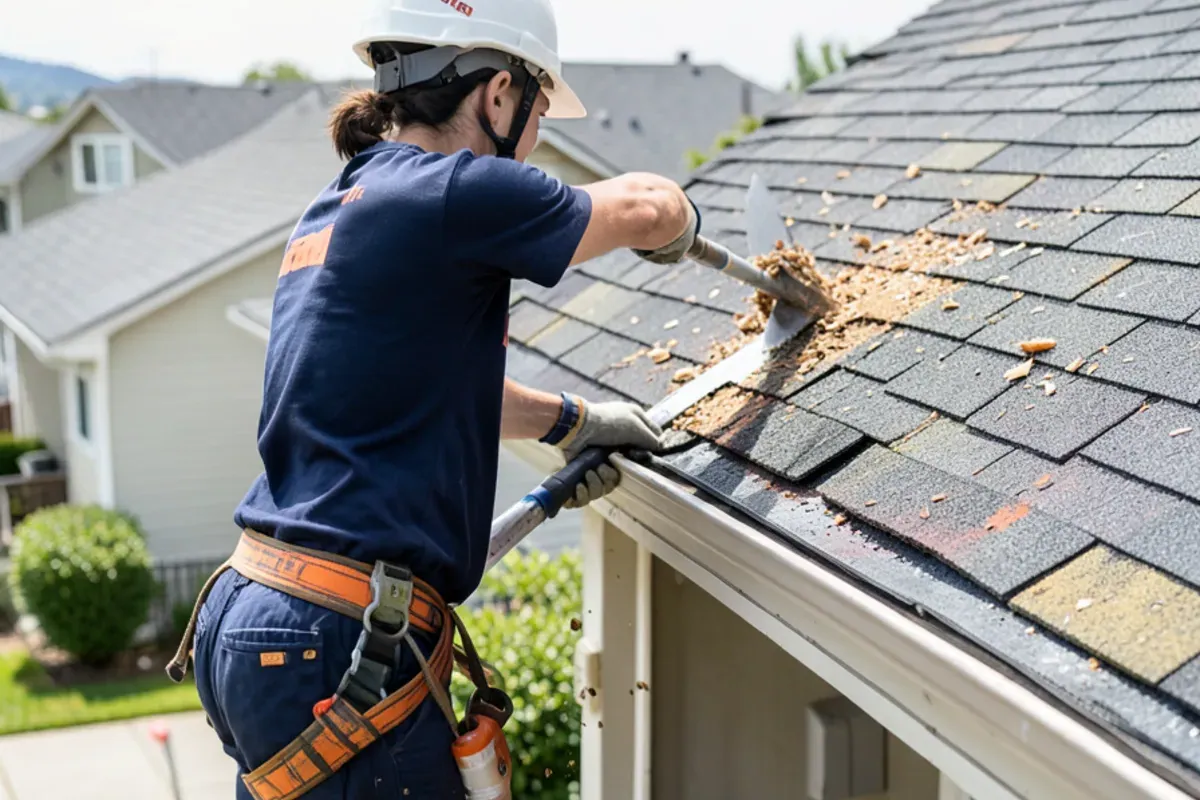
An overlay is defensible in a narrow case, and a straight answer helps here. The roof has exactly one layer, the shingles are flat with plenty of granules, the attic shows no stains, the deck feels solid and the flashing is in good order. It also helps if you plan a short stay and want to avoid the labor of removal.
Even then, the trade-offs are real. You lose the chance to see the deck, the next owner pays to remove two layers, and some shingle manufacturers limit warranty coverage when shingles go over an existing layer. Read the warranty terms before you accept an overlay bid, and get its answer in writing.
| Condition | Better choice |
|---|---|
| One layer, flat, intact, dry attic | Overlay is possible, tear-off is safer |
| One layer, curling or granule-bare | Tear-off |
| Two layers | Tear-off, required |
| Leaks or repeat repairs | Tear-off |
| Skylights, vents or flashing being replaced | Tear-off |
| Selling soon and the buyer's inspector will look | Tear-off often reads cleaner |
How do you count the layers on your own roof?
Look at the edges, not the middle. Layers show most clearly where the shingles stop.
- Stand back from the eave with binoculars and look at the thickness of the shingle edge along the bottom row
- Check the rake edge on the gable end, where an extra course shows as a double line
- Ask a roofer to photograph a cut edge at a vent or chimney, where layers are exposed
- Compare what the bid says with the photo, and get the number of layers written on the estimate
Do not climb onto the roof to check.
What drives the cost difference?
Variables, not figures. A tear-off adds labor to strip the old covering, haul it away and pay for disposal. An overlay skips that labor, but any deck repair found later, or a second tear-off at the next reroof, comes back as cost. Size, pitch, layers, access and deck condition decide the total.
The better comparison is across the life of two roofs. Pricing the overlay now and a double-layer removal later, against one clean tear-off now, tells you more than the two bids side by side. Your written estimate is the figure that counts, so ask for both options itemized on the same roof.
What should an overlay bid spell out?
If a roofer offers an overlay on a single-layer roof, the bid should answer these points in writing:
- How many layers are on the roof now, and how was that confirmed?
- Which flashings, vents and drip edge are replaced, and which are covered over?
- How will a soft or damaged spot in the deck be found and fixed?
- What does the shingle manufacturer's warranty say about installation over an existing layer?
- Who pulls the permit, and will the inspector see the old layer?
Count the layers yourself at the eave, where a stacked edge shows. A roofer who cannot tell you how many layers exist has not looked closely enough.
How does a tear-off day go?
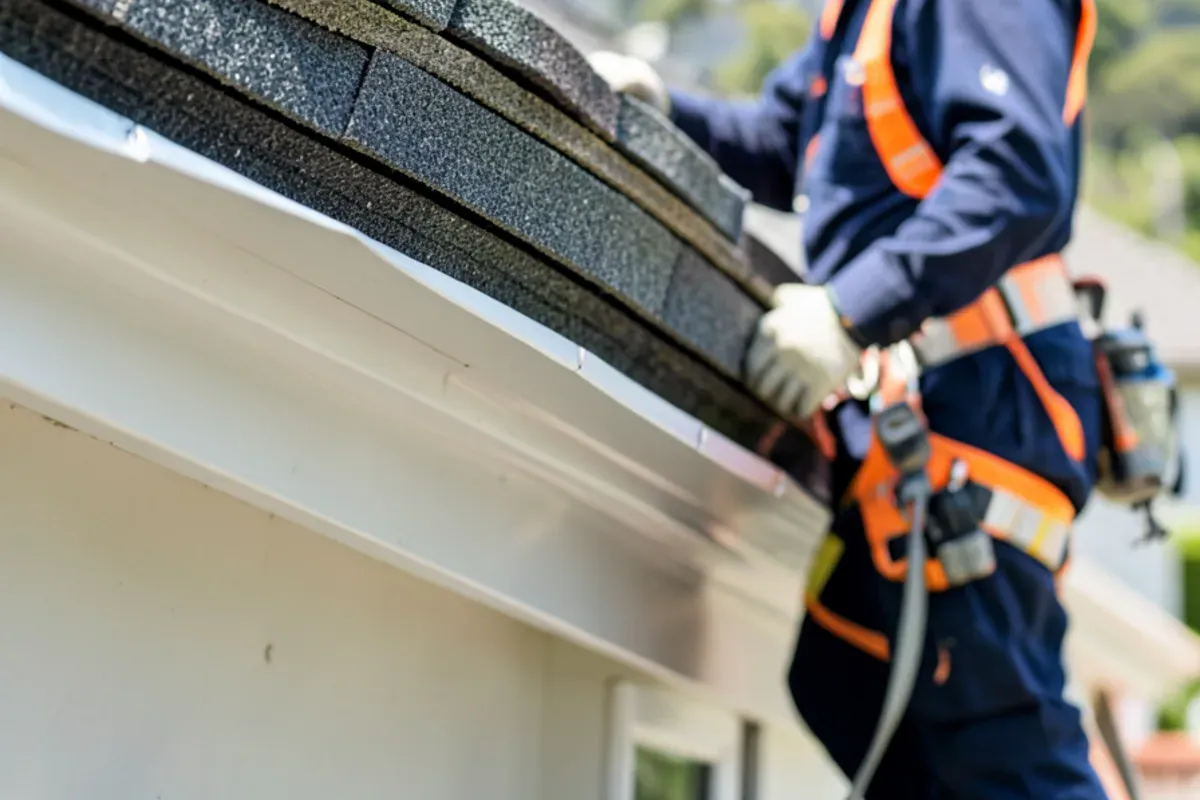
The old covering comes off down to the deck, and the crew checks the boards before anything new goes on. Damaged sheathing is replaced, then underlayment, drip edge and flashing go down, and the new shingles follow. Debris is removed and the yard cleaned. Reroofs on several Alameda homes have been finished in one day, about 10 hours on one, and a couple of days on others, depending on size and deck condition.
What do permits and insurance have to do with it?
Roof work over about 200 square feet generally needs a permit, according to a third-party Alameda County guide, and the City of Alameda Permit Center handles it on the city side. Confirm with the Permit Center rather than assuming. The estimate states who pulls the permit, and the CSLB roofing guide warns that if the contract does not specify it, you may be legally responsible for a missing permit.
Insurance can push the choice too. One Alameda customer reroofed after their insurer cancelled coverage over an aging roof without inspecting it, and another reroofed partly to save on homeowners insurance. Ask your insurer what it wants to see.
The roof replacement overview walks through options and process. If you are weighing one layer against a clean tear-off, call us or ask for a free estimate and we will price both on the same roof so you can compare them side by side in Alameda or the East Bay. See everything we do on the home page.