
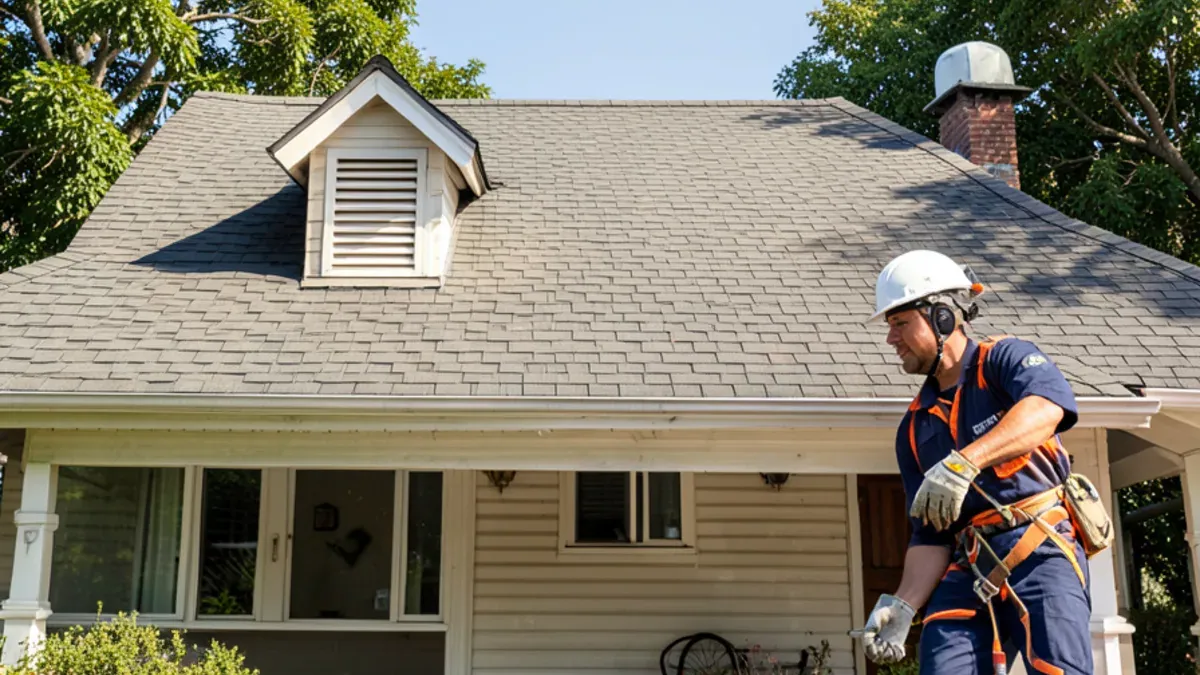
What are the signs of attic ventilation problems?
Attic ventilation problems show up as a hot attic, damp sheathing, curling shingles and condensation in winter. The cause is almost always one of two things: intake air is blocked at the soffits, or there is not enough exhaust at the ridge. When air cannot move through the attic, heat and moisture stay in it and age both the roof and the framing.
Older Bay Area houses are prone to this because their attics were built before modern venting, then insulated later. Insulation pushed into the eaves can seal off the soffit vents completely.
Why are older homes more likely to have attic ventilation problems?
Three things combine. Original attics used small gable vents or none. Later owners added insulation and sometimes new ceilings, which buried the intake paths. And roof replacements over the decades covered or removed vents without adding new ones.
Alameda has many older houses, and their attics often carry a history of additions and patches. The city sits in California Climate Zone 3, with cool, damp winters, so winter condensation is as real a risk here as summer heat.
What does the code say about vent area?
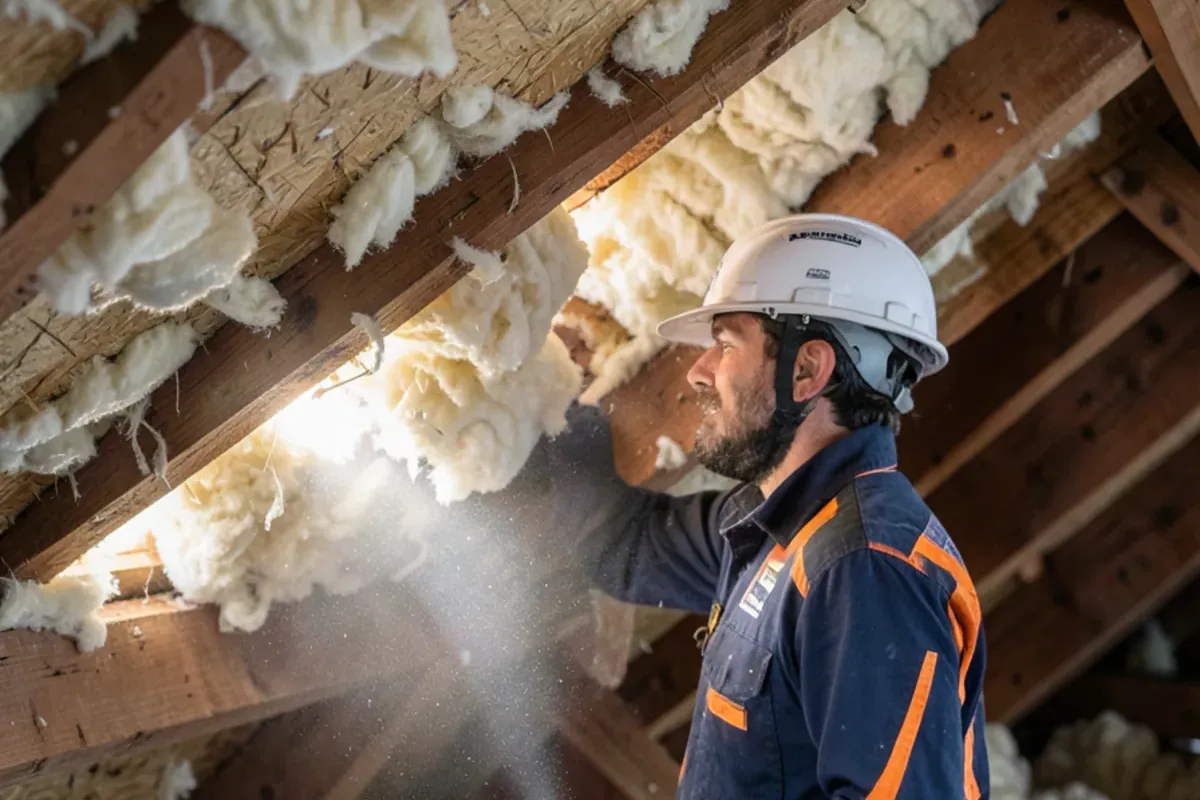
The California Residential Code sets the base rule for attic ventilation at one square foot of net free vent area for every 150 square feet of vented attic space, with exceptions that cut that to 1/300 under specific conditions, including the balance of upper and lower vents. Net free area means the open space after the screen and louvers, not the size of the vent. Because exceptions depend on the climate zone and how the attic is built, ask the building department which applies to your house.
As an example of the arithmetic, a 1,000 square foot attic needs about 6.7 square feet of net free vent area at the 1/150 ratio, roughly 960 square inches, shared between intake and exhaust. A decorative gable louver with a small opening behind the screen may supply only a fraction of that, which is why many older attics fall short on paper.
Vent placement matters as much as area. Intake belongs low at the soffits, exhaust high at the ridge. Air moves from one to the other, sweeping the underside of the sheathing.
What are the common vent types?
| Vent type | Position | Notes |
|---|---|---|
| Soffit vent | Low, under the eave | Intake; needs clear path past insulation |
| Ridge vent | Along the peak | Continuous exhaust |
| Gable vent | End wall, high | Works with wind, can short-circuit with ridge vents |
| Box or roof vent | Near the ridge | Spot exhaust; need enough of them |
| Turbine vent | Roof | Wind-driven, moving parts |
Do not mix ridge vents with gable vents or powered fans without a plan. Competing exhaust points can pull air in through the wrong openings.
If you live in a state-designated wildfire hazard area, vents must resist embers. The UC ANR Fire Network explains the mesh and tested-vent options, and the details change by code cycle, so check with your building department before you swap vents.
How do you fix a poorly ventilated attic?
Work from the bottom up:
- Clear the soffits. Pull insulation back from the eaves and install baffles so airflow can pass above it.
- Open the intake. Replace painted-over or blocked soffit vents.
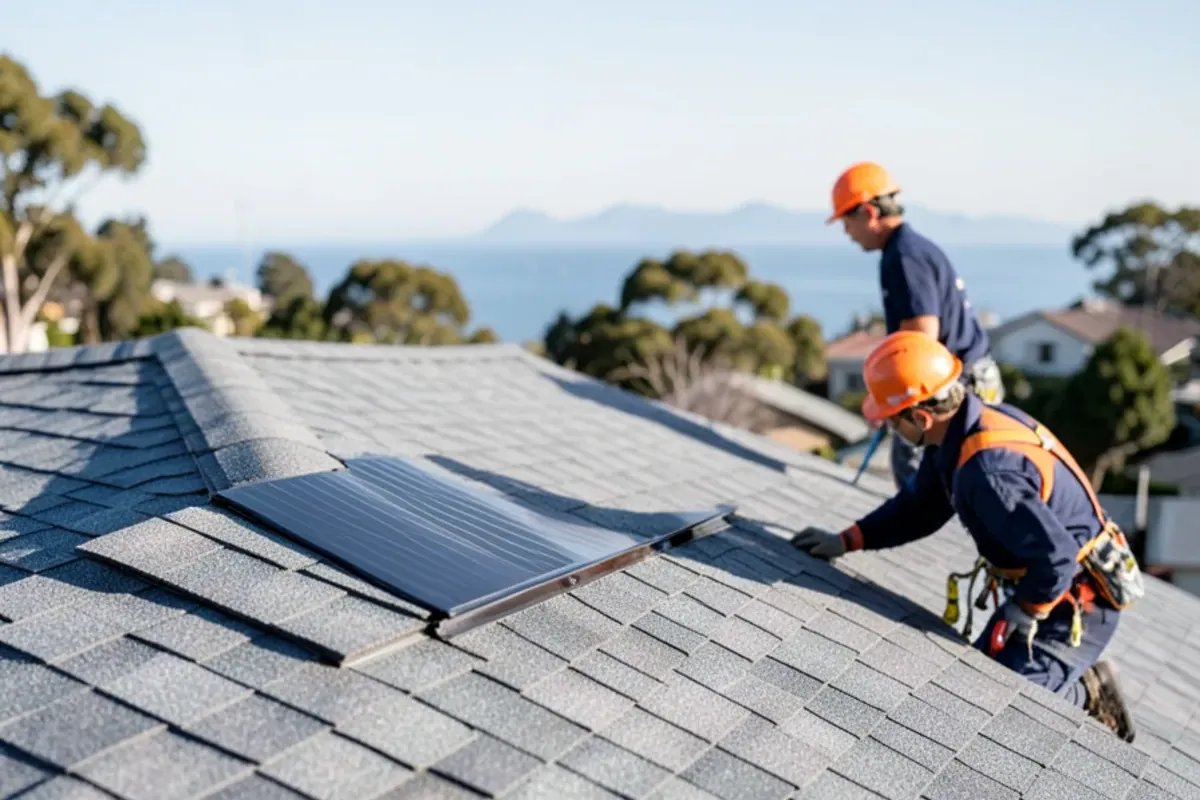
- Add or upgrade exhaust. A ridge vent is the common choice; box vents work where there is no ridge.
- Seal bath fan and kitchen ducts so they exhaust outside, not into the attic.
- Check the sheathing for stains and soft spots before covering it up.
Attic venting repairs are on our Google listing, and past customers have had vents replaced as part of a reroof. Aged decking has also turned up at tear-off on Alameda jobs, and damp attics are one reason decking ages early. See attic venting repair for what a visit includes.
How can you check your attic in ten minutes?
Go up on a dry afternoon with a flashlight and a phone camera, and step only on the joists. This is a look-and-record check, not a repair:
- Note the attic temperature against the outdoor air; a big gap long after sunset points to trapped heat
- Look at each eave for daylight or airflow through the soffit; none means the intake is blocked
- Check whether insulation is stuffed against the roof deck at the eaves
- Look for rusted nail tips and dark, damp patches on the underside of the sheathing
- Trace bath fan ducts to see that they end outside, not in the attic
- Count the exhaust vents and compare them to the intake
Send the photos with your call. A roofer can usually tell from them whether you need baffles, new vents or just a fan duct fixed.
What do roofers weigh before adding vents?
The right fix depends on the roof shape, and a ridge vent is not always the answer. A hip roof has a short ridge, so box vents or a mix may be needed to reach the exhaust area. A low-slope bungalow roof with deep eaves may have plenty of intake space but little room for a ridge cut. Ridge vents also need a slot cut in the sheathing, which is simple on a reroof and harder on an intact roof.
Intake is the part most owners skip. Adding exhaust vents without clearing the soffits can pull air from the wrong places, including from inside the house. Baffles at the eaves are cheap and are the first step. The honest sequence is intake, then exhaust, then check that the ceiling below is air-sealed. For related repairs, see the roof repair section.
A note from the field on vents and reroofs
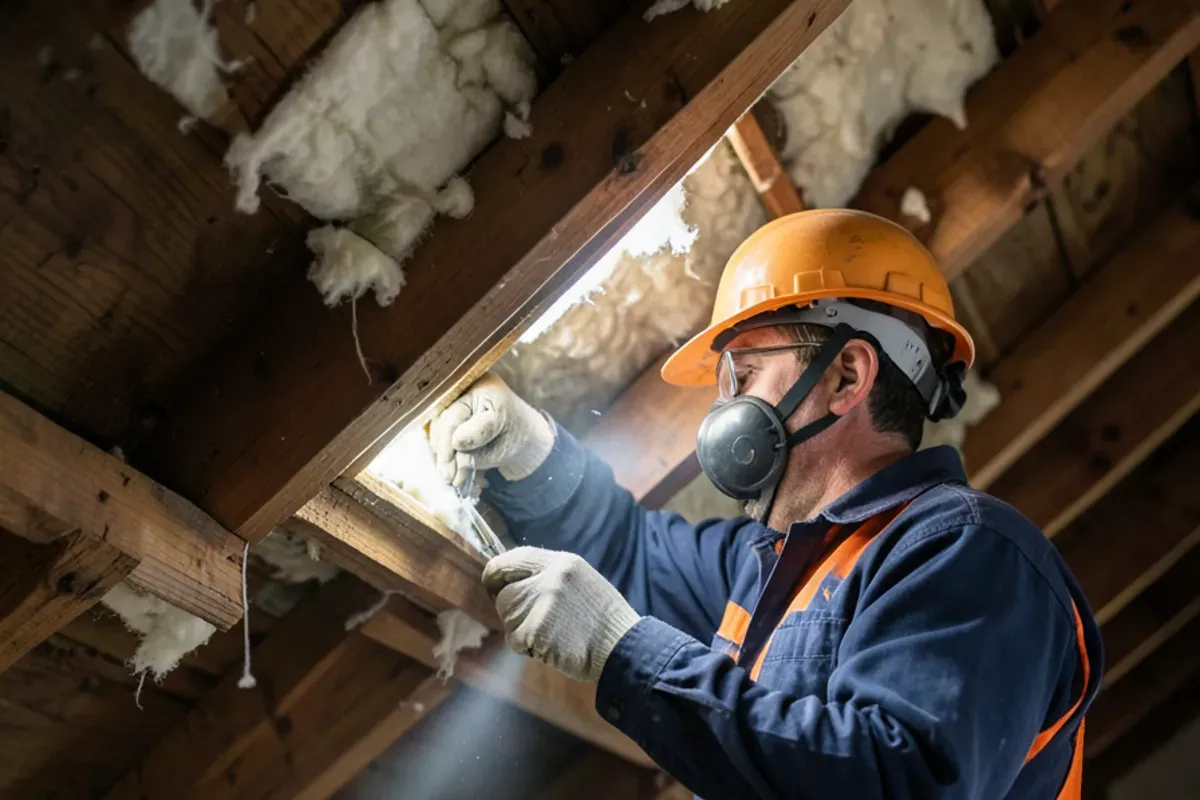
A reroof is the moment to look at the vents, because the old covering is off and the sheathing is in view. Past customers have had vents replaced as part of that work. Color plays a smaller role: on one Alameda job a lighter shingle color was suggested to keep a sunroom cooler.
Ventilation does not replace insulation or air sealing. An attic that leaks warm, humid air from the house will still collect moisture, so fixing the ceiling bypasses matters too.
What does poor ventilation cost you?
The costs are slow and quiet. A hot, stagnant attic cooks the shingles from below, and heat is one reason shingles curl and crack ahead of schedule. A damp attic is worse. Winter condensation rains onto insulation, rusts nails and darkens the underside of the sheathing, and over several winters the wood can soften.
The signs usually appear in this order:
- The upstairs rooms run hot in summer
- Rust shows on nail tips in the attic
- Dark staining spreads on the underside of the sheathing
- Insulation turns damp or compressed
- Shingles curl or crack
- Soft sheathing appears, which becomes a decking repair
Catching it at step two or three leaves a smaller repair than waiting for step six. If you are planning a reroof, bring up ventilation in the first conversation so the estimate lists the intake and exhaust vents it assumes.
When to ask for an attic check
Ask for one if you see rust on nails, stains on the sheathing, early shingle curling or ice-cold, damp insulation. Alameda owners can start from the home page and book a free inspection; ask that the attic be part of the look.
Call the office, tell us what you see, and we will schedule a look.