
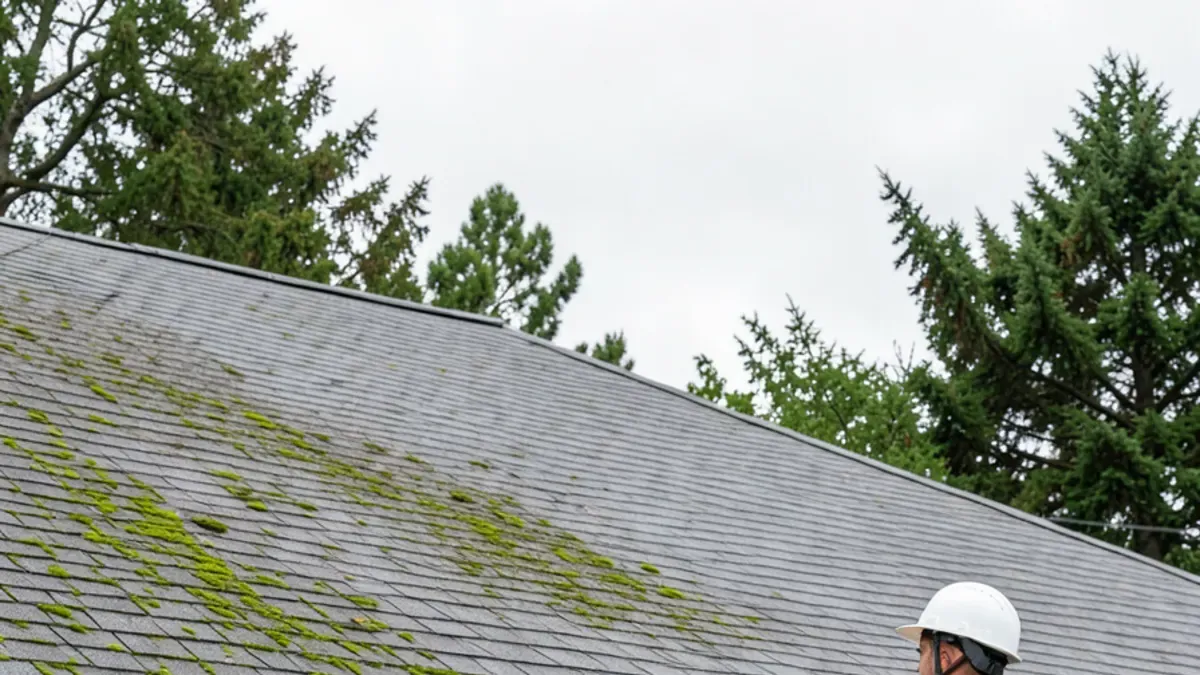
A roof in the Bay Area lasts roughly as long as the general industry range for its material, minus whatever ventilation, shade, salt, poor installation and neglect take away. Mild temperatures help. Damp, shaded slopes, salt air and a hot, unvented attic hurt. These ranges are rules of thumb, not guarantees, and your own roof's condition matters more than its age.
How long does each roof type last?
These are general industry ranges. Site conditions move them, and warranty terms are not lifespans.
| Roof type | General industry range | Bay Area notes |
|---|---|---|
| Basic three-tab asphalt shingle | About 15 to 20 years | Shaded, damp slopes shorten it |
| Architectural asphalt shingle | About 20 to 30 years | The 30 on the wrapper is a rating, not a promise |
| Standing seam metal | About 40 to 70 years | Coating and fasteners decide it near the bay |
| Clay or concrete tile | About 50 years or more | The underlayment under tile often fails first |
| Built-up, torch-down or modified bitumen | About 20 to 30 years | Drainage and ponding matter most |
| Single-ply membrane (TPO, PVC, EPDM) | About 20 to 30 years | Seams and penetrations fail first |
Rated lifespan vs real lifespan
A warranty term is a legal promise about a defect, with conditions. It does not predict how long the roof will last. Most warranties exclude damage from poor ventilation, foot traffic and storms, and many prorate coverage after the first years. Read the warranty paperwork in full before you sign anything, and get its terms written into the contract.
A real lifespan comes from the roof itself: how well the water is shed, how much heat the attic builds, how clean the gutters stay and how well the flashing was installed. Two identical roofs on neighboring houses can differ by a decade.
What shortens a roof's life in the Bay Area?
Four things do most of the damage:
- Moisture. Alameda gets about 22 inches of rain a year, nearly all from October to April (BestPlaces). Shaded slopes under trees stay wet, so moss and algae grow and the shingle edges lift.
- Salt air. It corrodes the nails, flashing and metal accessories on bayside roofs, long before the roof surface wears.
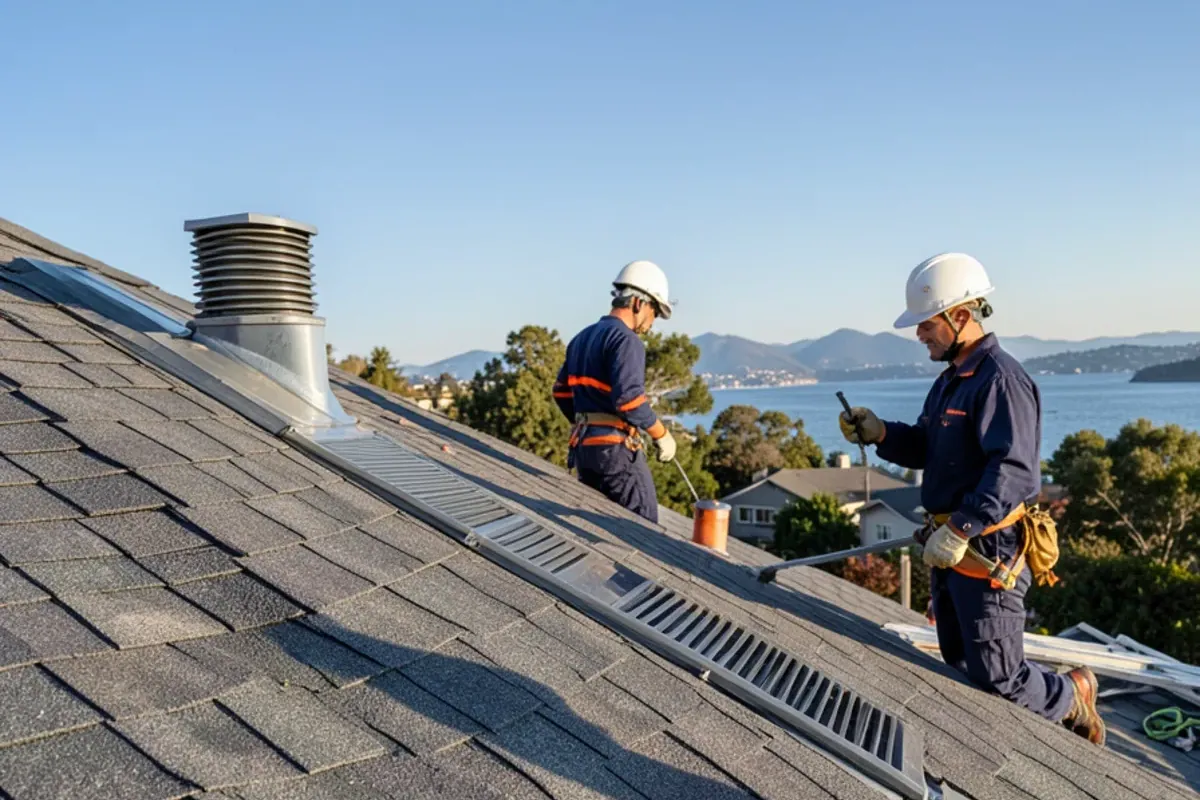
- Poor attic ventilation. A hot, stagnant attic bakes shingles from below, and a damp one rots decking. Venting repairs are a common fix.
- Neglect. Clogged gutters, loose flashing and overhanging branches turn a small fault into a leak.
What helps it last?
Mild temperatures are the Bay Area's advantage. The cool summers put less heat stress on shingles and membranes than the hot inland valleys do. Annual checks, clear gutters, trimmed trees and working vents add years. A sound installation matters most, since flashing, nailing and underlayment are all done once.
For older homes, the decking and ventilation can limit the roof's life more than the covering. Aged decking found at tear-off is common on older Alameda roofs, and a change order for it should be explained before work continues.
Signs a roof is near the end
- Shingles curl, crack or show bare patches of exposed asphalt.
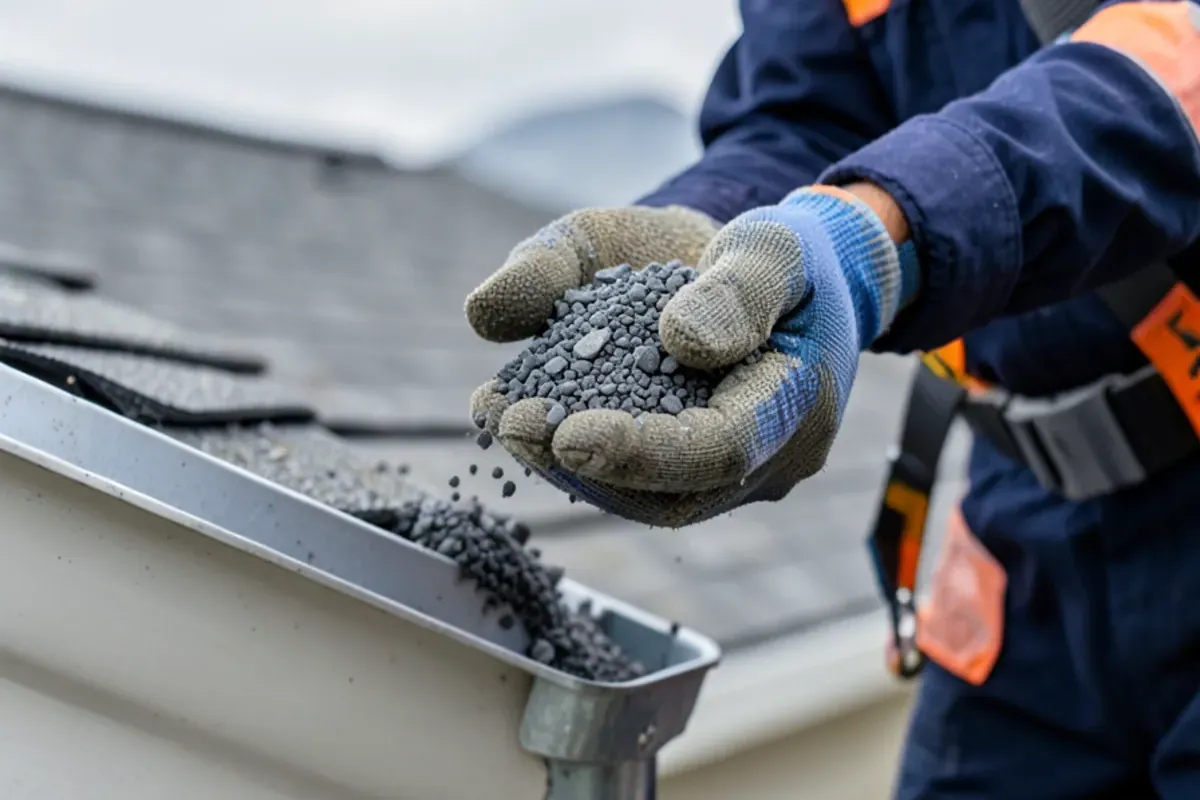
- Granules collect in the gutters or at downspout outlets.
- Leaks keep returning after repairs.
- The roof sags or feels soft underfoot.
- Flashing and sealant fail in several places at once.
- Moss grows in thick layers.
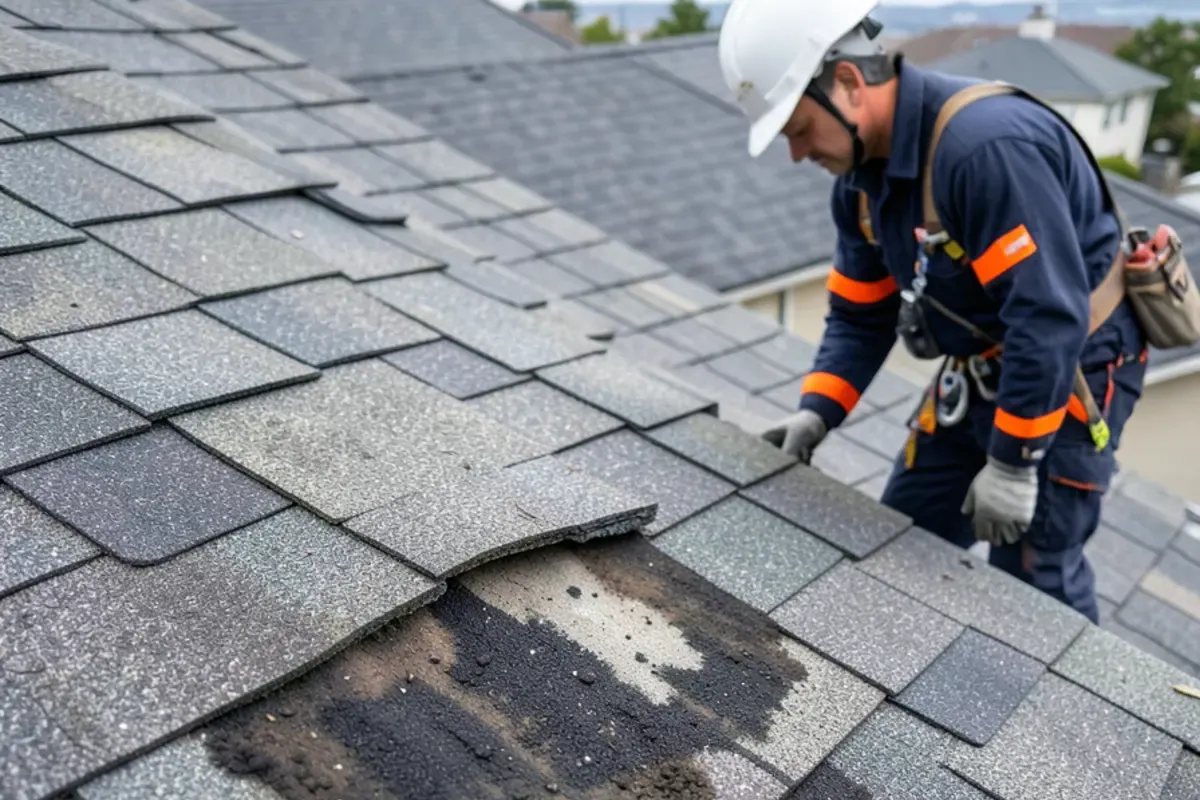
Several signs together mean replacement is close. One sign alone may only need a repair, and past Alameda customers have been told to wait rather than replace, or given advice on keeping old shingles going.
What do other published charts say?
InterNACHI, the home inspectors' association, publishes a life expectancy chart for house components. It lists three-tab asphalt shingles at about 20 years, architectural shingles at about 30 and metal roofing at 40 to 80 years. Those figures sit close to the ranges above, which is the point: independent sources land in the same bands, and none of them knows your roof.
Treat every chart as a starting estimate. The chart is a general one, and it cannot account for a shaded north slope, a missing ridge vent or a flashing detail done wrong in year one.
Where does a roof stand by age?
Age sets the questions to ask, not the verdict. Here is a way to read it for a shingle roof.
| Roof age | Typical stage | Sensible action |
|---|---|---|
| Under 10 years | Early life | Annual look, clear gutters, fix flashing faults early |
| 10 to 20 years | Mid-life | Inspection every couple of years, budget for replacement |
| 20 years and up | Late life | Inspection now, written remaining-life estimate |
| Any age with repeated leaks | Detail failure | Repair the cause, then reassess |
A three-tab roof reaches late life sooner than an architectural one. A roof with repairs in the same corner three times is telling you the flashing or the deck is the problem, not the shingle.
How does attic ventilation change the number?
Ventilation is the quiet variable. A roof needs air coming in low, at the soffits, and leaving high, at the ridge or roof vents. When intake is blocked by insulation or paint, the attic runs hot in summer, which dries shingle asphalt from below, and holds moisture in winter, which stains decking and rusts nail tips. Balanced airflow is cheap compared with a roof, and it is a common fix on older Alameda houses. Past customers have had vents replaced in a reroof, and attic venting repairs are on the Google listing.
What belongs in a roof file?
Keep one folder, paper or digital, and update it each time something happens.
- Installation date, permit number and the final inspection record
- The shingle product and color, written on the invoice
- Warranty paperwork, with the terms in writing
- Every repair invoice, with the date and location on the roof
- Dated photos from each fall check
That file answers a buyer's question, an insurer's question and your own. For a quick start, a roof inspection gives you the first set of photos, and residential roofing explains the replacement scope.
Why roof age matters beyond the roof
An old roof affects insurance too. One Alameda customer had insurance cancelled over an aging roof without an inspection, and reroofed. A second owner reroofed partly to cut a homeowners insurance bill. Ask your insurer what it wants to see, and keep inspection photos and invoices on file.
How a roofer judges remaining life
Age is a starting point, not the answer. A roofer looks at the shingle surface for granule loss and cracking, then checks the flashing, the number of earlier repairs and the attic for stains, rusted nail tips and ventilation. The finding should come back as a number of years with a reason, such as three to five more years if the flashing is redone. Ask for that in writing, with photos, so you can decide between spending on repairs now and saving for a replacement.
A fair report also separates the roof covering from the parts around it. Gutters, fascia and vents often need work earlier than the roof itself, and a roof can have years left while its flashing is already failing.
What we see on Alameda County roofs
Field experience across Alameda County shows the same pattern: roofs fail at the details first. Flashing, skylights, vents and gutters wear out well before the roof surface does. One Alameda job found flashing and gutter faults left by an earlier contractor, and fixed them in the same visit as a repair.
Finding out how many years yours has left
If you do not know how many years your roof has left, a roof maintenance visit or an inspection will tell you. Call or request an estimate, tell us the roof's age and what you have noticed, and we will give you a written view. Our base is in Alameda, and the other cities we visit are on the service areas page. Your written estimate is the number that counts, so ask for repair and replacement options side by side.