
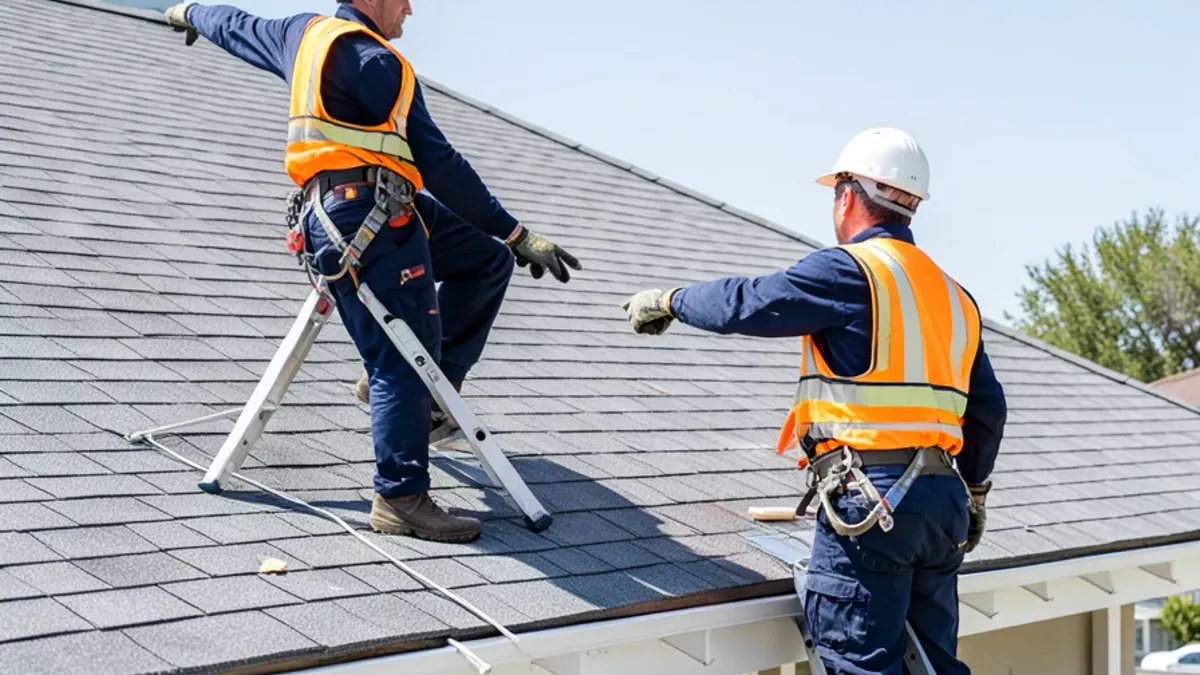
An insurance adjuster roof claim runs in six stages: you report the loss, the insurer acknowledges it and investigates, an adjuster inspects, the insurer issues a scope and decision, work is done, and final payment follows. Roofers attend the adjuster's visit to point out damage, but only the policyholder, the insurer or a licensed public adjuster negotiates the claim.
What are the stages of a roof claim?
The California Department of Insurance guide and the state's claims regulations describe the sequence. The deadlines in step 2 and step 5 come from Title 10 of the California Code of Regulations.
- Report the loss to your agent or insurer and protect the property from further damage.
- The insurer acknowledges the claim within 15 calendar days and begins investigating.
- An adjuster inspects the roof and may return for a second visit.
- You submit proof of claim, including photos, receipts and estimates.
- The insurer accepts or denies in whole or in part within 40 calendar days after proof of claim, and pays within 30 calendar days of acceptance.
- Repairs are completed and any remaining payment is released.
If the insurer needs more time, it must explain in writing and update you every 30 days. A denial must be in writing, give the grounds, cite the policy provision and say you may have the department review it.
Who is the adjuster, and who pays them?
The insurer's adjuster works for the insurance company, and does not charge you a fee. The Department of Insurance says you can ask the adjuster to prepare an estimate of the damage and the probable cost to repair, which gives you a professional benchmark to compare with contractor bids. If the adjuster says something is excluded, ask which policy provision applies.
A public adjuster is different. A public insurance adjuster is a person who, for compensation, acts on behalf of or aids an insured in negotiating or settling a property claim, and must be licensed by the Department of Insurance. Public adjusters and lawyers usually take a percentage of the settlement, so weigh the cost before hiring one.
Why do roofers meet the adjuster on site?
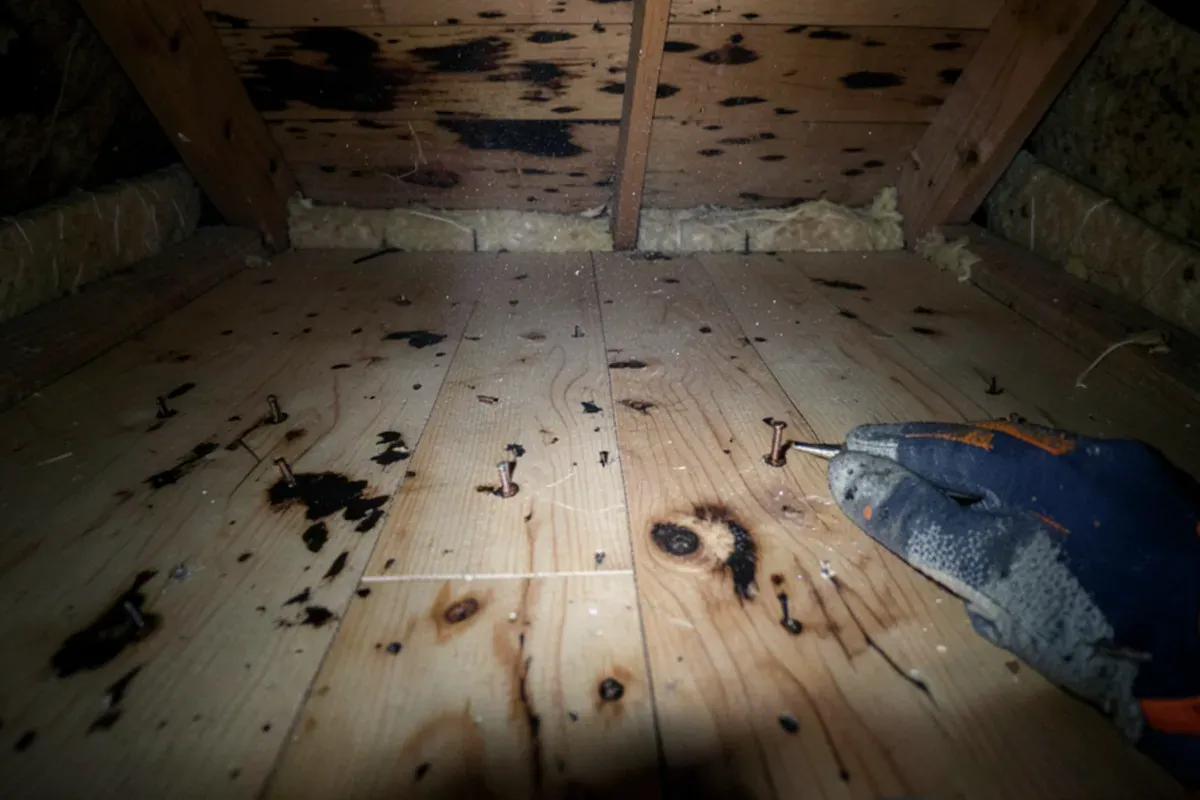
Because the roof tells the story best in person. An adjuster sees the surface in an hour, while a roofer who has opened the roof can point to flashing failures, nail patterns, decking or sheathing damage and underlayment issues. A roofer can also explain why a repair needs a full slope instead of a patch.
Our part is photos, a written repair scope and a walk across the roof with the adjuster. We do not negotiate, we do not predict outcomes, and we do not offer to cover a deductible. Padding an invoice to hide a deductible would be insurance fraud under California Penal Code section 550.

What happens when more damage turns up?
A supplement covers hidden damage found after the first estimate. Decking, flashing or underlayment is often visible only after the old roofing is removed. The Department of Insurance says that if more damage is found later, you can generally reopen the claim and request additional compensation, and you must notify the insurer immediately.
Keep it organized. Photograph the hidden damage before it is covered, write down the date it was found, and send the insurer a clear note with the roofer's explanation. On one Alameda job, aged decking found at tear-off was explained through a change order before work continued, which is the sequence a supplement needs.
Who does what in a roof claim?
Roles are separate, and mixing them causes most of the confusion. California limits negotiating to the policyholder, the insurer or a licensed public adjuster.
| Party | What they do | What they do not do |
|---|---|---|
| Homeowner | Reports the loss, protects the property, signs off on repairs | Decide coverage; the policy and the insurer do |
| Insurer's adjuster | Inspects, writes the estimate, recommends a decision | Works for the insurer, not for you |
| Roofer | Documents damage, writes the scope, walks the adjuster across the roof | Negotiate the claim, promise an outcome, or cover a deductible |
| Public adjuster | Negotiates for a fee when hired and licensed | Substitute for roof repair work |
The roofer's scope is a technical document. It lists what failed, what to replace and why, so the adjuster has something to match line by line.
How do you handle a disagreement with the adjuster?
Put it in writing and attach evidence. The Department of Insurance advises contacting the claims manager, with copies of supporting documents, and writing to the claims executive at the insurer's headquarters if that fails. If you still disagree, call its consumer line at 1-800-927-4357, where an officer may open a claims review.
Before escalating, check three things: whether your roofer's scope covers the same area as the adjuster's, whether the photos show the hidden damage, and whether the policy provision cited for a reduction actually applies. The Department of Insurance has a free claims mediation program, but it applies only to losses after September 30, 2003 where the Governor declared a state of emergency, so it will not cover an ordinary storm claim.
How does final payment work?
The first check is often an advance, and the rest follows documented repair. With a replacement cost policy, the Department of Insurance says you generally must replace the item before you receive full replacement cost, and otherwise you receive actual cash value. If you have a mortgage, the lender may want to see the contractor's bid and may inspect the finished work before releasing final funds.
That is why the end of the job matters. Keep the final invoice, the change orders, a record of the finished roof and the permit sign-off together. Customers report a site supervisor's final walkthrough and photos of the finished work sent the same day, and those make a clean last submission to the insurer. Final payment can take time, so stay patient and keep the log up to date.

How do you prepare for the adjuster's visit?
Prepare a short packet before the visit. Put your dated photos, a sketch or list of damaged areas and any interior stain locations on top. Note the roof's age and any past repairs, since an adjuster will ask. Have the attic accessible so the underside of the decking can be seen, and keep pets away from the ladder area.
Ask the adjuster what the visit will cover and when you can expect the written estimate. If the adjuster is only doing a quick scope of the loss, a second visit may follow. Write down what was said and send a brief email afterward that confirms it, which gives you a record if details are disputed later.
What should you keep on file?
Keep everything in one folder, paper or digital.
- Policy declarations page and the full policy, which you can request from the insurer
- Dated photos of damage before, during and after repair
- A log of calls with names, dates and what was said
- Receipts for emergency protection
- The adjuster's estimate and every contractor estimate
- Change orders, invoices and the final inspection record
What do we see in Alameda claim files?
Past Alameda customers describe the paperwork as the heaviest part. One said the company helped document damage, met the adjusters, sent emails and detailed photos, and stayed patient while the final payment processed. Another had a wind-damaged roof claim, and a third filed a tree-damage claim covering the roof, gutters and siding.
Customers also report text and email updates and photos of progress sent the same day, which feed the claim file. A site supervisor's final walkthrough completes the record.
Our roof insurance claims page lays out what we prepare, and the storm damage roofing hub covers wind and tree damage, and wind damage roof repair shows how a repair scope reads. Alameda homeowners can begin at the home page.
If you have a claim open or about to open, call the office or ask for a free inspection and estimate, and bring the policy and photos to the first visit.