Skip to content
Apex Shield Roofing logo
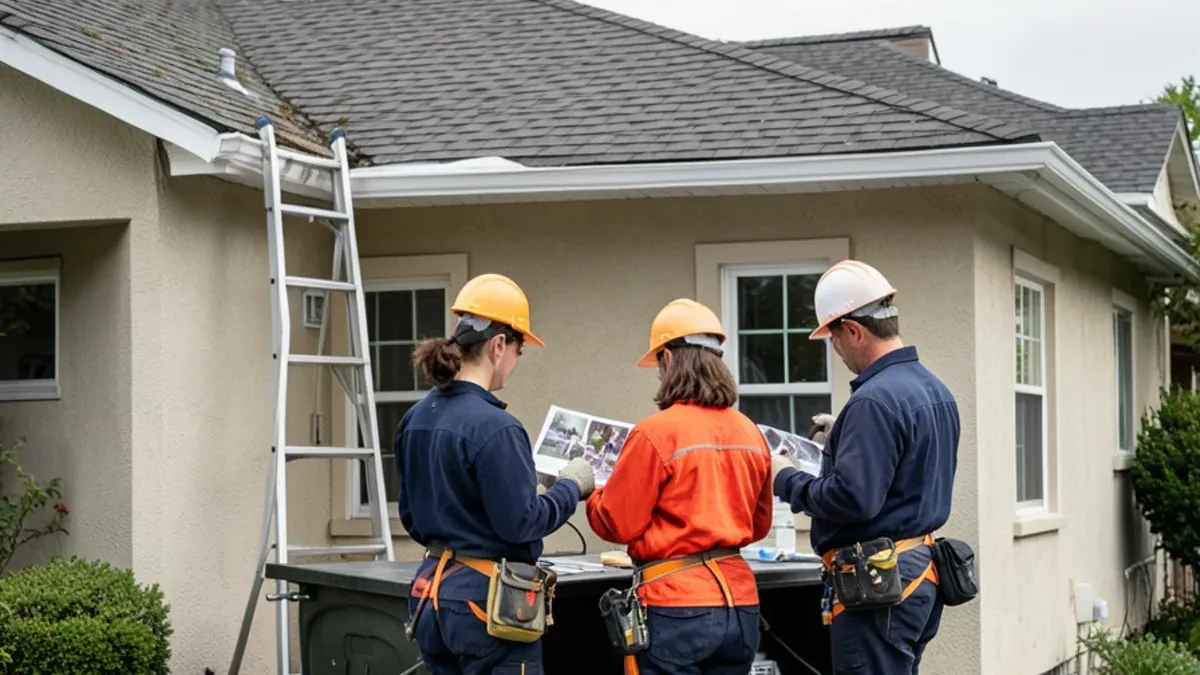
Roofer and homeowner on a driveway with an insurance adjuster reviewing storm photos near an Alameda house

Roof Insurance Claims in Alameda, CA

Roof insurance claim help from a roofer means documenting the damage, writing a repair scope and meeting your adjuster on the roof, while you and your insurer handle the claim itself. This page, part of our storm damage roofing work, explains exactly where our job ends and yours begins.
  • 4.9 stars from 60 Google reviews
  • Free written estimates
  • Photo updates by text and email
  • Office on Webster St, Alameda

What does a roofer do on an insurance claim?

A roofer documents, scopes and attends. We inspect the damage, photograph it, write a repair scope with materials and methods, and meet the adjuster on site to walk the roof. We also help with paperwork, such as sending photos and emails.

A roofer does not negotiate the claim. Under California law, only the policyholder, the insurer or a licensed public adjuster negotiates, so we never promise an outcome, tell you what the insurer will pay or offer to cover a deductible. Alameda customers have reported exactly this kind of help on wind and tree claims, including one claim that covered the roof, gutters and siding.

Roofer that works with insurance: what you receive

These are the deliverables, handed to you to give to your insurer.

  • A dated photo set of every damaged area, wide and close
  • A written scope naming the damaged components and the repair or replacement each needs
  • Notes on interior stains and wet insulation, documented but not repaired by us
  • A site visit with your adjuster
  • Updated photos and a change order if hidden damage appears during repair
  • A final set of completion photos and your warranty paperwork

The process, step by step

  1. Report the loss. Call your insurer first and get a claim number.
  2. Stop the water. Tarp or seal the roof and keep the receipts.
  3. Inspect and photograph. Wayne or Pedro often does it, and the photos come to you by text or email.
  4. Write the scope. It lists materials and methods, and it states who pulls the permit.
  5. Meet the adjuster. We walk the damage with them on the roof.
  6. Wait for the insurer's decision. This is the insurer's part, not ours.
  7. Repair. Work begins after you approve the scope and the insurer has seen the roof.
  8. Final documents. You receive completion photos and paperwork for the file.
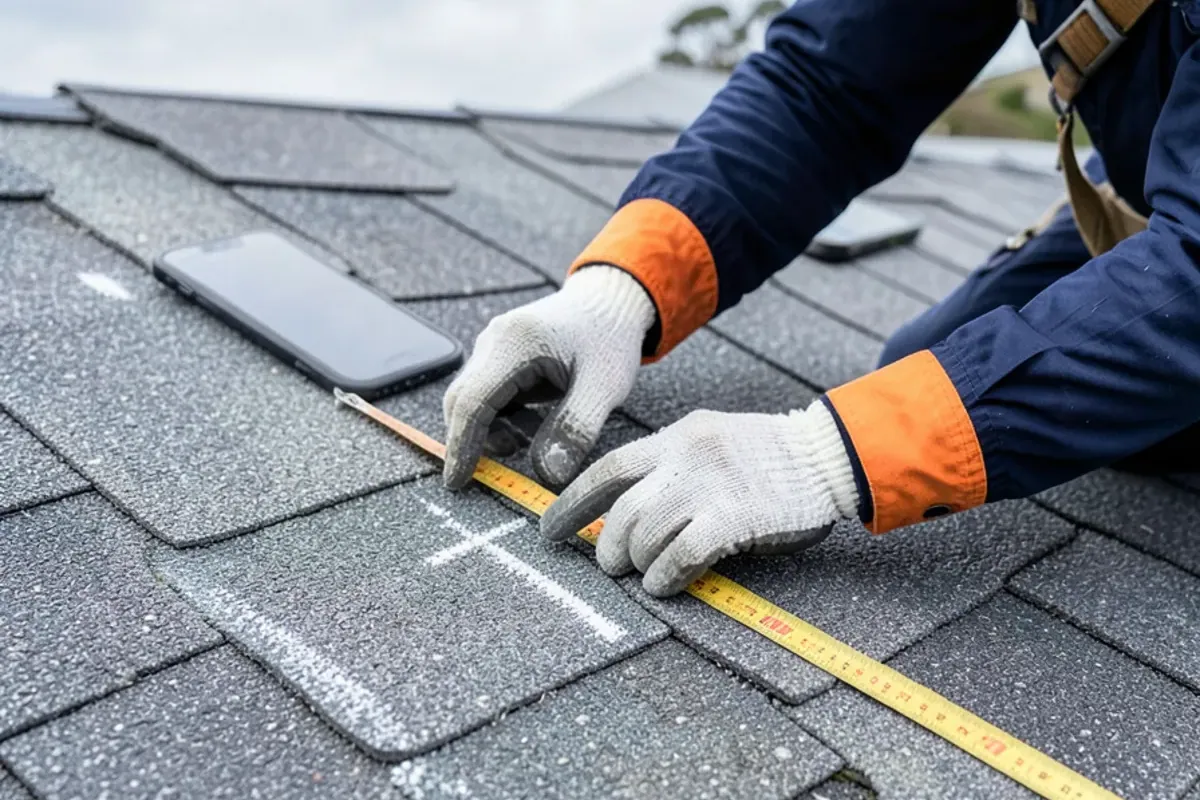
Roofer using a chalk mark and tape measure to document damaged shingles for a claim
A roofer marks and measures damaged shingles so each area appears in the photo record.
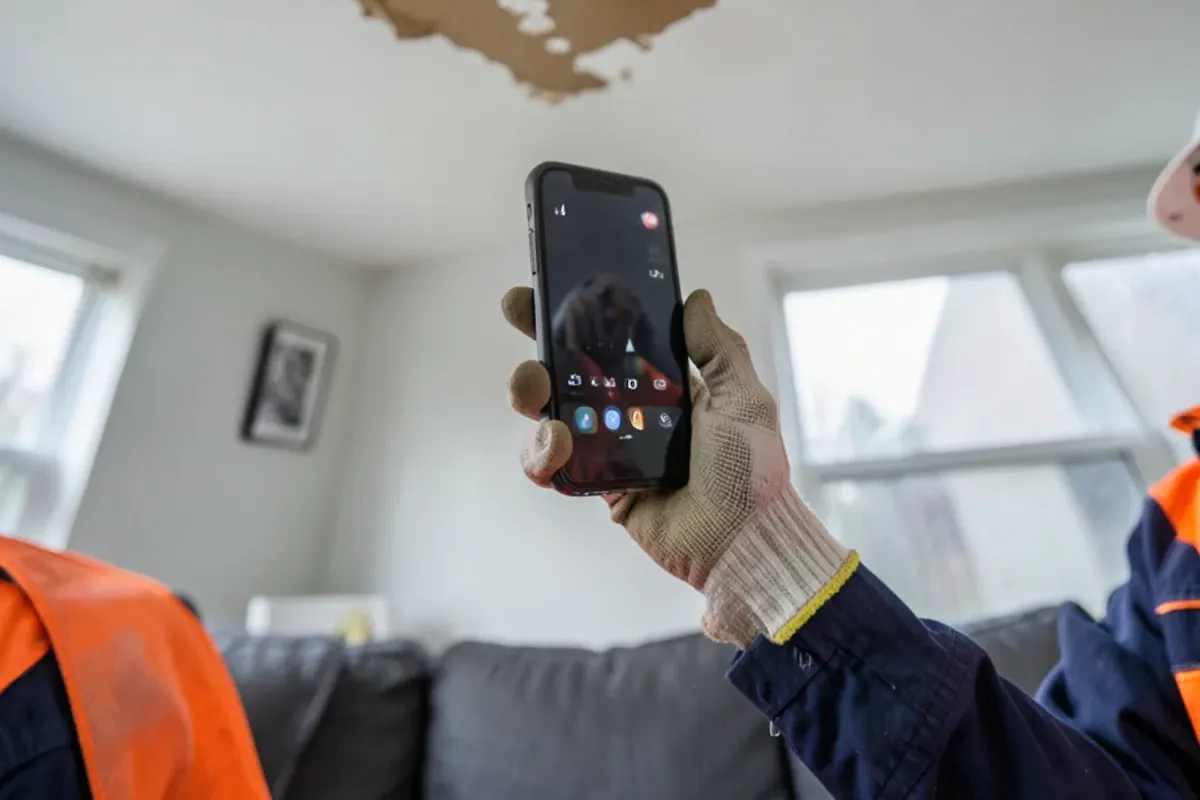
Homeowner photographing a water stain on a living room ceiling with a phone
Dated photos of interior stains belong in the claim file.

Roof claim documentation: your records

Start the file on day one. Insurers decide on what they can see and date. Gather the following:

  • Photos taken before any cleanup
  • Your policy and declarations page, including the deductible and any wind or storm terms
  • Roof age, permit history and past repair invoices
  • Receipts for tarping, drying and other emergency work
  • A log of calls with dates, names and claim numbers

Alameda's age profile matters. Point2Homes reports that 31.9% of homes here were built in 1939 or earlier, and a house with an older roof may face questions about wear. Wear and tear is usually excluded, while sudden damage is usually covered, so your records should show what changed after the storm.

Can a California roofer pay my deductible?

No. You owe the deductible, and our estimate lists the real scope at the real price. Absorbing a deductible usually means inflating an invoice, which Penal Code section 550 treats as insurance fraud, so walk away from any offer to waive it.

Insurance adjuster roof inspection: how the visit works

The adjuster inspects for the insurer, and you decide whether to have a roofer there. We attend because we know where the damage is and which questions matter, such as how many layers of shingle there are, whether matching material exists and what hidden damage to expect. We point, answer and photograph. We do not argue the amount.

The usual order is tarp first, adjuster visit second, permanent repair third.

Insurance claim roof replacement: when the claim covers more than a patch

When damage is widespread or the roof has no good years left, the insurer may approve replacement, but the policy and adjuster decide. If the claim pays for a repair and hidden damage shows up at tear-off, we document it and explain it to you before work continues, as in an Alameda job where aged decking required a change order. You can then give your insurer the photos and ask for a supplement. See wind damage roof repair for the repair side, and roof replacement for insurance renewal if the question is your policy instead of a storm.

What if the claim is slow or denied?

Ask the insurer for its reason in writing and compare it to your policy. If it is wear and tear, new photos of recent sudden damage can matter. If it is a gap in payment, consult your policy's appraisal clause, a licensed public adjuster or the California Department of Insurance, which runs a consumer line. We are not lawyers or adjusters and give no legal advice. One Alameda customer noted the company stayed patient while the final payment processed.
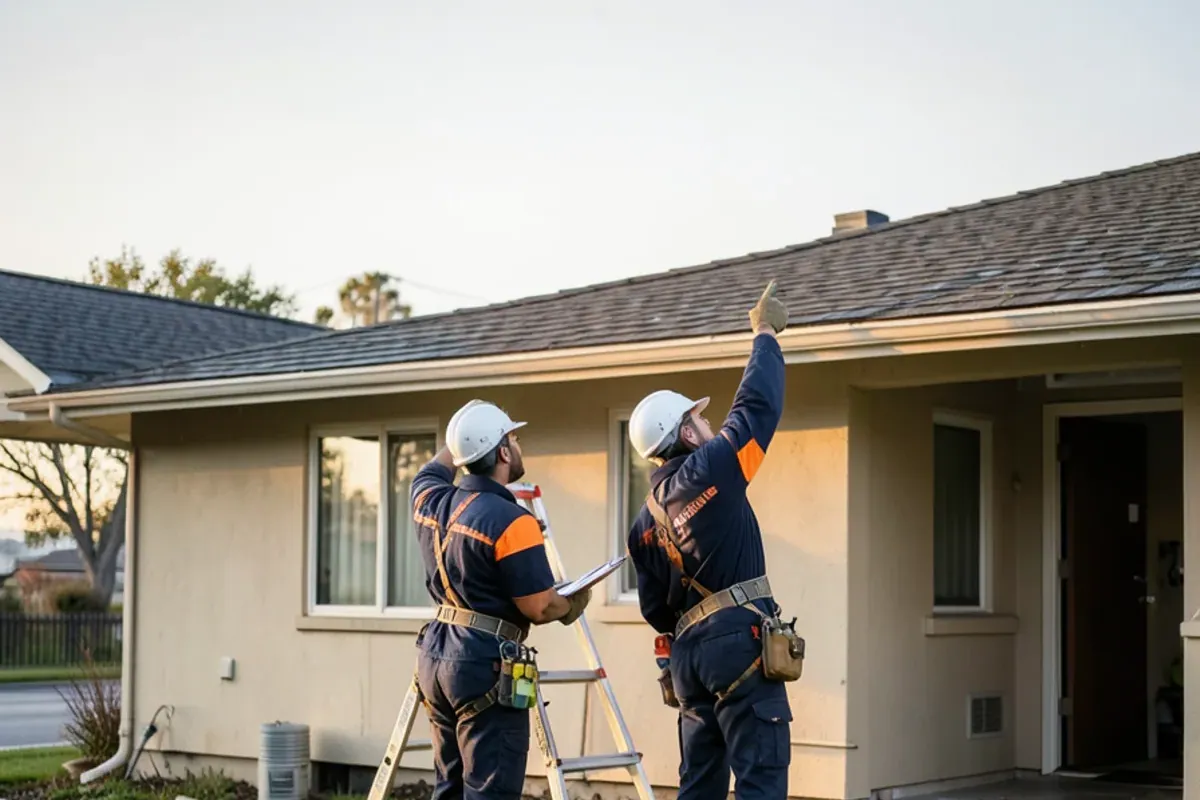
Homeowner, adjuster and roofer standing at the eave of a damaged Alameda roof reviewing the scope
A roofer, an adjuster and a homeowner walk the damaged slope together.

Claim deadlines, permits and licensing

The California Department of Insurance says insurers must acknowledge a claim within 15 days of notice, and its claim regulations set 40 days to accept or deny after proof of claim. A claim that pays for replacement still needs a permit check with the City of Alameda Permit Center. Verify any roofer's C-39 license number at cslb.ca.gov.
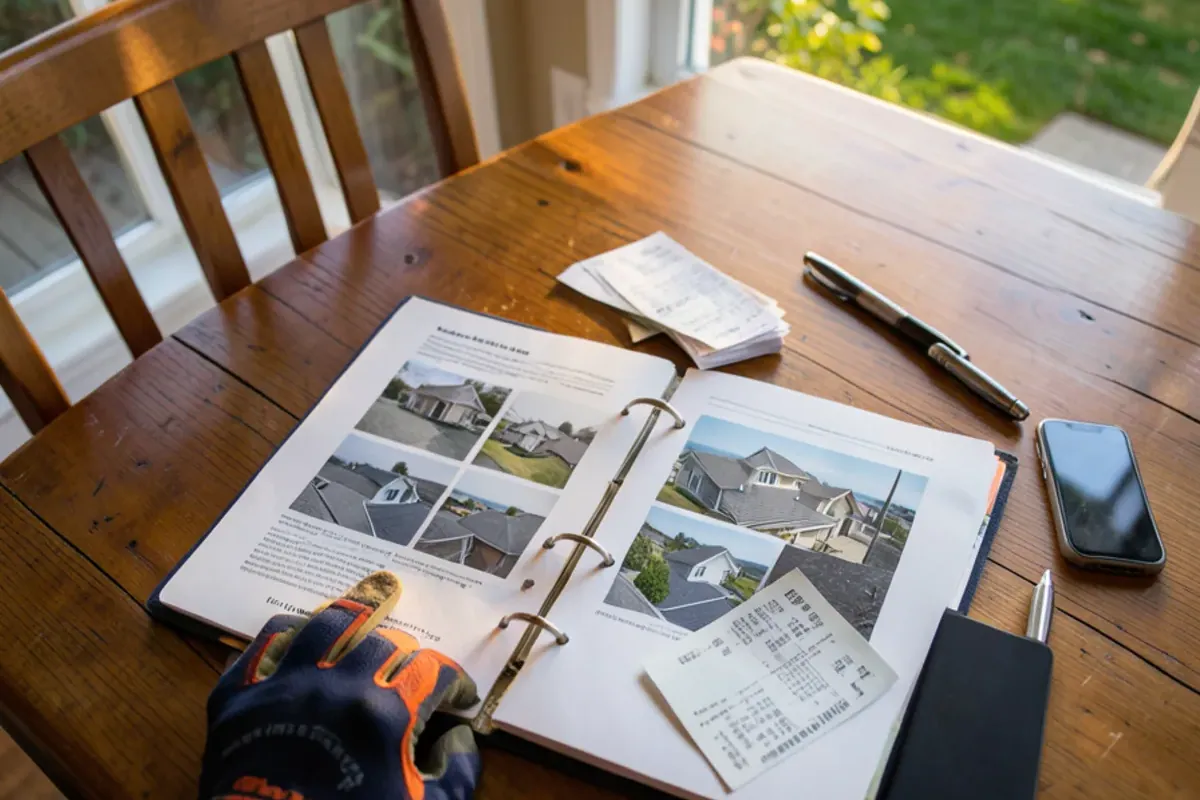
Binder of dated roof photos, tarp receipts and a printed repair scope on a dining table
A claim binder keeps dated photos, receipts and the repair scope together.

Where we help with roof claims

Claims help covers Alameda and nearby cities. From Webster St, Oakland is about 12 minutes, Berkeley about 18, San Leandro about 24, Hayward about 31 and Castro Valley about 35. Those are estimates, longer on bridge routes at commute hours.

What customers say about roof insurance claims work

4.9 stars from 60 Google reviews, as of May 2026. Read more reviews

“Apex Shield Roofing put on a new roof for us after storm damage and did an excellent job from the inspection to helping with the insurance claim, the roofing install, and the full cleanup.”
Maya J. · Google review · 2026
“When a big storm hit and I realized I needed multiple new roofs, I asked around for quotes. … Many roofing companies gave me the run-around, saying things like, “We only work with insurance,” or promising quotes that never arrived.”
M. M. · Google review · Alameda · 2025
“After a big hailstorm damaged our roof, we called a local roofing company to help us out.”
Eden P. · Google review · 2025

Where we do roof insurance claims work

  • AlamedaOlder Alameda roofs invite adjuster questions about wear, so dated photos of what changed after the storm carry weight.
  • OaklandAbout 12 minutes away, close enough to meet the adjuster on site; the City of Oakland handles repair permits.
  • BerkeleySteep hillside roofs are walked with the adjuster using aerial photos, so nobody steps on loose shingles.
  • San LeandroPostwar single-story roofs are quick for an adjuster to review; the City of San Leandro handles repair permits.
  • HaywardAbout 31 minutes away, so adjuster appointments are set a day ahead with extra time for bridge traffic.
  • Castro ValleyUnincorporated, so a claim that pays for replacement needs an Alameda County permit, which the scope should name.
  • PiedmontTree-damage claims are common under mature canopy, and design review may apply when a covered repair changes the exterior.
  • AlbanyHouses sit close together here, so the claim photo set should show every slope and the roofline.

Roof Insurance Claims: common questions

Can a roofer meet with my insurance adjuster?

Yes. We attend the inspection, point out each damaged area, and answer the adjuster's questions about materials and repair methods. That is meeting and documenting, not negotiating. In California only the policyholder, the insurer or a licensed public adjuster negotiates a claim, so the amount, coverage and settlement stay between you and your insurer.

What documents help a roof insurance claim?

Dated photos of the damage, a written repair scope, the roof's age and repair history, your policy declarations page and receipts for emergency work such as a tarp. Photograph before anything is moved. Keep every email and the claim number. We provide photos and a scope, and you submit them to your insurer.

Can a California roofer pay my deductible?

No, and we do not offer to. A roofer who absorbs or hides a deductible usually inflates the invoice to cover it, which is insurance fraud under California Penal Code section 550. You owe the deductible under your policy. Be cautious of any contractor who promises to waive it, and report offers like that to the Department of Insurance.

What happens if my insurer's payment does not cover the repair?

Tell your insurer in writing and send supporting documents. If the repair finds hidden damage, such as rotted decking, we document it with photos and a change order so you can ask for a supplement. You can also read your policy for an appraisal clause, hire a licensed public adjuster or call the California Department of Insurance. We do not negotiate or promise results.

My roof claim was denied. What now?

Ask your insurer for the denial reason in writing, then compare it to your policy. Wear and tear is usually excluded, and sudden damage is usually covered. If you disagree, send new photos or an inspection report, and consider the California Department of Insurance consumer line. We can provide a roof inspection and photos. We cannot reverse a denial.

Should I repair the roof before the adjuster visits?

Only make temporary repairs that stop water, and keep photos and receipts. Permanent repair before the adjuster sees the damage can weaken a claim. Alameda customers report that tarping is often done quickly after a storm. Tell your insurer what you did, and ask whether it wants to see the roof before work begins.

Get a written estimate for roof insurance claims

The phone is the fast way. If the water is coming in now, call first and use the form later.

  • 4.9 stars from 60 Google reviews
  • Free written estimates
  • Photo updates by text and email
  • Office on Webster St, Alameda

Ready to talk about roof insurance claims?

A call gets you a real person and a time for an inspection.

Apex Shield Roofing · 1910 Webster St, Alameda, CA 94501 · +1 (209) 563-1278

Call +1 (209) 563-1278
Call NowQuote