
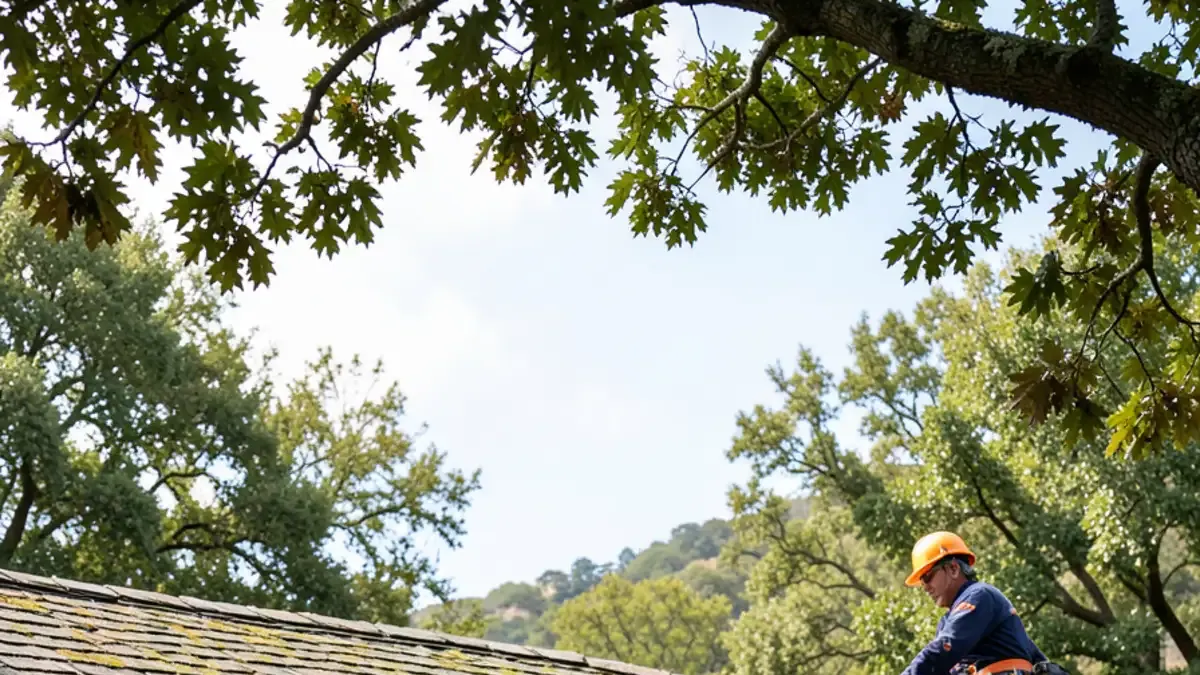
If your insurer dropped you over your roof, you have time to act, because California requires written notice at least 75 days before the policy ends and requires the notice to state the reason. Call the insurer, ask what would resolve the roof concern, get a roof inspection report, and compare repair against replacement before the policy expires.
How much notice does an insurer have to give?
At least 75 days before the expiration date, and in writing. The California Department of Insurance says the notice must include the reason, and that nonrenewal notices point to the Home Finder and the FAIR Plan. If the company fails to give proper notice, your existing policy stays in effect, with no change to its terms, for 75 days from the date the notice is sent.
Read the notice carefully. Look for the exact reason stated, such as roof age, roof condition or an inspection finding, the date the policy ends and any steps the insurer says could change the decision.
What should you do in the first week?
Treat the notice as a project with a deadline. Start with a call, then paperwork.
- Call your insurer or agent and ask whether specific steps could keep your coverage.
- Ask for the roof concern in writing, including what they would accept as proof.
- Photograph every slope and note roof age, past repairs and any leaks.
- Schedule a roof inspection report from a roofer and keep the invoice.
- Request quotes from other carriers and ask the Department of Insurance for help finding one.
- Decide on repair or replacement while the policy is still in force.
The Department of Insurance consumer line, 1-800-927-4357, helps with non-renewal questions.
Is a repair enough, or does the roof need replacing?
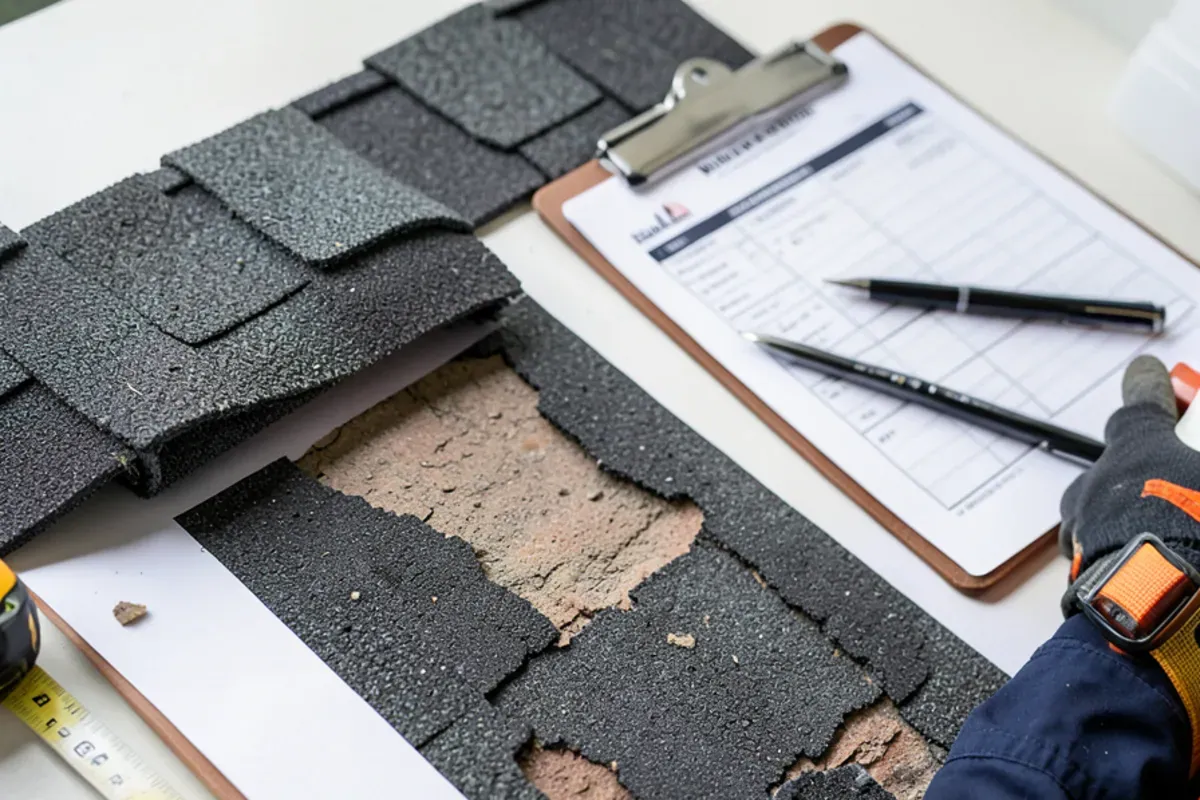
It depends on what the notice says and what the roof shows. Local repairs make sense when the roof is otherwise sound and the concern is a specific defect. Replacement makes sense when the roof is near the end of its life, has widespread curling or granule loss, or has leaks across several areas. CSLB puts the average life of a typical residential roof at 15 to 20 years, though shade, moisture and past repairs shift that.
An inspection report decides it. It should name the roof type, age, condition by slope and any defects, with photos. Past Alameda customers describe inspections within a day and a detailed written estimate, but timing depends on the schedule. A report can also show the insurer the roof is in better shape than the notice assumed.
Ask the inspector to cover these points:
- Roof covering type and estimated age
- Condition of each slope, with dated photos
- Flashing, vents and penetrations
- Decking condition where it can be seen from the attic
- Any active leaks or past repairs
- A plain statement of what is recommended and why
How do you work backward from the 75-day deadline?
Count backward from the expiration date on the notice, not forward from the day it arrives. A reroof needs inspection, estimates, scheduling, a permit check and a dry weather window, and each step takes days. This plan assumes a replacement is on the table:
| Window | What to finish |
|---|---|
| Days 1 to 7 | Call the insurer, get the reason in writing, book an inspection |
| Days 7 to 21 | Receive the inspection report, collect two or three written estimates |
| Days 21 to 40 | Choose a roofer, sign the contract, confirm who pulls the permit |
| Days 40 to 60 | Install the roof, pass final inspection, collect the paperwork |
| Days 60 to 75 | Send proof to the insurer and get a written reply |
The schedule is a plan, not a promise. Rain from October through April can push a tear-off, and permit timing varies, so start early if the notice arrives in fall. Under Insurance Code section 678(c), the notice must state the specific reasons, so you know what proof to send.
If the insurer gave late notice, your policy stays in effect for 75 days from the date the notice was delivered or mailed, with the same terms. Keep the envelope or the email timestamp.
Can a new roof earn a discount or help you get coverage elsewhere?
Sometimes, and it depends on the carrier. California's Safer from Wildfires regulation, effective October 14, 2022, requires insurers to offer discounts for listed home-hardening measures, and a Class A roof is one of them. The Department of Insurance says most asphalt shingle, tile and metal roofs qualify, while wood shake does not. That matters most on wooded hillsides in places like Orinda, and less in flat, island Alameda.
Ask each carrier three questions: does a new roof qualify for any discount, what proof do you need, and does a roof under ten years old change your underwriting. Their answers are the only ones that count. A new roof also shows underwriters a documented condition, with an inspection report, a contract and final photos.
What do customers actually go through?
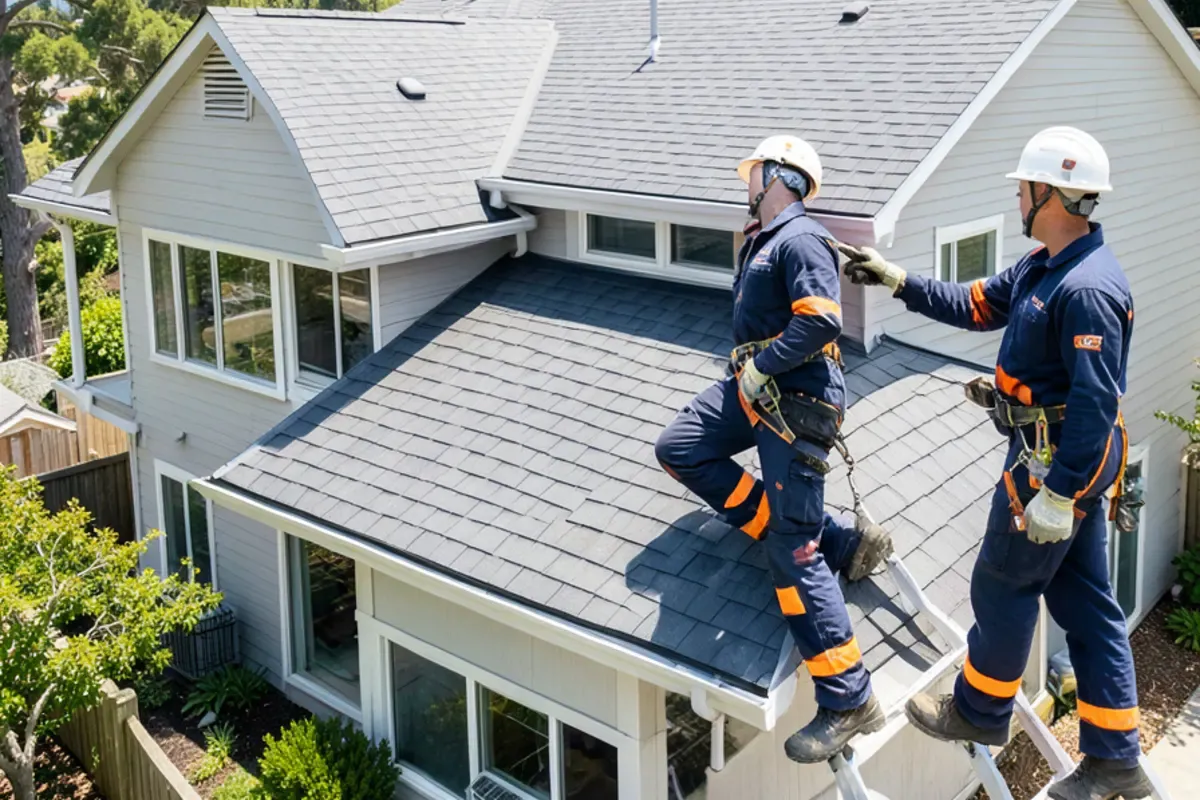
A roof can be named in a non-renewal, and customers respond in different ways. One Alameda customer had a policy cancelled over an aging roof without an inspection and chose to reroof. Another reroofed partly to save on homeowners insurance. We do not set insurance terms and cannot say what any insurer will do after a new roof, so ask your carrier whether a newer roof changes your coverage or premium.
When you replace, the paperwork helps. Keep the contract, the permit sign-off, the manufacturer's information and photos of the finished roof. Customers report receiving warranty details and paperwork at the end of a job, and the terms go in your contract in writing; ask us before you sign.
What about the FAIR Plan and other options?
The FAIR Plan is a last resort, not a long-term fix. The Department of Insurance describes it as an association of all property insurers licensed in California that offers a standard fire policy for the structure and contents, with limited coverage and no liability protection.
Ask your agent about other carriers before the deadline. A new roof and a clean inspection give an agent something concrete to take to underwriters.
Where does this apply, and what do we do?
We cover the East Bay from our Webster St office in Alameda. Orinda is about 29 minutes away through the Caldecott Tunnel, with commute traffic able to change that, and its wooded hillside homes often have roofs under oak shade and debris. Ask the Orinda building department who handles the permit, and make sure your estimate says who pulls it.
Our insurance non-renewal roof replacement page explains the inspection and replacement steps, and the storm damage roofing section has claim guides, and roof insurance claims explains the paperwork. For a home in Alameda, the home page shows how a visit works.
If a notice is on your counter, call the office or request a free inspection and estimate, and bring the letter so the stated reason guides the report.