
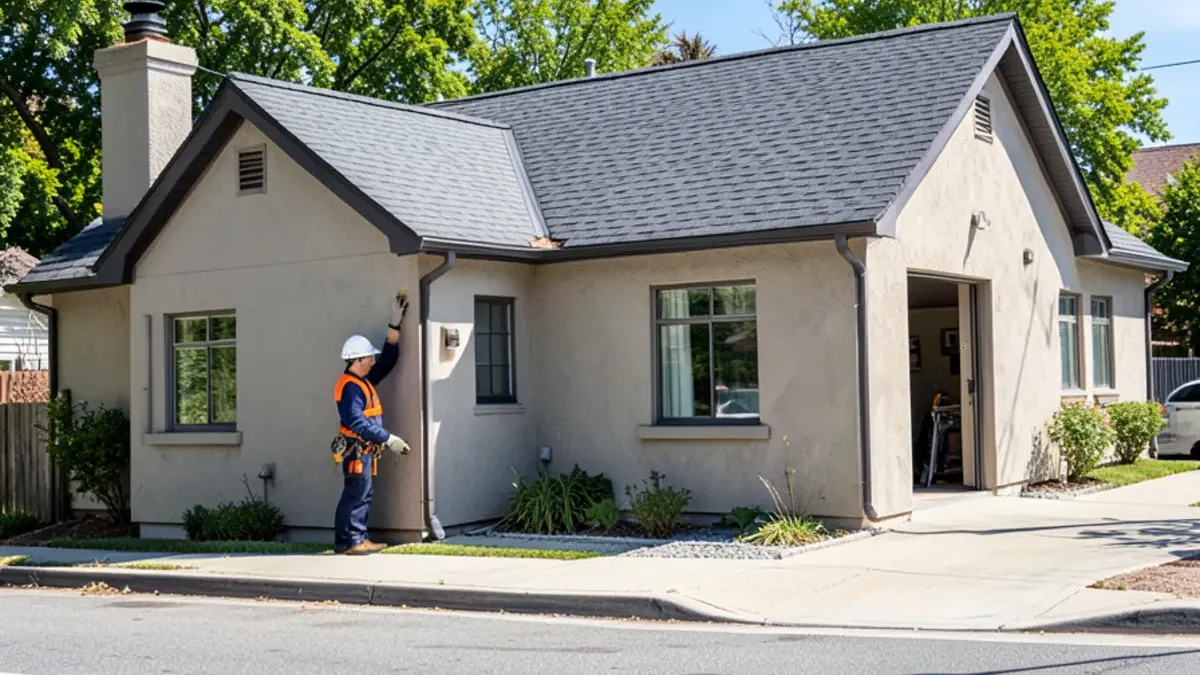
A new roof in Alameda is priced by the square, which is 100 square feet of roof, and the final number depends on seven factors: size, pitch, number of old layers, decking condition, material, access and extras like skylights and vents. Published ranges for a full roof are wide, from about $8,500 to well past $35,000, and only the figure on your written estimate applies to your house.
What do published sources say a new roof costs?
Third-party ranges give a starting frame, not a quote. One 2026 Alameda-area pricing guide lists a full roof anywhere from $8,500 up past $35,000. Build-folio's 2026 Oakland calculator lists $18,377 to $24,864 for a 2,286 square foot asphalt shingle roof, which it builds from about $6.75 per square foot, or roughly $675 per square. The same page notes that tear-off and disposal commonly run $1 to $2 per square foot, and its own FAQ gives a lower asphalt range, so treat the figures as approximate.
Those numbers describe different roofs, so do not compare them with your neighbor's bill. A low, simple gable and a steep, cut-up hip roof of the same square footage can be priced very differently. Only a written estimate for your own roof gives you a figure to budget from.
How do the published totals convert to a per-square price?
Divide the total by the roof area in squares, where one square is 100 square feet of roof. This shows how far apart the published figures sit:
| Source | Roof size | Published total | Roughly per square |
|---|---|---|---|
| Homeyou, 2026 | 1,282 sq ft (12.8 squares) | $6,248 to $8,056 | $487 to $628 |
| Build-folio, 2026, Oakland | 2,286 sq ft (22.9 squares) | $18,377 to $24,864 | $804 to $1,088 |
That is our arithmetic on third-party totals, not a quote. The gap shows why a per-square price means little without scope behind it: one source counts a small simple roof, the other a larger Oakland benchmark.
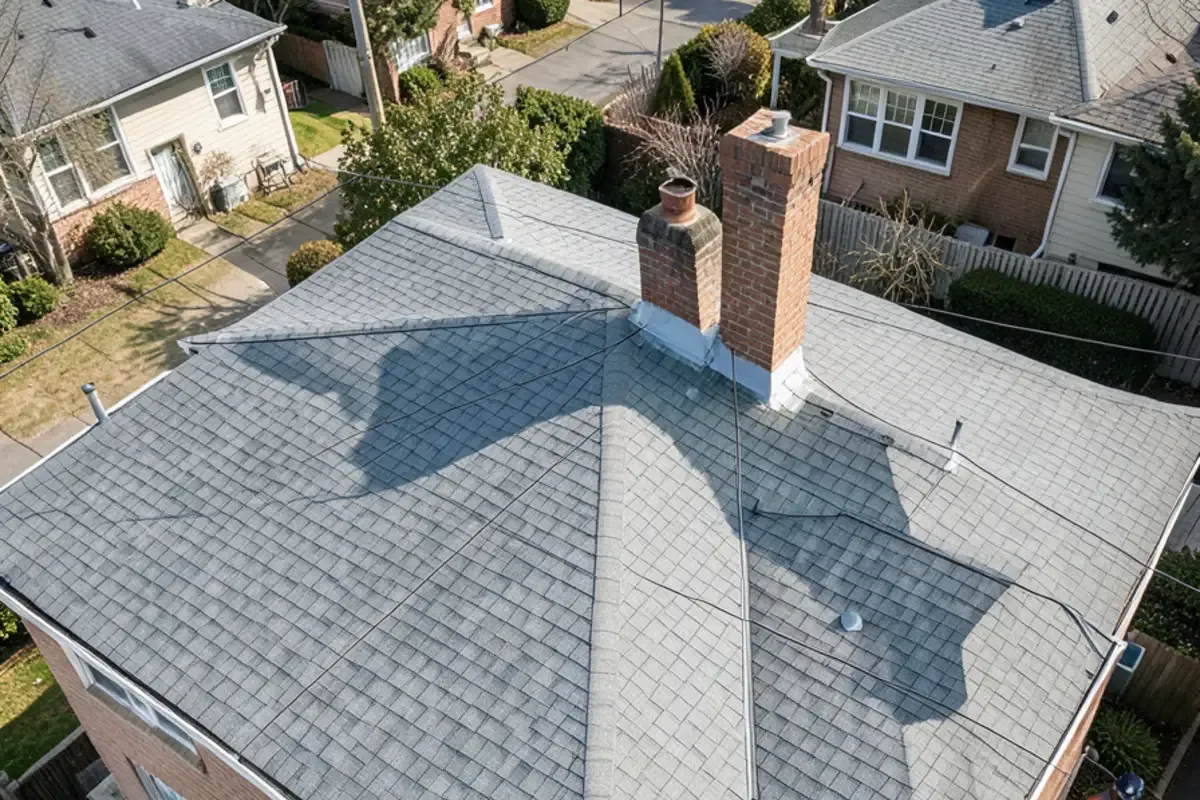
Roof area is also bigger than the footprint of the house. A roof pitched at 6:12 has about 12 percent more surface than the floor area under it, and steeper pitches add more. A 1,500 square foot house footprint can carry well over 1,600 square feet of roof, before eaves are counted. An estimate built from the footprint alone will miss it, which is why aerial measurements matter on steep or multi-plane roofs.
Which seven factors move the price most?
| Factor | Why it matters |
|---|---|
| Roof area | More squares means more material, labor and disposal |
| Pitch | Steeper roofs need more safety gear and slow the crew |
| Layers to remove | A roof with two layers has to be torn off entirely |
| Decking | Rotted or aged boards are replaced at extra cost |
| Material | Composition shingle, tile and metal price very differently |
| Access | Tight lots, trees and fences affect staging and disposal |
| Extras | Skylights, vents, flashing, gutters and fascia add line items |
Alameda is an older city. About 31.9% of homes were built in 1939 or earlier according to Point2Homes, with a median construction year of 1965, so many roofs sit on old decking and have more than one layer. California Building Code rules do not allow a new covering over a roof that already has two or more applications, so a two-layer roof means tear-off.
How do tear-off and decking change the quote?
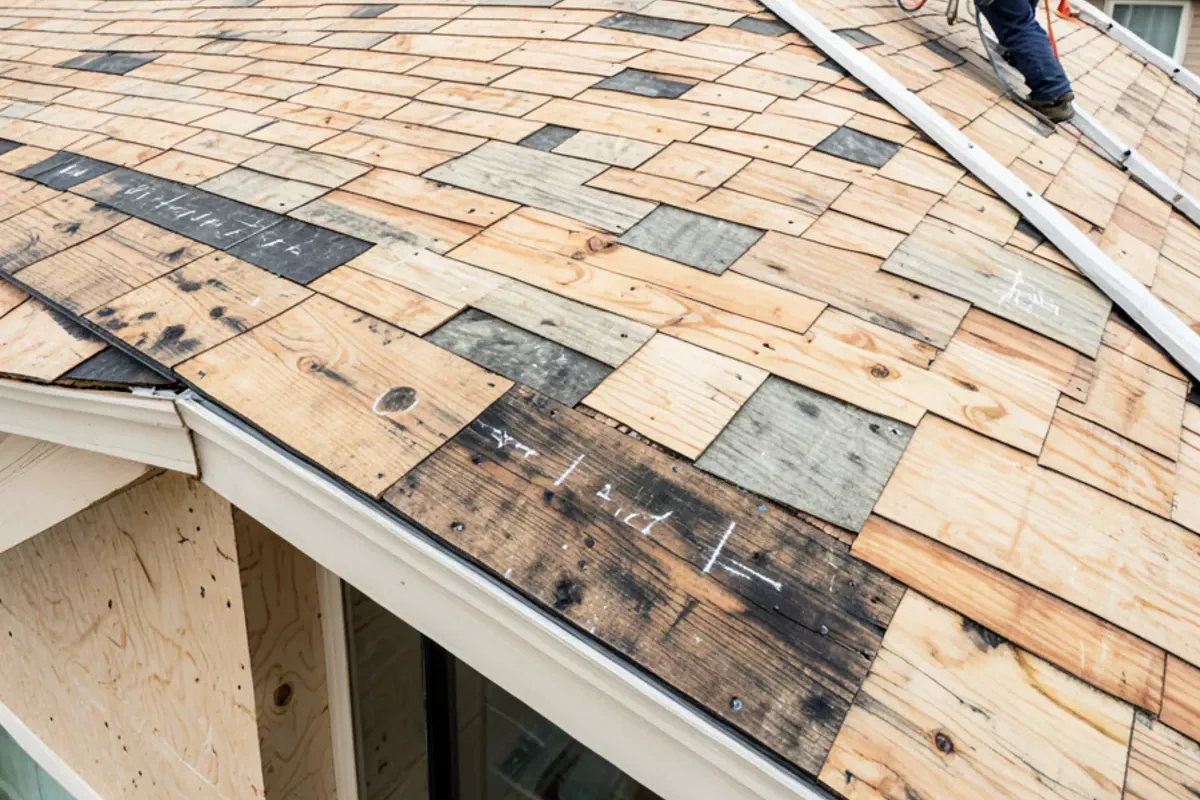
Tear-off is where an estimate gets confirmed or corrected. Until old roofing comes off, nobody can see the decking beneath it. A good estimate states an allowance for replacing bad boards and explains how extra decking is billed.
On one Alameda job, aged decking was found at tear-off and handled through a change order that was explained before work continued. On another, issues found mid-job were raised before moving forward. That is the behavior to look for: surprises are priced in writing, not argued afterward.
Does material choice change the price?
Yes, and the biggest decision is usually shingle versus something else. Asphalt shingle roofing is a common choice for Alameda bungalows and ranch homes because of its lower cost and fast install. CSLB's roofing guide gives an average life expectancy of 15 to 20 years for a typical residential roof, and site conditions change that.
Color is a small decision with a practical side effect. One Alameda customer was advised on a lighter color to keep a sunroom cooler. Alameda sits in California Climate Zone 3, outside the Title 24 cool roof requirement for single-family reroofs, so a cool roof is an option here, and the local building department has the final word.
What should a line-by-line estimate list?
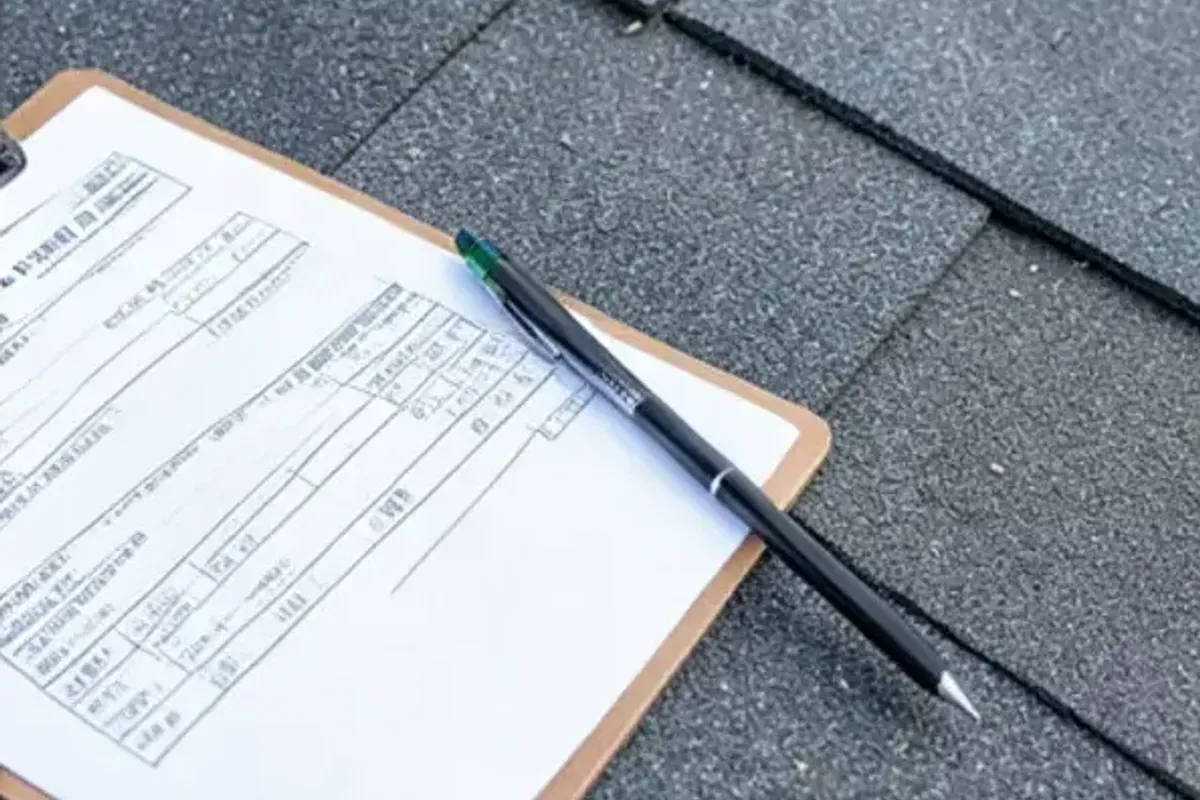
An estimate you can compare lists every component, not a single lump sum. Check that it names these items before you sign anything:
- Tear-off of all existing layers, with the count of layers found and disposal
- Decking: allowance for replaced boards and the price per sheet or board beyond it
- Underlayment type and where it is applied
- Drip edge, step flashing and valley or wall flashing
- Vents, pipe boots and any attic vent replacement
- Shingle line or other material by name, color and any manufacturer warranty that comes with it
- Skylights, chimney work and gutters if included
- Permit: who pulls it, and who pays
- Cleanup, magnet sweep and haul-away
- Payment schedule that stays behind the work
Timing is part of the price too. Rain falls on about 66 days a year in ZIP 94501, almost all of them from October through April, so a dry-season tear-off keeps the open deck out of the weather and avoids the cost of tarps and delays. Crews also book up before the rains arrive, which is a reason to ask for estimates in late summer. For the process behind a full job, see new roof installation.
What about permits, timing and the extras?
Permits and timing belong in the estimate. The City of Alameda says permits are needed for most construction work and that work that changes the exterior may also need Planning design review. A third-party Alameda County guide says roof work over about 200 square feet generally needs a permit, so confirm with the Permit Center. The estimate states who pulls the permit, and you should confirm that in writing.
Timing varies. Past Alameda customers reported reroofs finished in one day on several homes, about 10 hours on one, and a couple of days on others. A metal roof with a shingle tear-off took about a week. Extras also show up on the bill: vents were replaced in one reroof, a skylight was replaced with another, and gutters were added after a third.
What a written estimate looks like for us
Past customers describe detailed written quotes, estimates by the next day, and aerial photos used to measure steep or multi-plane roofs. A metal roof estimate on one job was done from satellite images and GPS. Free inspections and estimates are what customers report.
Compare estimates on scope, not just the bottom line. CSLB advises at least three bids and a written contract, a down payment of no more than 10 percent or $1,000, whichever is less, and no payments that run ahead of the work. Warranty and payment terms belong in a written contract, and we would rather you ask before you sign than after.
Nothing replaces your own roof's numbers. Ask for the price per square, the decking allowance and the exact scope, and then compare line by line. Alameda homeowners can start at the home page, and the roof replacement section has material and process pages. Request a free estimate and the written quote becomes your budget.