
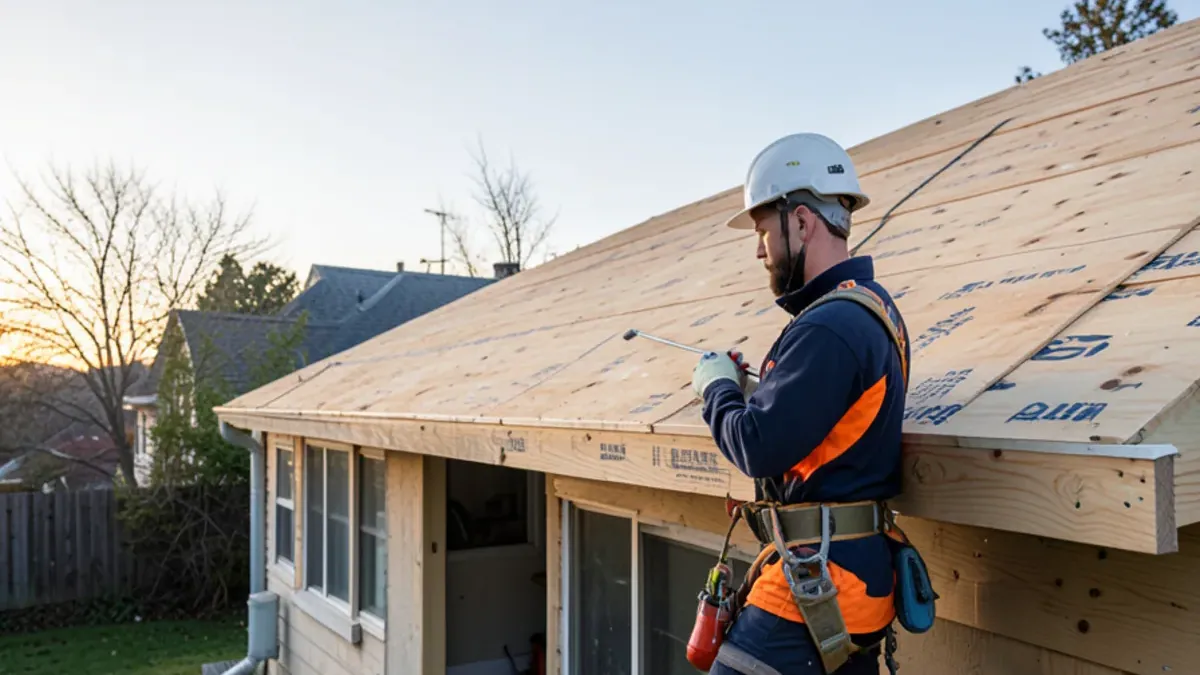
New roof installation in Alameda: what counts as new?
A new roof installation is any roof built on framing that has no existing covering. That includes a backyard ADU, a detached garage, a carriage house and an addition off the back of a bungalow. The roofing sequence is the same as on a reroof, minus the tear-off, but the scheduling and the junctions with older structures need more attention.
Alameda's older housing stock makes that attention worth it. Point2Homes reports that 31.9% of Alameda homes were built in 1939 or earlier. Many lots carry a main house, a rear garage or a former carriage house, and new work often sits right beside a roof from another era.
What a new roof installation includes
The quote should list each of these by name:
- Plan review for slope, rafter spacing and sheathing type
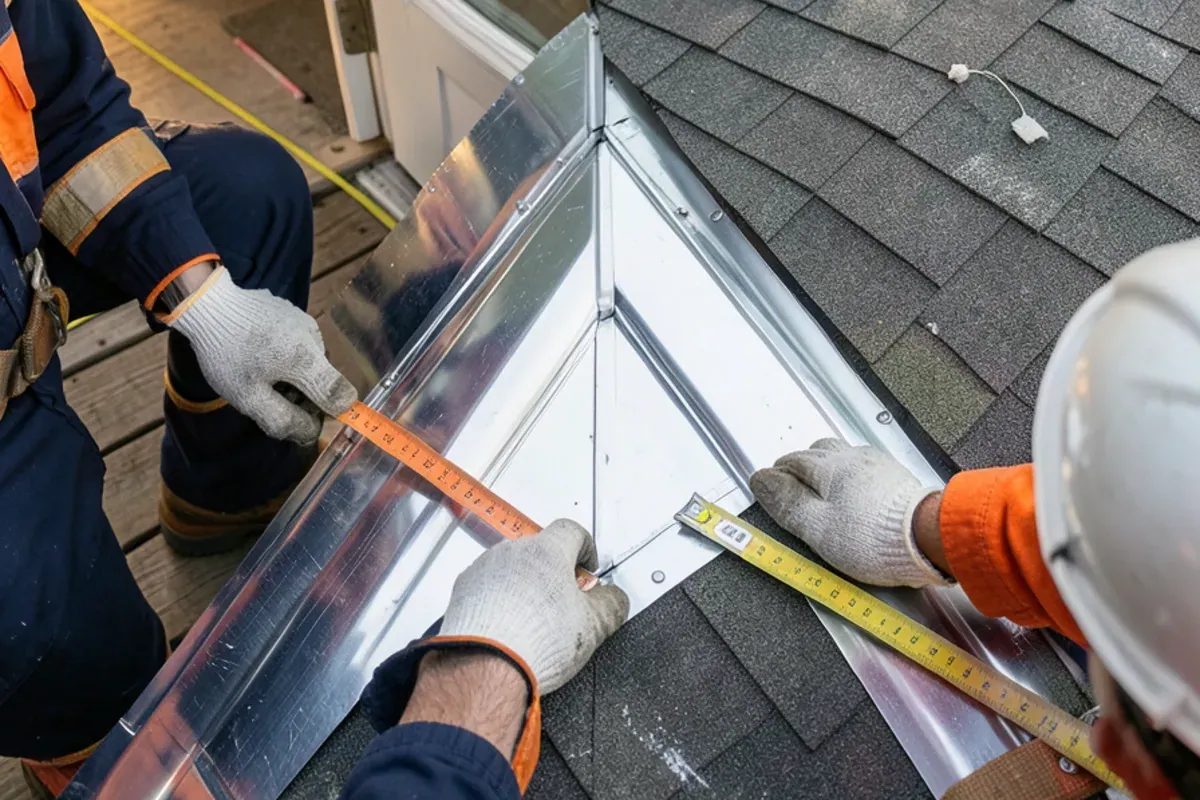
- Underlayment, drip edge and flashing at every wall, valley and penetration
- The roofing system chosen for the structure, installed to the manufacturer's pattern
- Vent flashings and ridge details, with ventilation matched to the plans
- Gutters and downspouts where the estimate lists them
- Cleanup and a walkthrough with a site supervisor
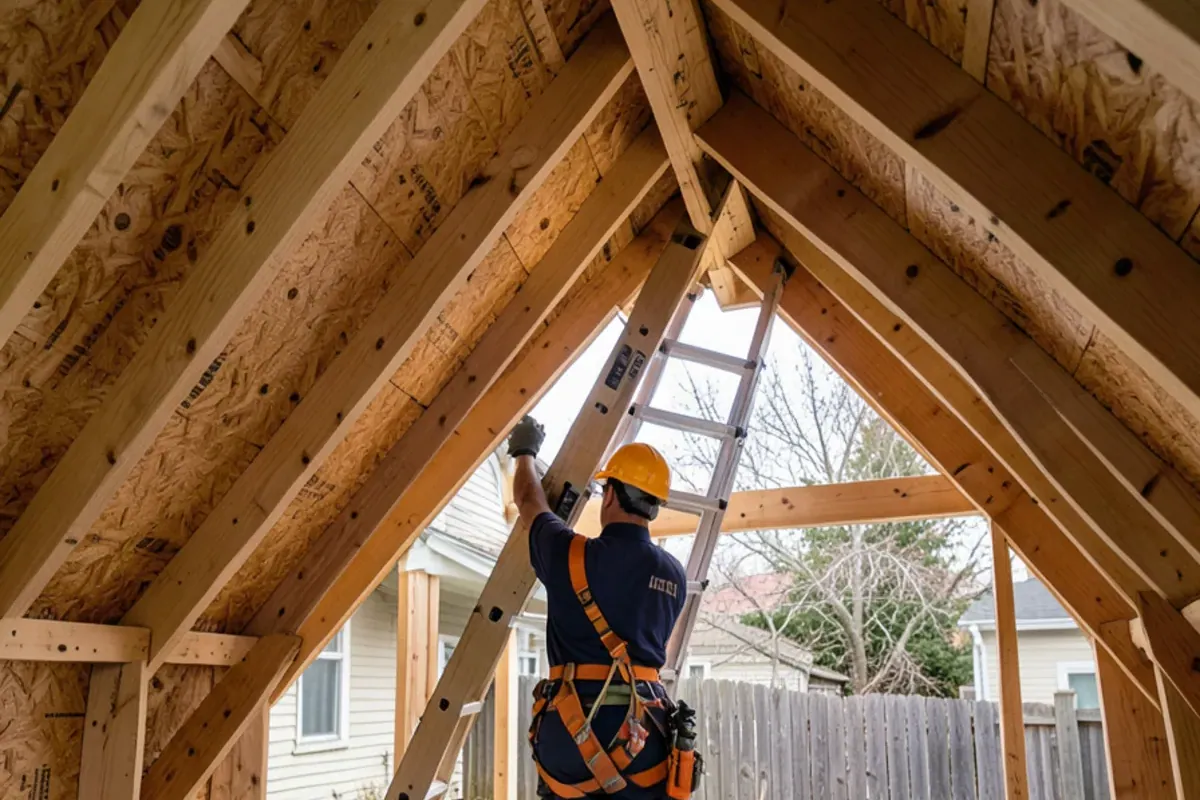
What roof system fits each structure?
Choose the system from the slope on your plans, then from how the roof will be seen. The table below is our starting point; we confirm every choice against your drawings.
| Structure | Typical slope | Common system |
|---|---|---|
| ADU or addition matching a main house | 4:12 to 8:12 | Asphalt shingle roofing |
| Detached garage or carriage house | 4:12 to 12:12 | Shingle or metal roofing |
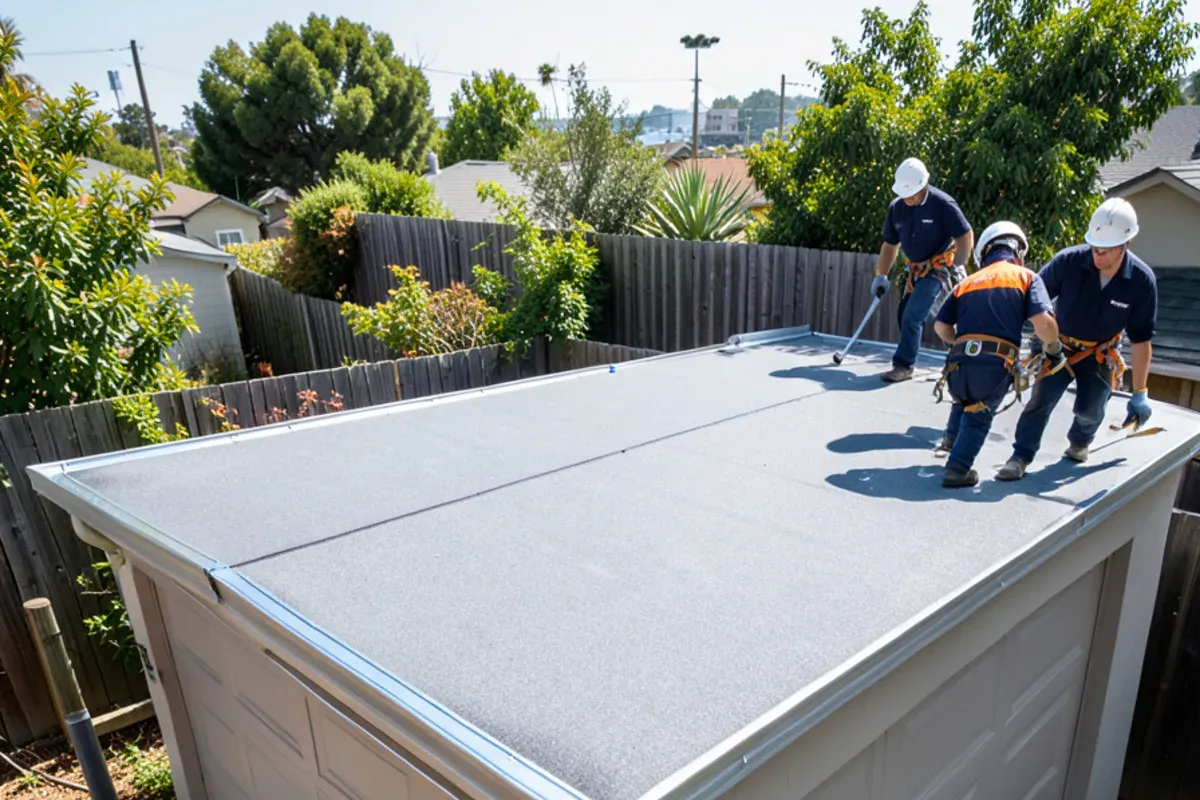
| Modern ADU with shed roof | 1:12 to 3:12 | Membrane or built-up roofing |
| Flat bulkhead or deck cover | Under 2:12 | Built-up or membrane |
Composition shingles are generally limited to slopes of 2:12 or steeper, and the low end of that range needs special underlayment. Below it, the membrane becomes the real waterproofing and the system changes. If your designer has drawn a very low shed roof, call us before the plans go to the Permit Center, not after.
Roof installation sizing and design decisions
Four decisions come before the first material order. Settle them with your designer or builder early.
- Overhang and drip edge. Deeper eaves keep water away from stucco and siding, but they must clear property-line setbacks.
- Valley and tie-in design. An open metal valley sheds debris well. A woven valley looks cleaner but traps needles under trees.
- Ventilation. Attic spaces need intake and exhaust areas sized to the roof, so check what your plans call for before the sheathing closes.
- Gutter and downspout routing. Plan where water goes before the fascia is closed up.
How the installation process works
Because the framing crew finishes before we start, the order matters. Here is how a new-structure roof runs.
- Plan review. Send your drawings. We confirm slope, rafter spacing, sheathing type and any manufacturer requirements.
- Written estimate. You receive an itemized quote with the roofing system, flashing, vents and any gutters listed. Aerial photos help where the tie-in is tricky.
- Permit check. The estimate states who pulls the permit. On most projects it is covered by the building permit your builder holds.
- Sheathing inspection. Roofing starts after the framing inspector clears the sheathing.
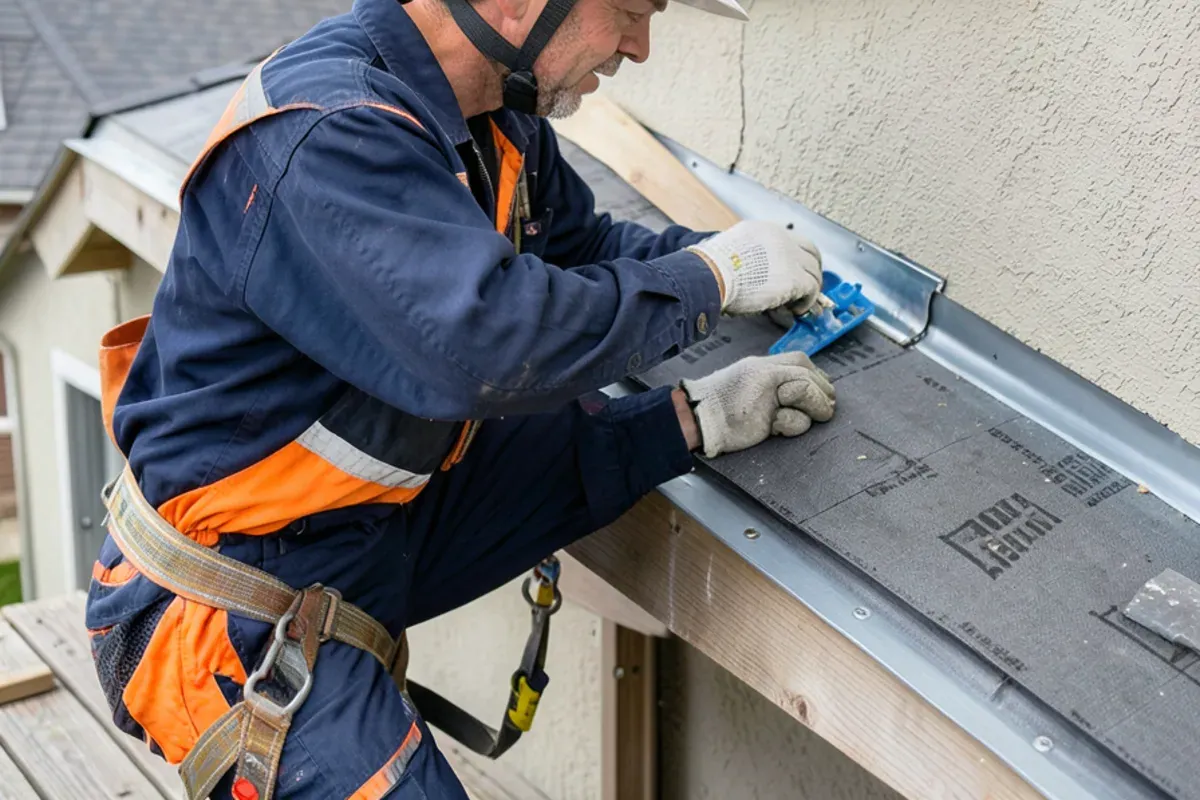
- Dry-in. Underlayment, drip edge and flashing go on first so the structure is protected from the first rain.
- Roofing installation. Shingles, panels or membrane follow, with ridge caps and vent flashings last.
- Final cleanup and walkthrough. Debris is hauled, gutters are cleared, and the site supervisor walks the roof with you.
Do I need a different roof on the addition than on the old house?
Not necessarily, but the two should work together. If the old roof is within a few years of the end of its life, the cleanest answer is to replace both at the same time, because a new tie-in against worn roofing fails at the old edge. A full reroof also lets you pick one color and one flashing detail for the whole house. If the old roof is sound, we match slope, ridge height and color as closely as the product line allows.
What does new roof installation cost?
We do not publish a flat price because the roof area, slope, material and complexity differ with every structure. Published ranges give a sense of scale: Homeyou's 2026 figures show $6,248 to $8,056 for a 1,282 sq ft composition shingle roof, and a 2026 Alameda pricing source lists $6,000 to $18,000 for flat or built-up roofing. Those are third-party numbers, not a quote.
Factors that move the price on a new structure:
- Roof area and number of planes
- Pitch and the access for materials
- Chosen system: shingle, metal or membrane
- Number of penetrations such as vents, skylights and flues
- Gutters, fascia and soffit work
- How many trips the schedule requires if framing runs late
Your written estimate is the number to hold us to, so ask for it in itemized form.
Permits, setbacks and licensing for new roofs
The City of Alameda Permit Center says most construction work needs a permit, and a new structure's roof normally sits inside the project permit. Ask in writing who is responsible for it. Overhangs must also clear property-line setbacks, which City planning staff can confirm. California requires a C-39 Roofing classification from the Contractors State License Board, so check any bidder's license number at cslb.ca.gov.
Serving new roof projects across the East Bay
New roof installation work is based out of 1910 Webster St in Alameda. The drive to Oakland is about 12 minutes, Berkeley about 18, San Leandro about 24, and Hayward about 31. Those are estimates, and bridge approaches can add time at rush hour.
Caring for a brand-new roof
Check the new roof after the first heavy rain and again before next winter. Look for loose ridge caps, exposed nails and debris in valleys. Keep tree limbs trimmed back from a new ADU roof, because small structures have less tolerance for a trapped leaf pile. Keep your permit sign-off, product records and warranty paperwork in one folder.