
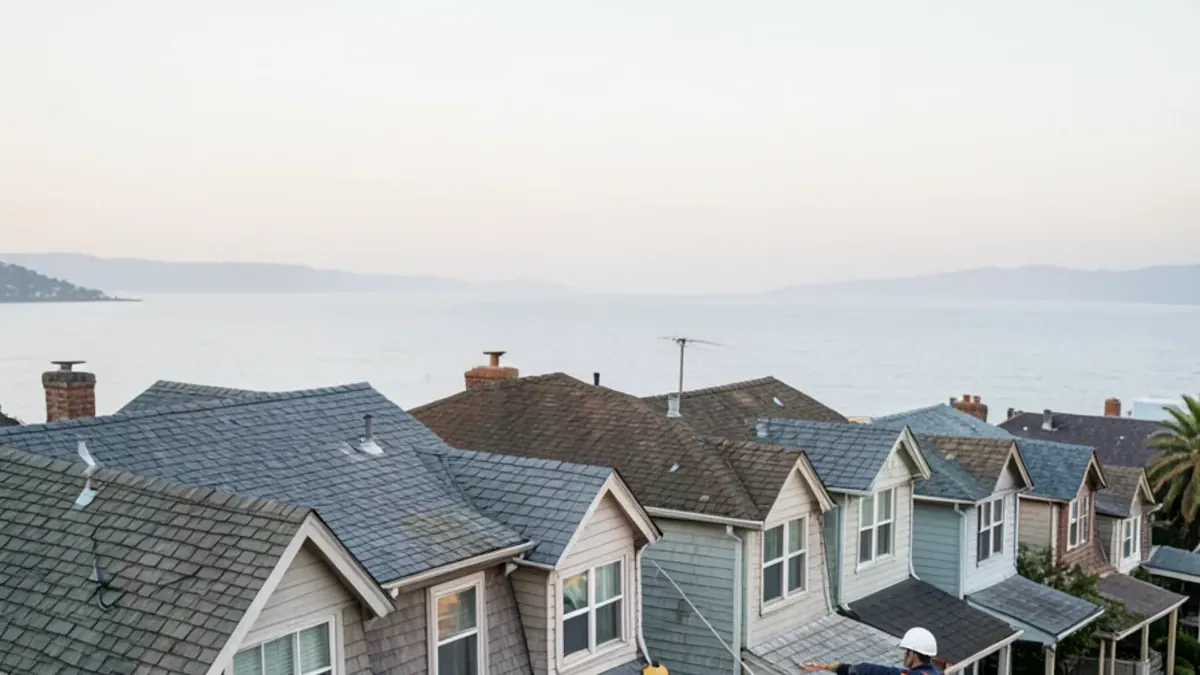
Salt air does not wear out most roofing surfaces, but it corrodes the metal that holds them together. On an island roof, the nails, flashing, vent boots, gutters and cut metal edges are what salt attacks first. If those parts fail early, the roof leaks long before the shingles or panels have reached the end of their service life.
What salt does to a roof
Alameda sits in San Francisco Bay, and sea spray and fog carry salt onto roofs. The salt settles on exposed metal, picks up moisture from the damp air and speeds up rust. Alameda gets about 22 inches of rain a year, almost all from October to April (BestPlaces), and rain helps by washing salt off the surfaces it reaches. Eaves, underlaps and sheltered metal stay salty and wet.
Four failures account for most of it:
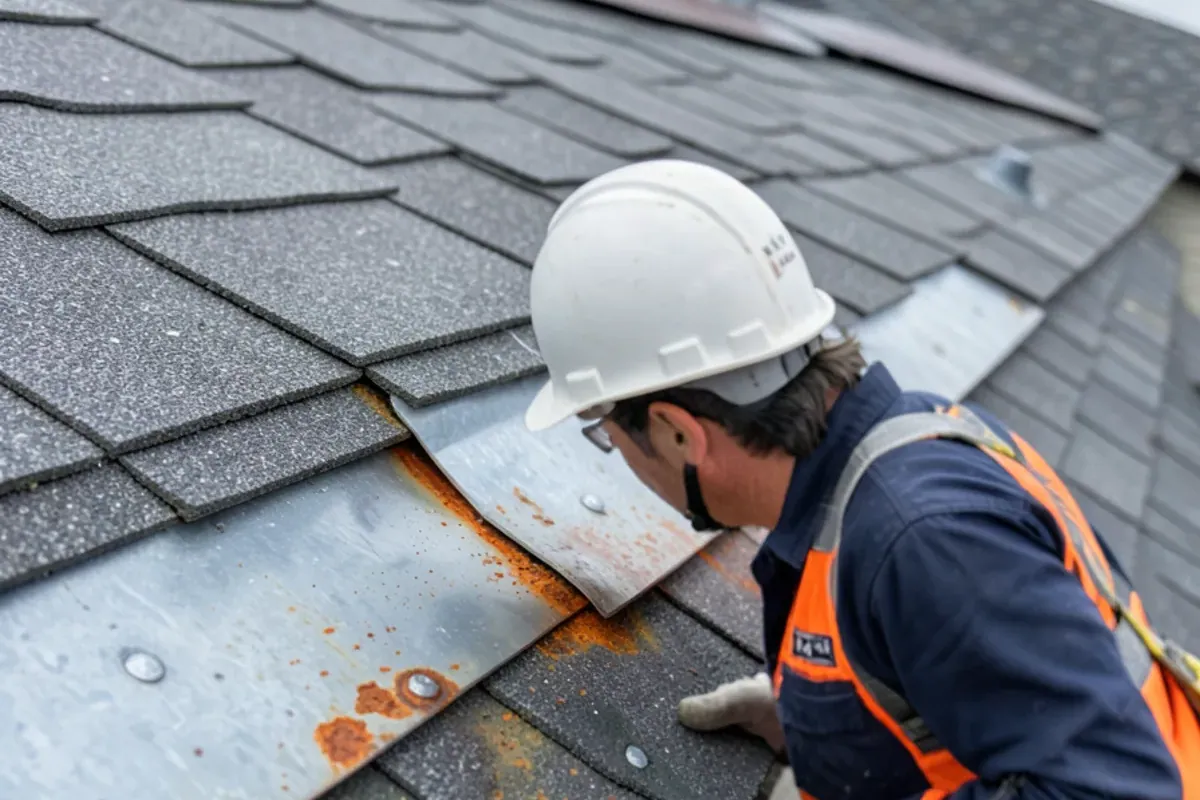
- Rust at exposed fasteners, which stains the roof and weakens the hold
- Pinholes in thin flashing and valley metal
- Gutter hangers and screws that rust through while the trough looks fine
- Paint and coating loss at cut edges and scratches on metal panels
Which parts fail first?
Fasteners and flashing come first, and the order is predictable. Nail heads that sit exposed under a lifted shingle tab corrode. Vent boots with metal collars stain and crack. Step flashing near a wall holds moisture, so rust begins there.
Different metals touching each other make it worse. Copper next to galvanized steel or aluminum sets up a galvanic reaction, and the less noble metal corrodes. Check the order of metals before accepting any flashing detail, particularly around gutters and chimneys.
Which materials stand up best near the bay?
The answer depends on the part, not just the roof type.
| Part | Weak choice | Better choice |
|---|---|---|
| Roofing nails | Plain steel | Hot-dipped galvanized or stainless steel |
| Flashing and valley metal | Thin bare steel | Heavier gauge, coated metal, aluminum, copper or stainless |
| Metal roof panels | Bare or thinly coated steel | Aluminum or steel with a salt-rated paint coating |
| Screws on metal roofs | Standard zinc-plated | Stainless or coated with sealing washers |
| Gutters and hangers | Thin steel | Aluminum or coated gutters with stainless screws |
Stainless fasteners cost more but are a small part of a reroof budget. Ask for them by name and put them in the contract.
Are metal roofs a good choice on an island?
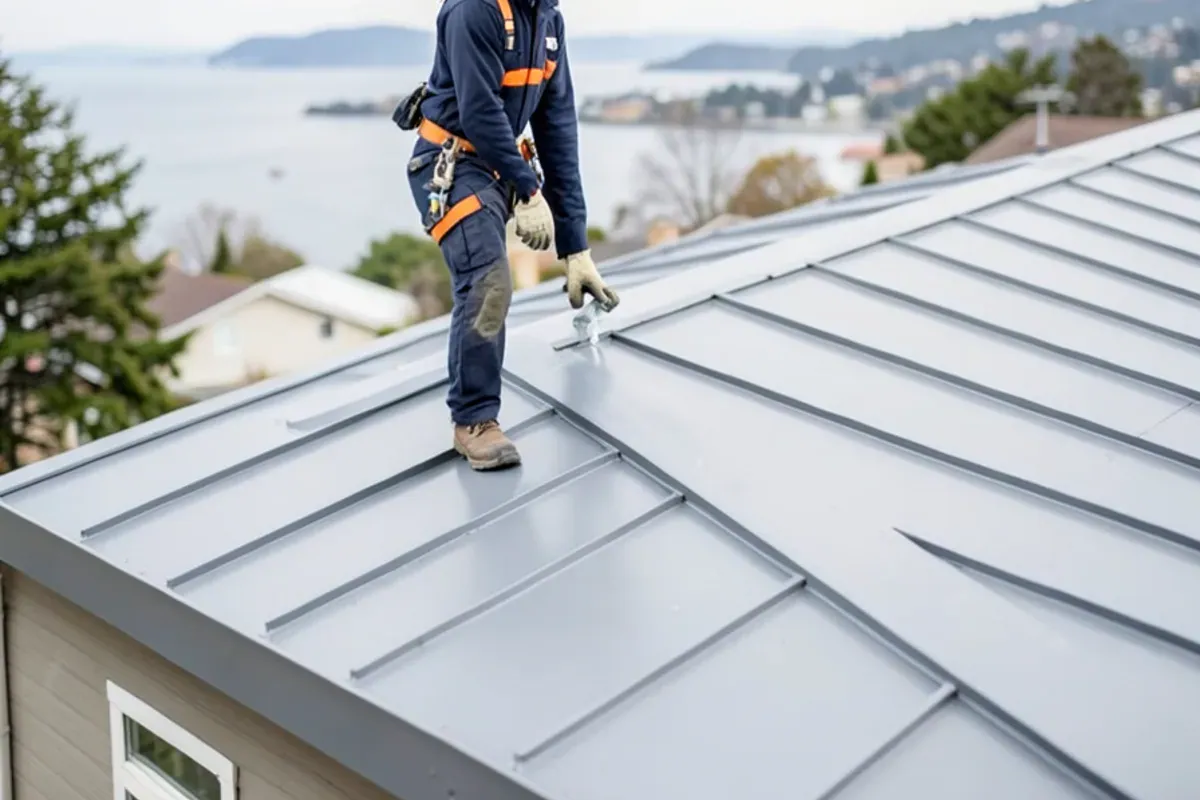
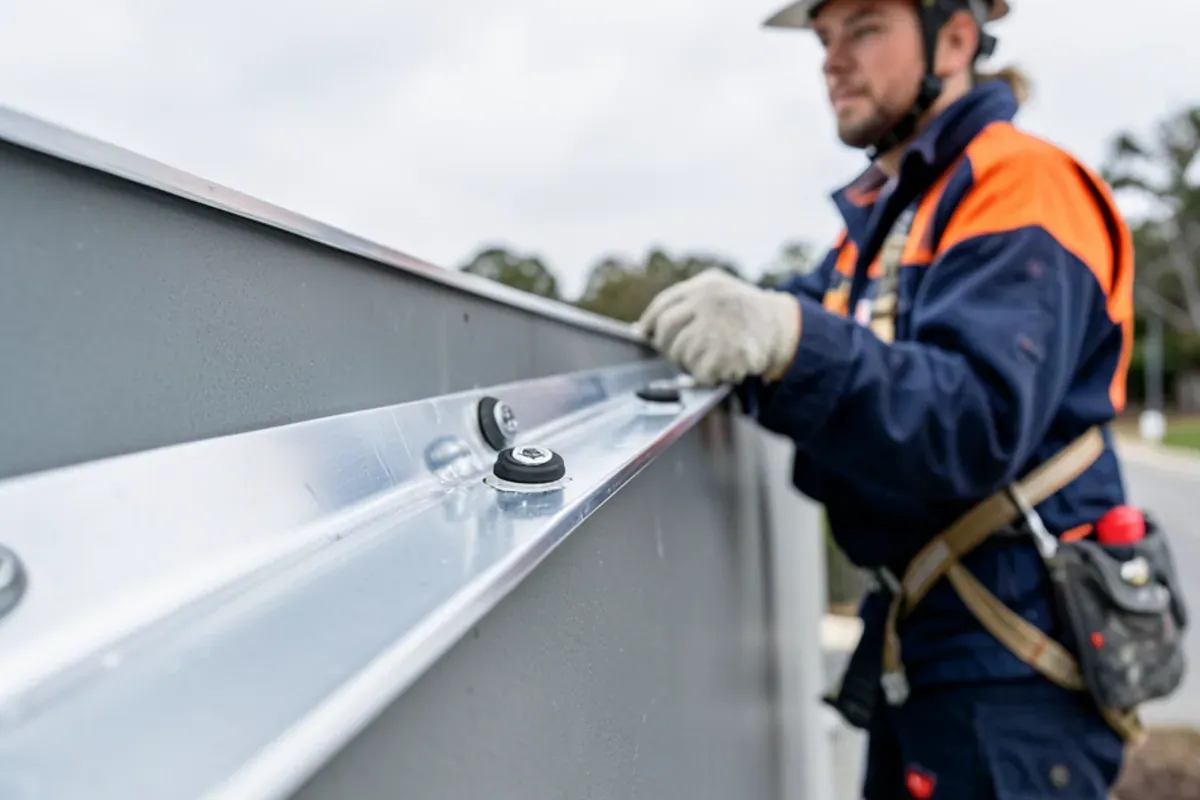
A metal roof can last well near water if the panel and coating are right for salt exposure. The risk is at cut edges, scratched paint and exposed screw heads, which is why concealed-fastener standing seam panels tend to fare better than exposed-fastener panels. Past Alameda customers include a roof where shingles were removed and a metal roof installed, and another job where screws on a metal roof had to be replaced. Fasteners are the part that wears.
Read the panel warranty carefully. Some manufacturers limit or exclude coverage within a set distance of salt water, and the distance varies. Get the warranty terms written into your contract, and read the salt-exposure clause before you sign. For more on options, see our page on metal roofing.
What do published fastener rules say?
For asphalt shingles, we found no single published rule that sets a fastener grade for island roofs, so the shingle maker's installation instructions and warranty are the document to read. Cedar roofing is stricter and shows how seriously the trade takes salt. The Cedar Shake and Shingle Bureau requires Type 316 stainless nails within 15 miles of salt water and accepts Type 304 stainless or hot-dip galvanized nails farther inland. Every Alameda address sits well inside that distance.
Type 316 contains molybdenum, which is why it resists salt better than 304. The price gap per nail is small, but across a whole roof the cost is real, and that is the trade-off. A practical middle path on a shingle roof is stainless or hot-dip galvanized nails in the field, with stainless at the ridge, hips and edges, where wind lifts the covering and moisture sits.
What belongs in the contract for a bayside roof?
Put the materials in writing, line by line. Salt-air performance comes down to details that a one-line estimate hides.
- Nail type and grade for the field, ridge and edges
- Flashing metal and gauge for valleys, walls and chimneys
- Drip edge material and finish
- Vent boot material, with metal collars sealed or replaced
- Panel coating system and screw type, if the roof is metal
- Gutter material, hanger type and the screws that fix them
- The manufacturer's warranty language on salt exposure, attached
If a line is missing, ask for it. A roofer who cannot say what the flashing is made of has not planned the job.
What we see on island roofs
Field experience points to the details, not the field of the roof. Flashing and gutter faults left by a previous job have been corrected at the same visit as a repair. Gutters have been cleared of junk during a job, which matters because trapped debris holds moisture against metal. Where a roof is old, the first leak is usually at a nail, boot or flashing seam, not the middle of a shingle.
When a visit finds corroded parts, replacing those parts can be the right call, as long as the roof surface is otherwise sound. Past customers have been told to wait rather than replace, and one got advice on keeping old shingles going.
How to check your roof for salt damage
You can look from the ground, and a ladder at the gutter line shows more. Do not walk the roof.
- Look for orange or brown streaks below nails, vents and flashing.
- Check gutters for rust flakes, white crust on aluminum or loose hangers.
- Look at metal panels for chalking, bubbling paint and rust at edges.
- Check the vent boots and chimney flashing for pitting.
- Photograph what you find and compare after the next winter.
For metal panels, follow the panel maker's care instructions, and never use a pressure washer on shingles.
Planning a reroof near the water
Ask four questions of any roofer: what are the nails and flashing made of, what coating do metal panels carry, how is dissimilar metal kept apart, and what does the warranty say about salt exposure. If an estimate is vague on those points, ask for them in writing. Your written estimate is the figure that counts, so fasteners and flashing should appear on it as line items.
To have a roof checked for corrosion, call or request an estimate. We work across Alameda and will look at the metal first. The roof replacement page covers what a reroof includes, and asphalt shingle roofing lists the shingle options. The cities we cover are on the service areas page.