
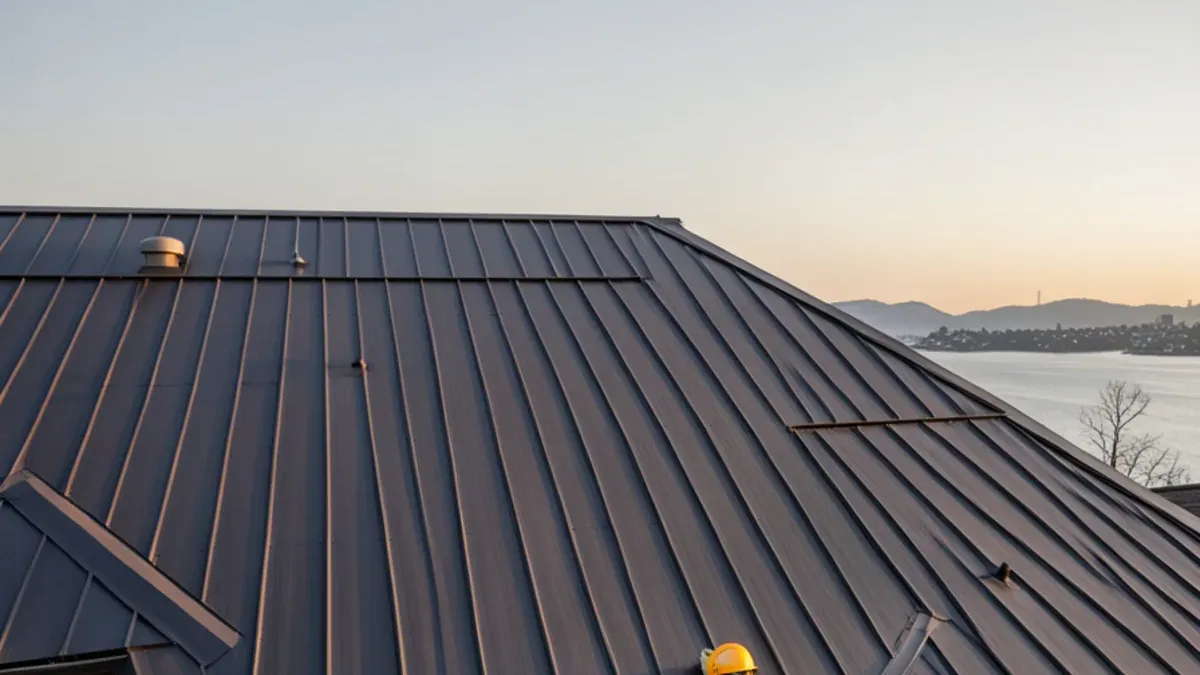
Metal roof installation in Alameda: what is on offer
Metal roofing for homes comes in two families, and the choice between them settles most of the project. Standing seam panels run from eave to ridge with raised, interlocking seams and concealed clips. Exposed-fastener panels, including corrugated profiles, are screwed straight through the face of the panel.
Both are steel or aluminum, both can be painted, and both can last well beyond a shingle roof if the finish and fasteners are right. Industry ranges commonly put metal roofs at 40 to 70 years, and coating, coastal exposure and maintenance change that figure.
What a metal roof installation includes
A metal roof quote should list the panels and every part that touches them. The scope for a typical house runs:
- Removal of the old roofing down to the decking, with soft boards replaced by written change order
- High-temperature synthetic underlayment across the deck
- Panels formed to length in the profile, gauge and finish you chose
- Drip edge, valley metal, and ridge, hip and wall trim
- Flashings for vents, chimneys and skylights cut to the panel profile
- Cleanup, a site supervisor's walkthrough, photos and warranty paperwork
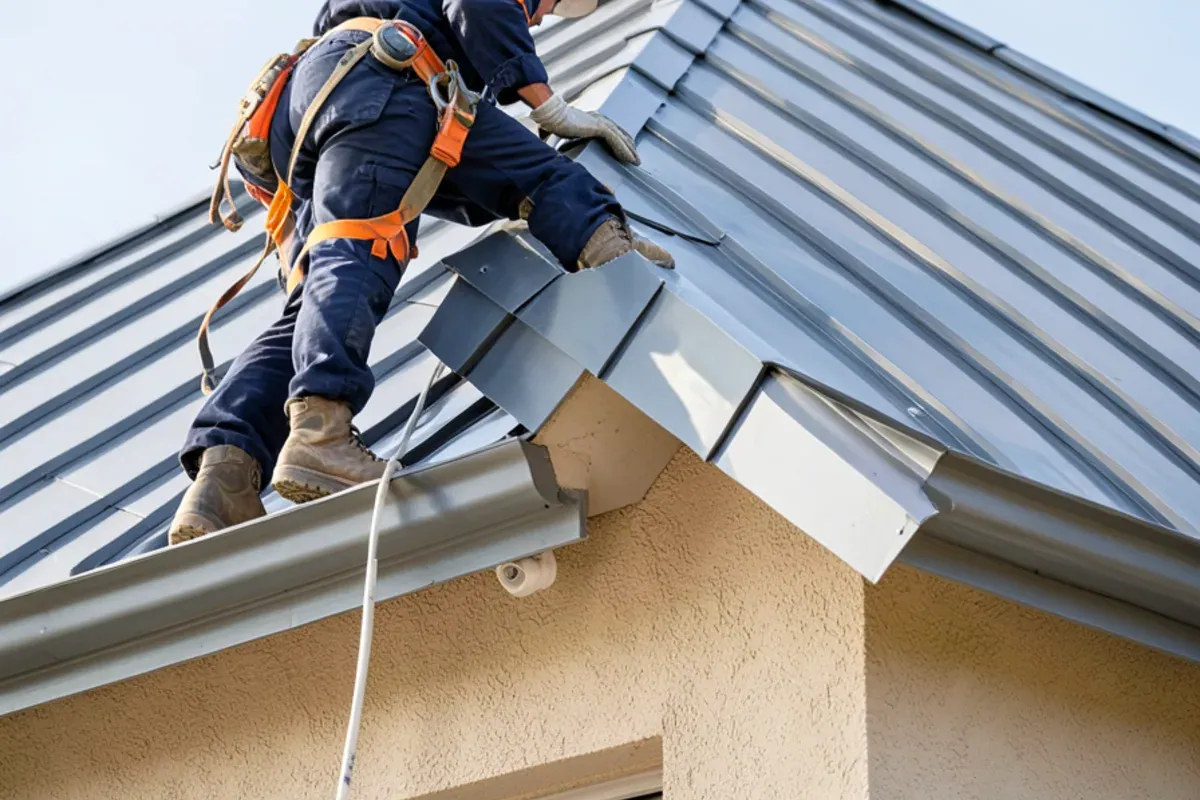
When does a shingle roof tip toward metal?
Metal makes sense when you plan to stay in the house for a long time and want fewer repairs, when shingle problems keep coming back, or when you want a lighter-colored finish for a sunroom. It rarely makes sense on a roof that needs only a patch.
Is metal roofing a good choice near the bay?
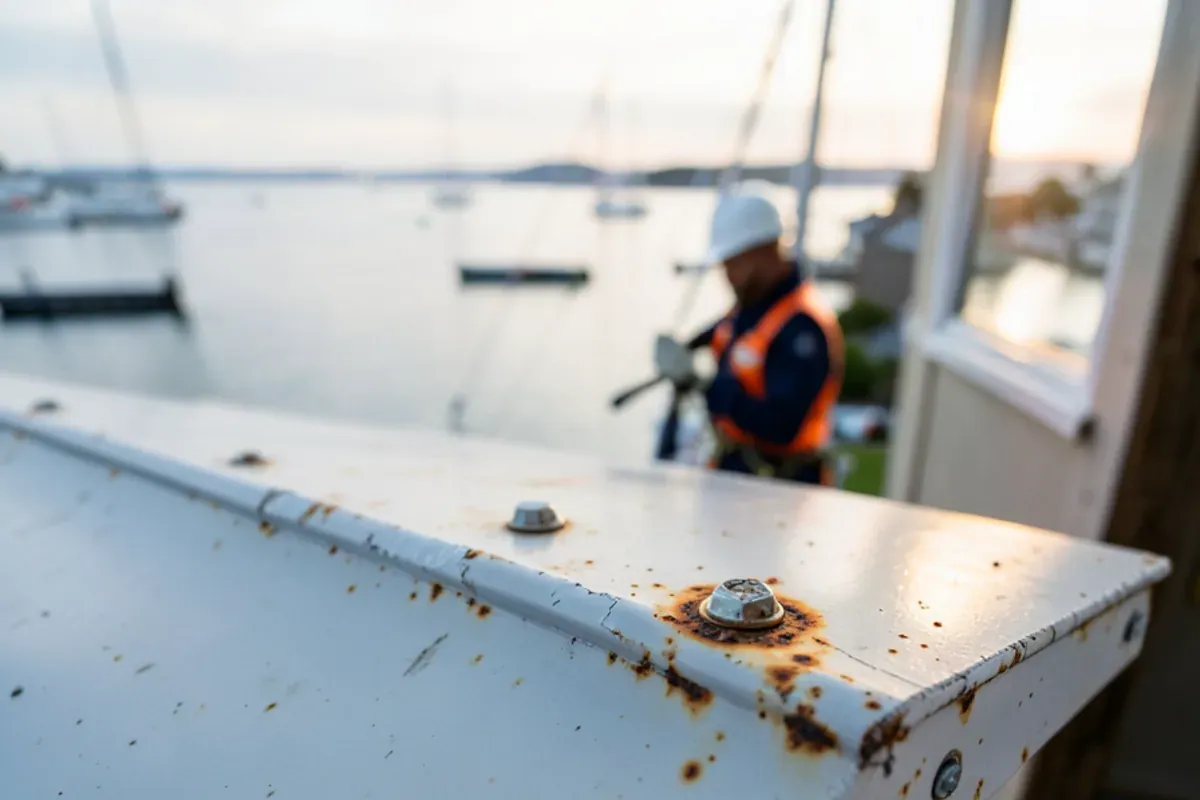
Yes, if you choose the panel finish for salt air. Alameda is an island, and air off the bay carries chlorides that corrode bare steel, cut edges and the cheapest screws. Waterfront and West End properties need the most protective coating. Elsewhere on the island the exposure is lighter.
Ask three questions of any estimate:
- What is the panel substrate and factory finish?
- What are the fasteners made of, and do they have gaskets?
- What trims, flashings and gutters touch the panel, and are the metals compatible?
Dissimilar metals in contact, such as copper gutters on a steel panel, corrode each other quickly in damp air.
Standing seam metal roof or corrugated: how to decide
Standing seam is the better roof, and corrugated is the cheaper one. Standing seam costs more because the panels are formed to length, the seams are mechanically locked and the installation takes longer. It has no exposed screws, so the maintenance list is short.
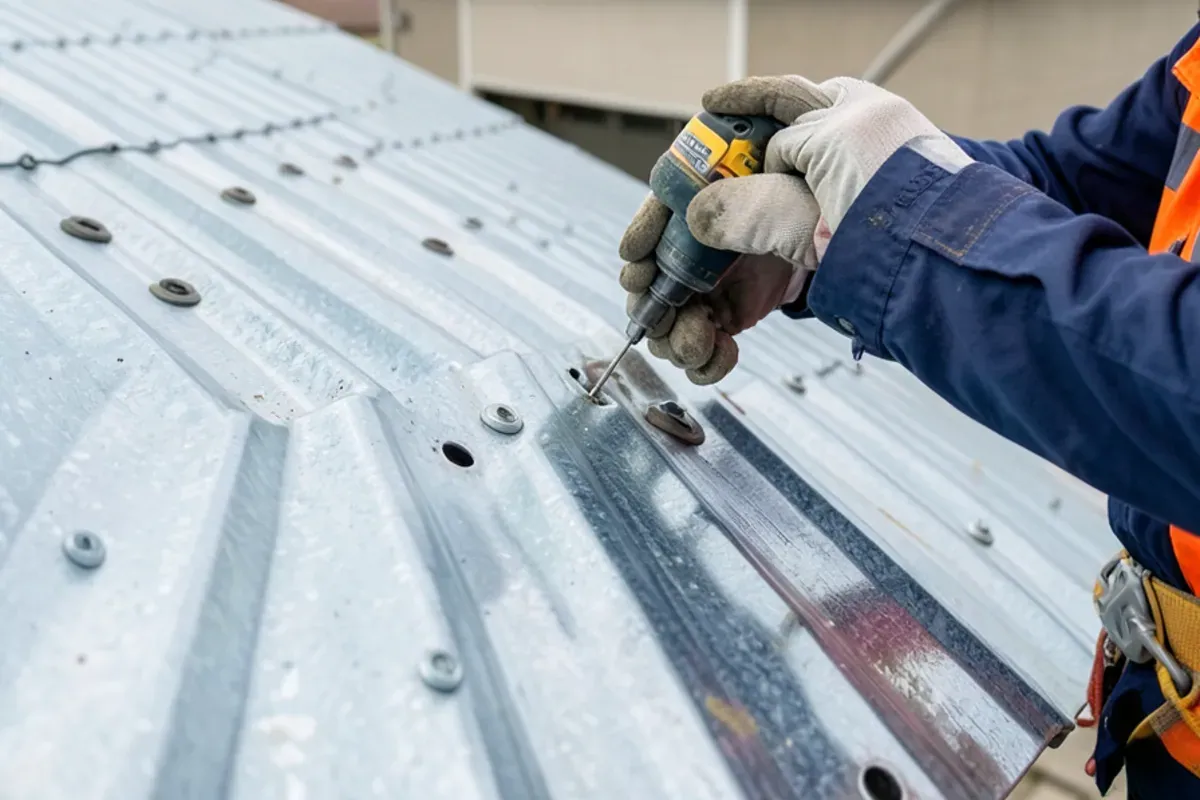
Corrugated and other exposed-fastener panels suit sheds, garages and budget-driven projects. They need periodic screw checks, since gaskets dry out and the fasteners back out as the metal flexes with temperature. An Alameda customer had screws replaced on a metal roof, and that is the typical maintenance call.
A short comparison:
| Feature | Standing seam | Exposed fastener |
|---|---|---|
| Fasteners | Concealed clips | Screws through panel face |
| Upkeep | Low | Periodic screw checks |
| Relative cost | Higher | Lower |
| Best for | Main house, long hold | Garage, shed, budget job |
Metal roof over shingles, or tear-off first?
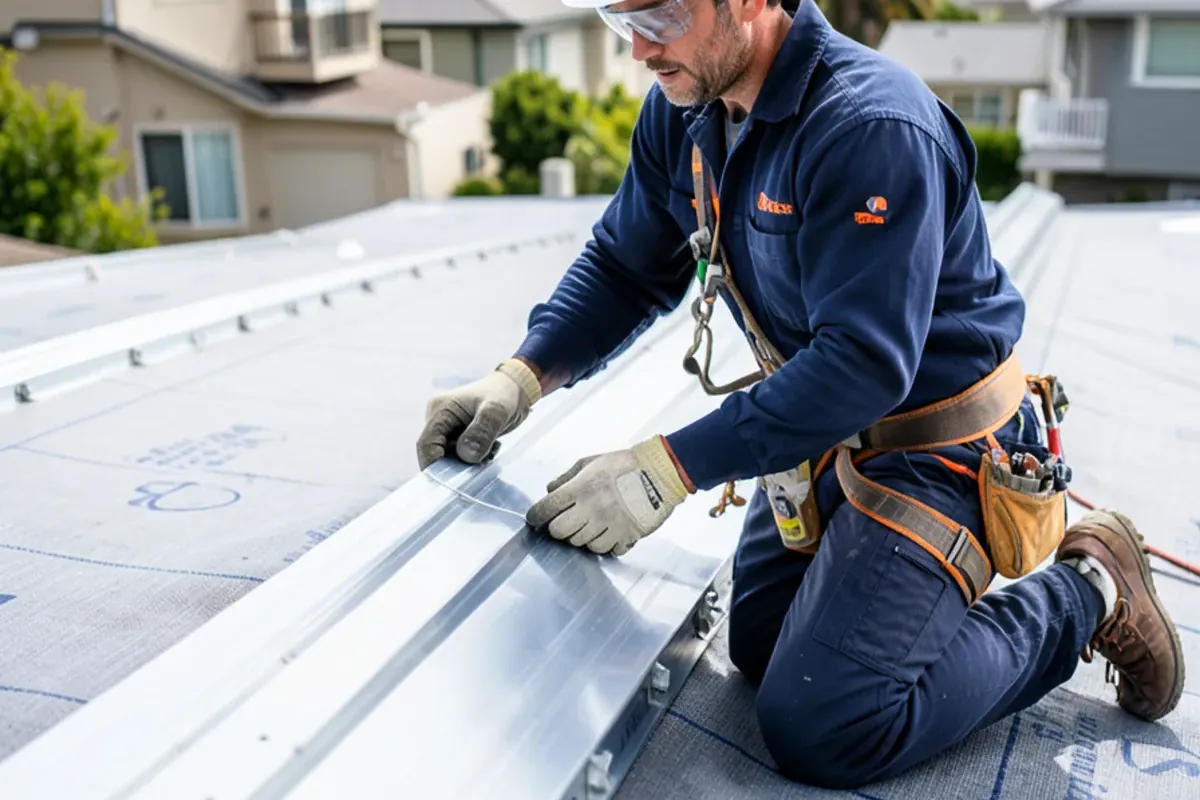
Tear off first. California Building Code reroofing rules in Chapter 15 prohibit a new covering over a roof that already has two or more applications, so a two-layer roof has no choice. A single layer may be allowed, but it hides rotted decking, and metal panels fastened into soft boards loosen. On one Alameda job the shingles were stripped before the metal roof went on, and the whole project took about a week.
How a metal roof installation proceeds
Metal takes more measurement than shingles, so the front of the job is longer.
- Measure and estimate. Satellite images and GPS can produce a metal roof estimate without a climb, as one Alameda customer found. We confirm key dimensions on site.
- Panel and finish selection. You choose profile, color and finish, and the panels and trim are ordered to length.
- Permit confirmation. The estimate states who pulls the permit. Confirm it before you sign.
- Tear-off and decking repair. Shingles come off, soft boards are replaced by written change order.
- Underlayment. A high-temperature synthetic underlayment goes on across the deck, since metal heats the layer beneath it.
- Trim, panels and flashings. Drip edge and valley metal go in first, then panels, then ridge, hip and wall trim.
- Penetrations. Vents, chimney and skylight flashings are fitted to the panel profile.
- Walkthrough. A site supervisor walks the roof with you, and you receive photos and warranty paperwork.
What does a metal roof cost?
We do not publish a figure because metal prices vary widely by panel type, finish and complexity. Expect metal to cost more than composition shingle, with standing seam at the top of the range. What drives your quote:
- Panel type, gauge and finish
- Roof complexity, with more hips, valleys and dormers adding trim and labor
- Tear-off and decking repair
- Fastener and clip type
- Skylight, chimney and vent flashings
- Gutters or other roofline work done at the same time
Your written estimate is the figure that counts. Ask for panel specs on the page.
Permits and licensing for a metal roof
The City of Alameda Permit Center requires permits for most construction work, and the estimate should say who pulls yours. If the house is historic, a change of roofing material alters the exterior and may need Planning design review, so ask before you order panels. The reroofing limit in the California Building Code still applies: two or more existing layers mean a full tear-off. California requires a C-39 Roofing classification from the Contractors State License Board, and you can check any roofer's license number at cslb.ca.gov.
Metal roofing across the East Bay
We install metal roofs on Alameda homes and quote them for nearby cities too. From our Webster St office, Oakland is about 12 minutes away, Berkeley about 18, San Leandro about 24 and Castro Valley about 35, all estimated, and longer at commute hours.
If a metal roof is not the right fit, see tile roofing or our cool roofs page for reflective options that suit Alameda houses.
Looking after a metal roof
Rinse leaves from valleys and gutters, check exposed-fastener screws every few years, and touch up scratches in the finish promptly. Do not walk the panels without the right footwear. Keep your paperwork together.