
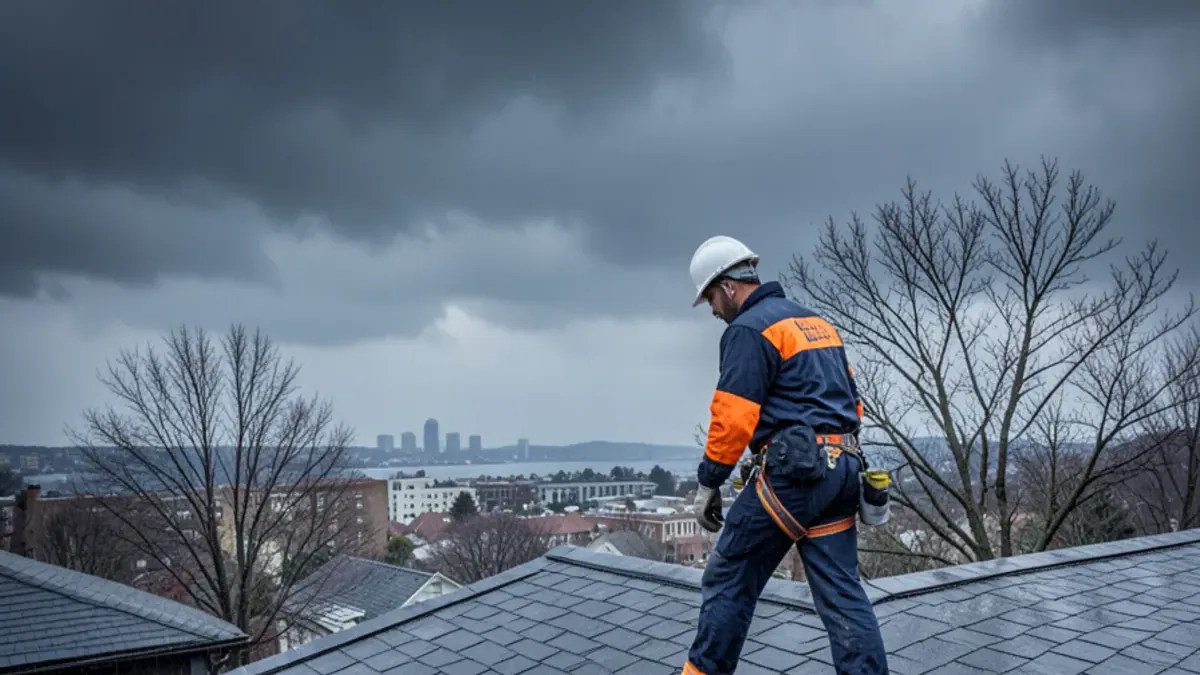
Atmospheric rivers hurt East Bay roofs through duration, not just force: days of rain find every small failure, and wind pulls at shingles that have already lost their seal. A roof that handles an ordinary storm can still leak in the third day of a long one. Check flashing, sealant, gutters and loose shingles before the season starts.
What is an atmospheric river?
NOAA describes atmospheric rivers as long, narrow bands of moisture that carry most of the water vapor outside the tropics. A typical one carries roughly as much water vapor as the average flow of the Mississippi River at its mouth, and the strongest can carry up to 15 times that. Most are weak and bring useful rain. The strongest can stall and cause flooding and mudslides, and NOAA says forecasters can warn of heavy rain as many as five to seven days ahead.
For a roof, that forecast window is the useful part. A week of notice is enough to clean gutters, reseal an exposed nail or call for an inspection.
What does long rain do to a roof?
Water that has days to work gets into places a short shower does not. The main failure points are:
- Flashing at chimneys, walls and skylights, where sealant has dried and split
- Nail heads that have backed out and now lift the shingle above them
- Valleys loaded with leaves, which dam water and push it under shingles
- Aged underlayment and decking that soak through once the surface leaks
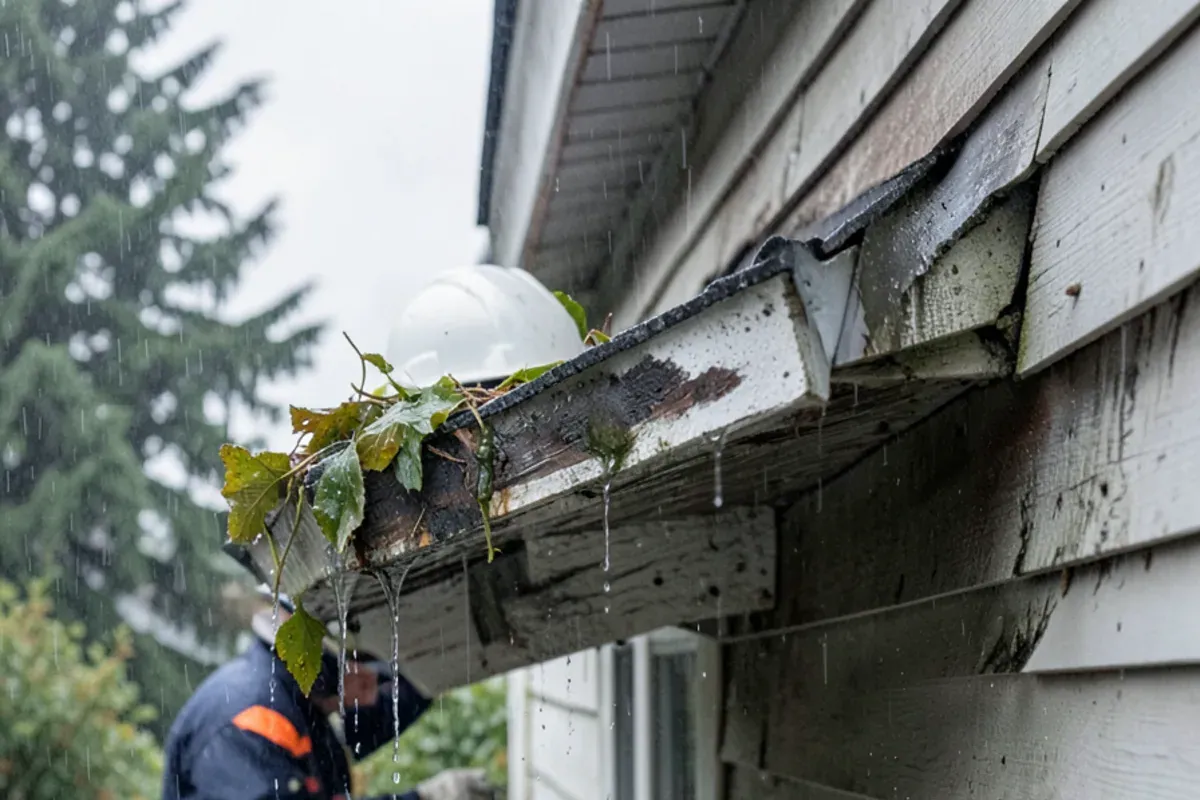
- Gutters that overflow and soak the fascia and eaves
Alameda gets about 22 inches of rain in a typical year, nearly all of it from October to April (BestPlaces). A series of storms packs a large share of that into days, so the roof gets no chance to dry. Once water reaches the decking, the damage spreads quietly until a ceiling stain shows it.
How does wind damage shingles?
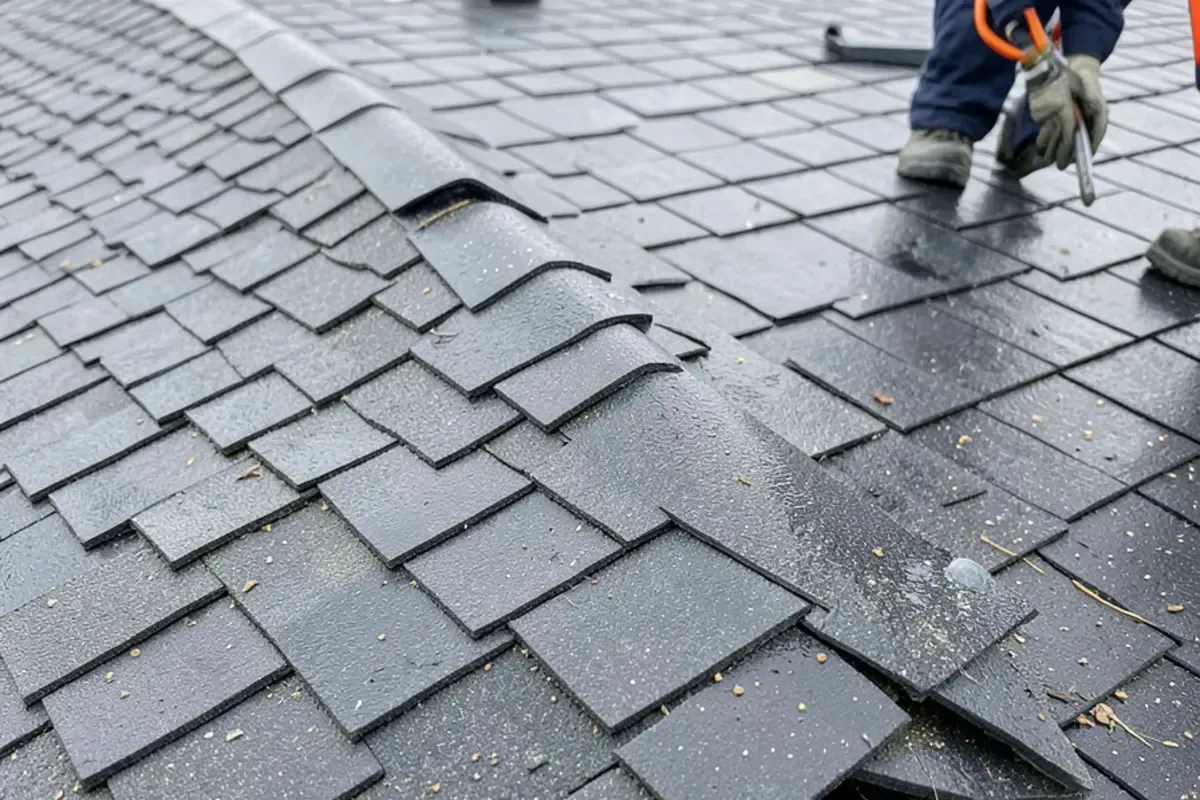
Wind lifts shingles whose sealant strips have aged out, then creases them and tears them off, starting at ridges, hips, edges and corners. Ridge caps and rake edges go first. Lost shingles expose the underlayment, and rain follows. Wind-driven rain also pushes water sideways under shingle courses and past flashing that looks fine in calm weather.
Past Alameda customers describe the sequence. One had a roofer stop by the same day after a windstorm and tarp lost ridge shingles. Another had a roofer come within 24 hours after a windstorm to waterproof. A third had a loose shingle replaced under the workmanship warranty after strong wind. Those are past events, not promises of response time, but they show what a prompt visit usually involves: a look from the roof edge, photos, a tarp or temporary seal and a written scope for the permanent fix.
How to get a roof ready for the rains
Do this in September or early October, before the first storm of the season. The storm damage roofing page explains what a pre-season or post-storm visit covers.
- Clear gutters and downspouts, and run water to confirm they drain.
- Clear leaves and needles from valleys and roof corners.
- Look for missing, lifted or cracked shingles from the ground.
- Check flashing and sealant around chimneys, vents and skylights.
- Trim branches that touch or hang over the roof.
- In the attic, look for daylight, stains and damp insulation on a dry day.
- Photograph the roof's condition for your records.
Do not climb onto a steep or wet roof. If the list turns up something above the gutter line, that is the roofer's job.
What to do after a storm hits
Work from the ground. Photograph shingles on the lawn, visible gaps and any water inside. Move belongings from under a stain, and put a bucket under active drips. Then call for temporary protection and notify your insurer.
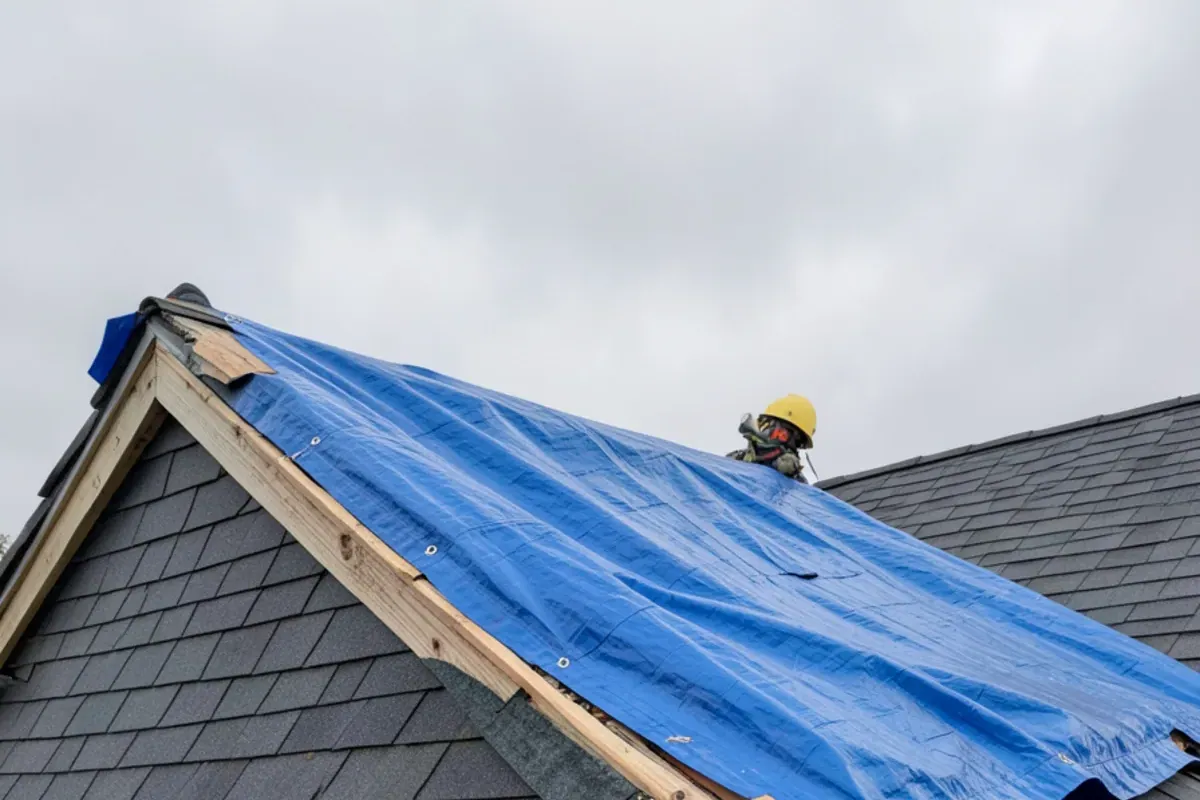
Temporary protection means tarps, sealant or both. It keeps water out until conditions allow the permanent repair. For the repair itself, see wind damage roof repair.
Insurance works differently from roofing. Wear and tear is usually excluded and sudden damage is usually covered, but read your own policy. A roofer can document the damage, write a scope and meet the adjuster on site, as past Alameda customers report. Only the policyholder, the insurer or a licensed public adjuster negotiates a claim. Never let anyone inflate an invoice to absorb a deductible, because that is insurance fraud under California Penal Code section 550.
How strong is the storm? The atmospheric river scale
Scientists at the Center for Western Weather and Water Extremes in San Diego published a five-step atmospheric river scale in 2019. It ranks a storm from AR1 to AR5 using the amount of water vapor moving ashore and how long it lasts, over a 24 to 48 hour window (USGS summary).
| Category | Label | General effect |
|---|---|---|
| AR1 | Weak | Primarily beneficial rain |
| AR2 | Moderate | Mostly beneficial, some hazard |
| AR3 | Strong | A balance of benefit and hazard |
| AR4 | Extreme | Mostly hazardous |
| AR5 | Exceptional | Primarily hazardous |
Duration is built into the scale, which matches how roofs fail. A category 1 storm barely tests a sound roof. A category 3 or 4 stalled over the Bay for two days tests every flashing joint and every gutter outlet.
How does a leak develop over a three-day storm?
A roof that holds on day one can fail on day three, and the sequence is predictable.
- Day one: the surface sheds water, and wind-driven rain finds dried sealant at flashing and exposed nail heads.
- Day two: water works under shingle courses, and the underlayment takes the load. Aged felt lets it through.
- Day three: the deck is saturated, insulation below gets damp, and the stain shows on a ceiling.
That is why a stain after the third day of rain tells you the leak started earlier. A roofer's repair starts above the stain, uphill from it, since water travels along rafters and decking before it drips. Check the attic on a dry day for the staining path, and photograph it for the insurer if you file.
What to keep ready before the next storm
- A flashlight, buckets and a roll of plastic sheeting
- Your insurer's claim number and policy page
- A roofer's phone number saved in your phone
- Dated photos of the roof and ceilings from before the season
- A clear path to the attic hatch
Do not climb to tarp it yourself. A wet, steep roof is the most dangerous place on the house, and a tarp that is not battened down can lift and tear shingles. Our roof insurance claims page explains the documentation, and tree damage roof repair covers storms that bring down limbs.
Which East Bay roofs suffer most?
The oldest ones, and the ones with the most joints. Roof age, a cut-up shape, overhanging trees, low-slope sections and skylights each add a place for water to get in. Houses that already leak a little in ordinary rain are the first to fail in a long storm. We cover Alameda County from our Webster St office in Alameda, and the same storm-readiness list applies across the county, and the rest of the cities are on the service areas page. Alameda itself is on the home page.
Booking a storm check
If the last storm left a stain, a loose shingle or a gutter that spilled, get it checked before the next one. Call or request an estimate and describe what you saw. Photos help. Your written estimate is the number that counts, and any storm repair should be itemized in it.