
Orchard tracts in the middle of a remodel wave
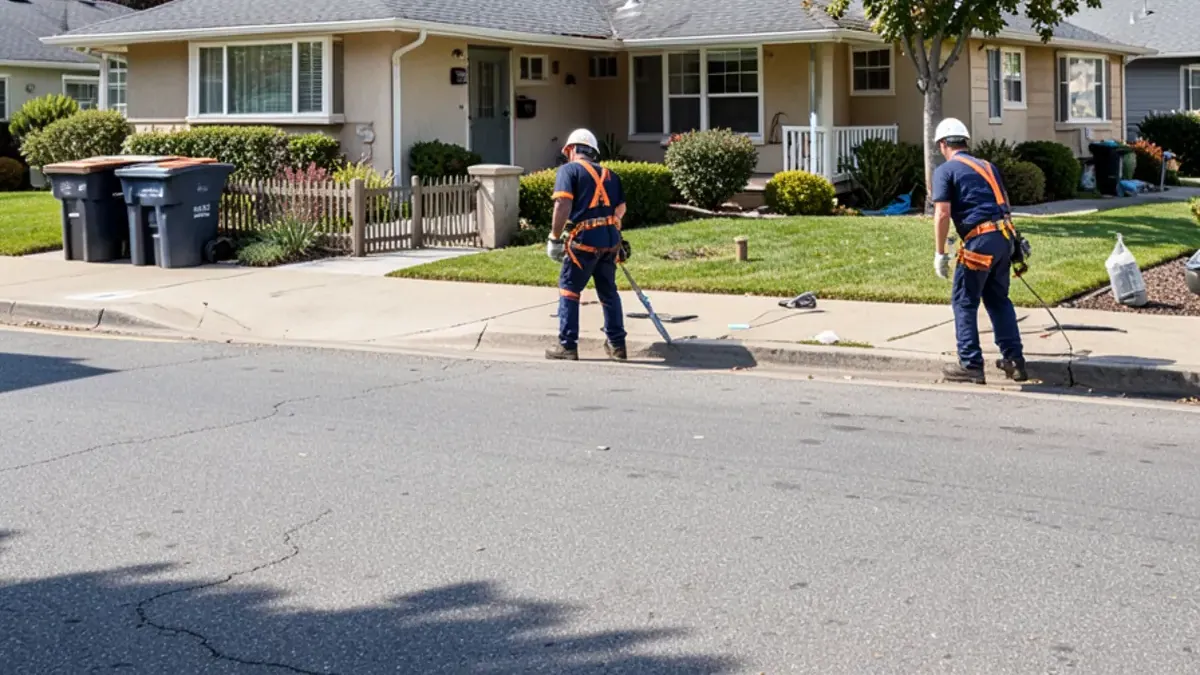
Cupertino's orchards of prunes, apricots and cherries gave way to housing in the post-war decades (Wikipedia, Cupertino). Homes from the 1960s are now being updated, which puts roofs on the table at the same time as kitchens. If framing, skylights or solar are changing, the roof has to be sequenced with that work.
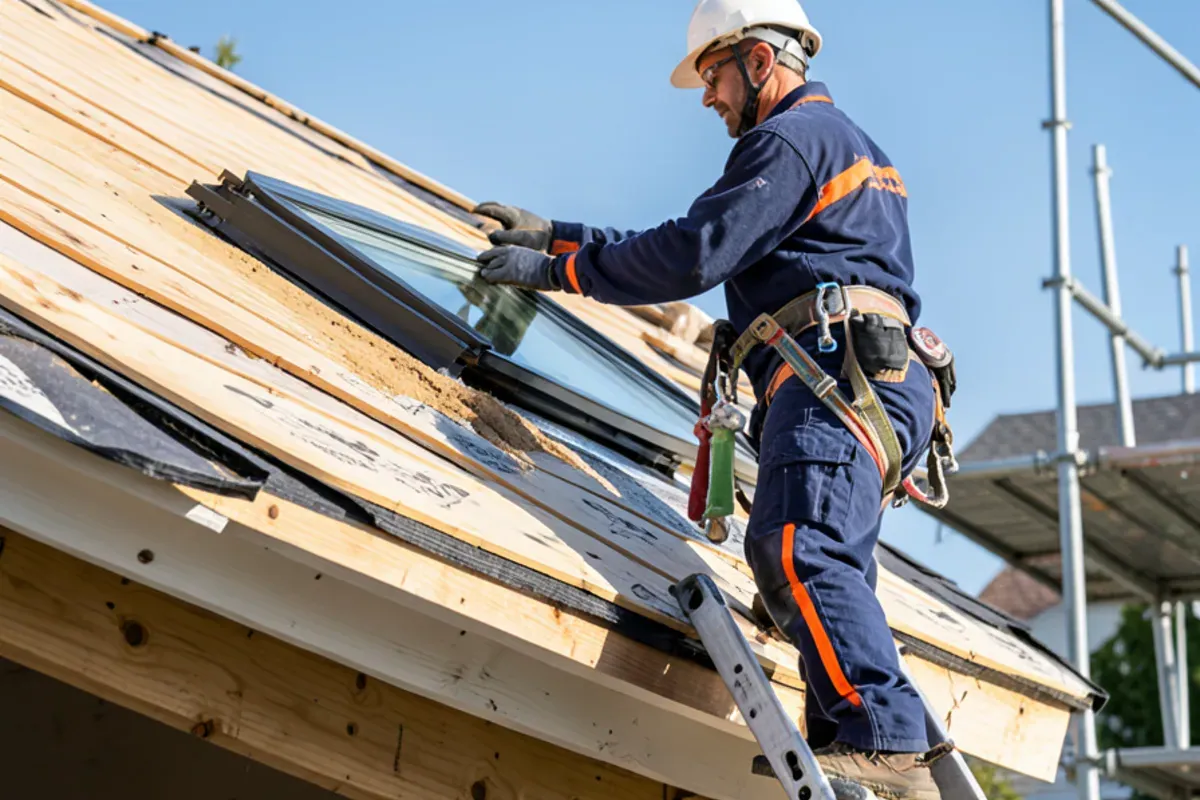
Your contractor or designer sets the order. Our part is a written estimate for the roof that notes any change orders. Aged decking found at tear-off is the usual surprise on older homes, and we raise it as a change order before anything continues.
Stevens Creek leaves and gutters
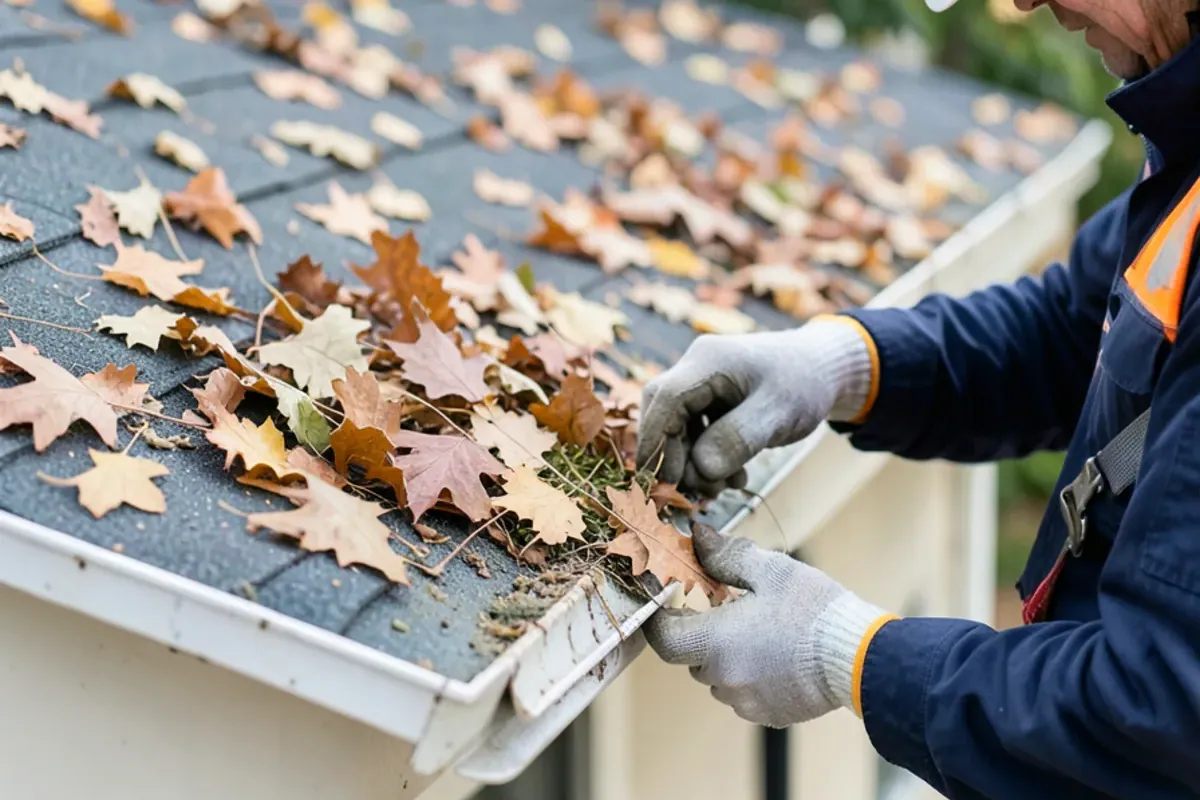
The city is named for Arroyo San Jose de Cupertino, now Stevens Creek, and leaf litter from mature yard trees is the usual gutter problem. Annual rainfall is about 14.5 inches, so gutters that clog still get tested every winter.
Zone 4 and the permit office
Cupertino is in Climate Zone 4. A reroof replacing over half the roof triggers cool-roof product rules, so remodeling plans should include a product check. The City of Cupertino building division handles permits, and the written estimate names who applies for it.
Monta Vista, Fairgrove and the newer streets
Cupertino's neighborhoods come in distinct eras. Monta Vista was the city's first housing tract, and the last part of it was annexed in 2004. Eichler's Fairgrove tract added 229 homes in 1960 and 1961. Seven Springs was developed in the late 1980s, and Oak Valley followed around 2000 (Wikipedia, Cupertino and Eichler Homes).
That spread decides the first question we ask. A 1960s roof may be on its second or third covering and may be low-slope. A late-1980s roof is past three decades. A roof from around 2000 is near the age when a first-generation covering shows curled tabs and dried sealant. De Anza Boulevard, Stevens Creek Boulevard, Interstate 280 and Highway 85 all cross the city, so your address matters when we schedule a visit and estimate the drive.
What we do for Cupertino roofs
- Roof Repair
Remodels often leave patched flashing behind, so we find and fix those joints before they leak, tracing every stain across the roof instead of sealing only the spot you can see.
- Roof Flashing Repair
Where a remodel added a second-story wall, a dormer or a new chimney chase, the new intersections carry new flashing. We check that each one was lapped correctly.
- Roof Replacement
A Zone 4 reroof over half the roof needs a rated cool product, which we settle at estimate time, and the written estimate flags any decking we may find at tear-off.
- Cool Roofs
Steep-slope reroofs in Zone 4 need 0.20 aged reflectance and low-slope ones 0.63, so a remodel with a flat addition may need two different rated products on one house.
- Gutters
Leaves from mature backyard trees clog the gutters of 1960s ranch homes, and a packed run backs water up under the first course of shingles.
- Skylights
Remodels add or move skylights, and resealing the flashing is often better than replacing the unit. We reflash a new opening during the roof job so the curb is dry from day one.
- Roof Inspection
Before a remodel is the time to learn what the roof has left. An inspection with photos tells your designer whether to reroof now or leave it for later.
- Emergency Roof Repair
Tarp advice by phone first. Whether a crew can reach Cupertino quickly, about 57 minutes from Alameda without traffic trouble, depends on the day, and we do not promise a time.
Booking a visit near Apple Park
Call the Alameda office. Wayne or Pedro often does the inspection, and we can coordinate with your remodeler. Because Cupertino is far from Alameda, we group visits to nearby cities. Urgent leak calls are answered by phone first, but arrival depends on crew availability.