

What post-war hills ask of a roof
San Bruno grew after the 1906 earthquake and filled in with tract housing after the war. The streets climb, and the airport sits at the foot of them. Houses that face the gap northwest of the runways catch wind and fog first. Tell us which way your house faces and the year it was built, and we begin with ridge caps, edges and sealant.
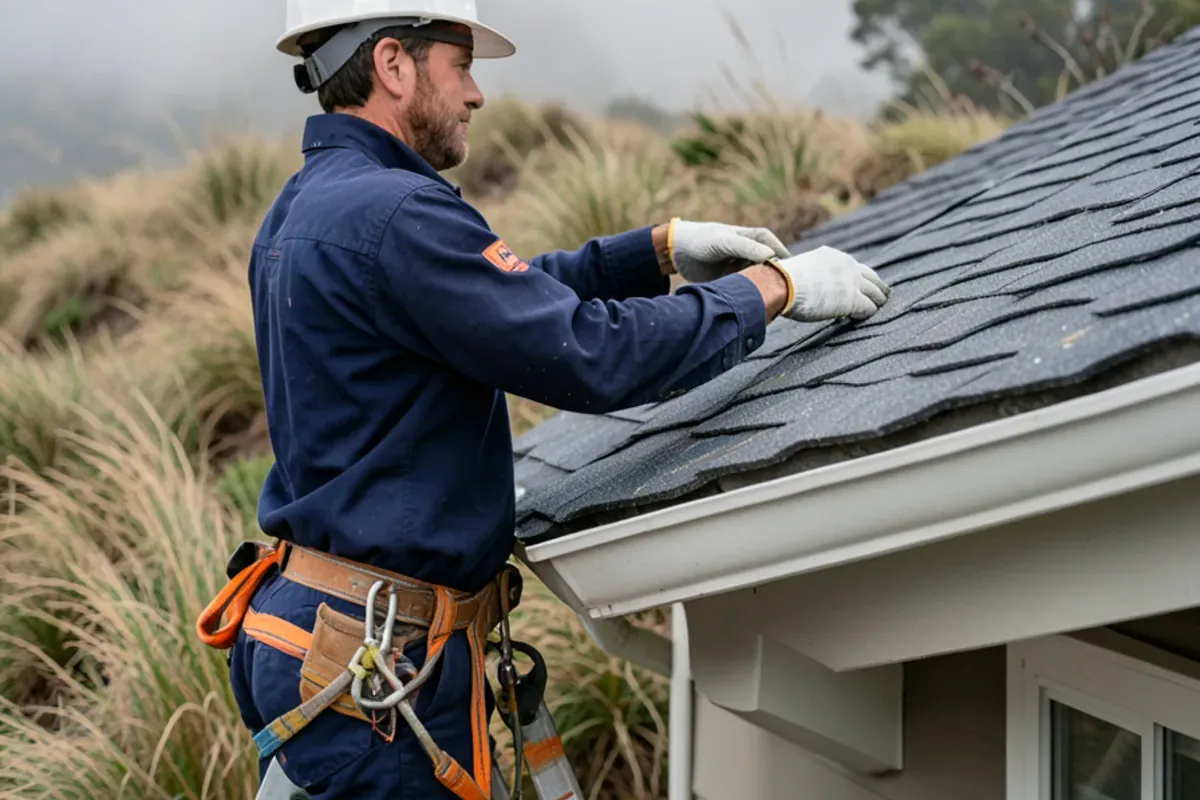
Tract homes of one era usually share a roofing story. Many have been reroofed at least once since, so the layer count is the next question. Two layers means a full tear-off under California Building Code, and a tear-off is when we see the true state of the sheathing.
Fog in the morning, wind in the afternoon
Cool marine air moves through the gap, fog builds overnight and thins by late morning, and afternoon winds push more of it through the gaps. The result is a roof that stays damp in the morning and gets hit by wind in the afternoon. Moss and soft eaves show on the first, lifted shingles on the second.
Roofing services for San Bruno homes
- Roof Repair
Hill-facing roofs take wind from the gap, so repairs focus on lifted edges, ridge caps and sealant. We reset or replace the failed pieces, check the courses around them, and photograph the finished work.
- Roof Replacement
Post-war tract roofs often reach end of life together, and a tear-off shows what damp mornings did to the decking. Soft boards are photographed and priced as a change explained before work continues.
- Gutters
Rolling terrain sends runoff downhill fast, so downspouts and gutter size get a close look. A downspout that dumps at a foundation corner is moved or extended as part of the plan.
- Storm Damage Roofing
Gusts through the gap lift shingles, and we document the damage for your insurer. Dated photos taken before cleanup, plus a written repair scope, give the adjuster a clear record at the on-site walk.
- Emergency Roof Repair
A leak is sealed first, with the bridge crossing time stated plainly. Afternoon wind in the gap can limit what is safe to do on a steep roof, and we say so on the call.
- Roof Inspection
Houses facing the gap and houses sheltered behind a ridge age differently. A photographed inspection logs edges, ridge caps, sealant lines and eaves, so you know which exposure your roof has had.
- Roof Maintenance
Fog in the morning and wind in the afternoon work a roof in two ways. A routine visit checks sealant, clears gutters and finds lifted tabs early, when the fix is a few shingles and not a section.
Water on a slope
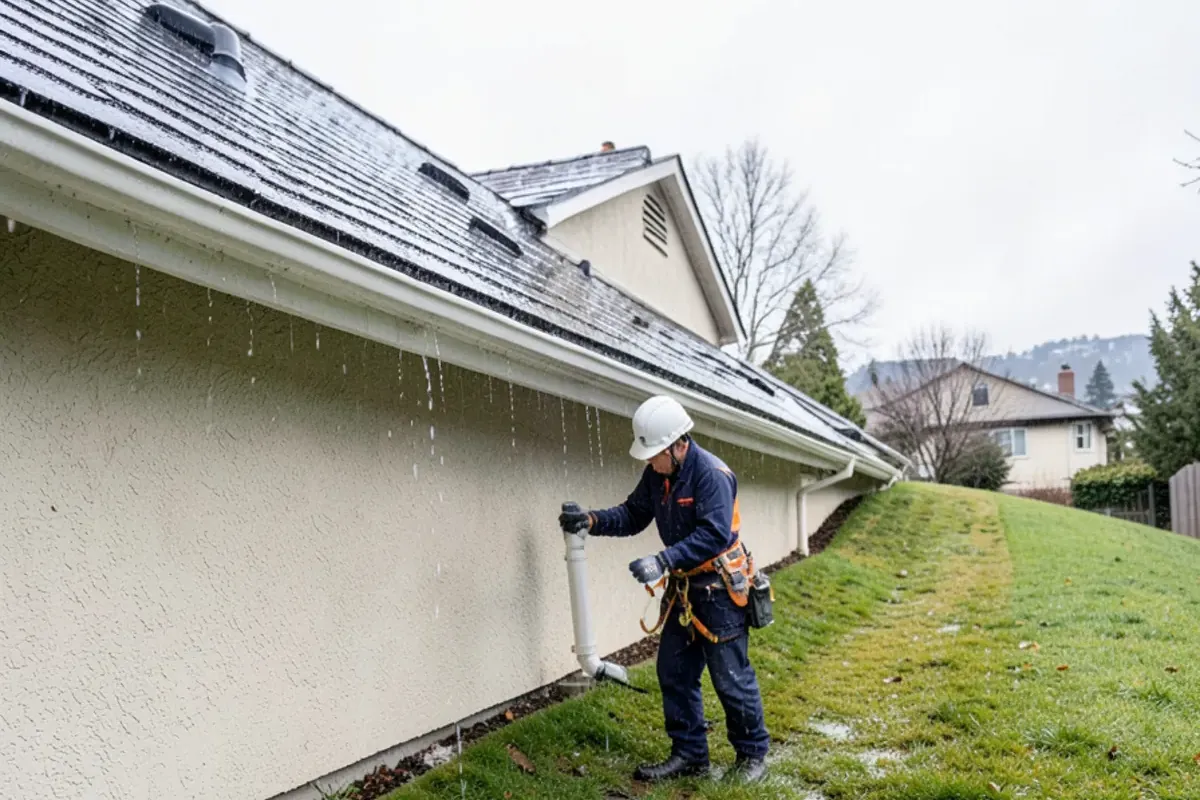
Rolling terrain moves rainwater downhill fast. A gutter that works on flat ground may overflow here, and a downspout dumping at a foundation corner causes its own trouble. We look at gutter size and downspout discharge during the roof inspection.
San Bruno Mountain, the park addition and the age of your street
San Bruno took shape in stages. Settlement grew after the 1906 earthquake, when the San Bruno Park Addition was developed into housing. The town incorporated in 1914 with about 1,400 people, and the 2020 Census counted 43,908 (Wikipedia, San Bruno, California). That history is why one hillside can mix early houses with post-war tract rows.
Roofs follow the same split. Early houses near the oldest streets are more likely to have layered coverings, chimney flashing that has been resealed, and plank decking. Post-war rows tend to share one roof age, and many have been reroofed at least once. Give us the year the house was built and which side of the hill it sits on. That tells us whether to start with layers and chimney flashing or with ridge caps and edge sealant.
Booking and the permit
The City of San Bruno's building department issues roof permits in town, and the estimate names who pulls yours. A person at the Webster St office sets a window, an inspector photographs the roof and a written estimate follows. Millbrae and Pacifica are on the same side of the airport.